
Last updated November 21, 2026
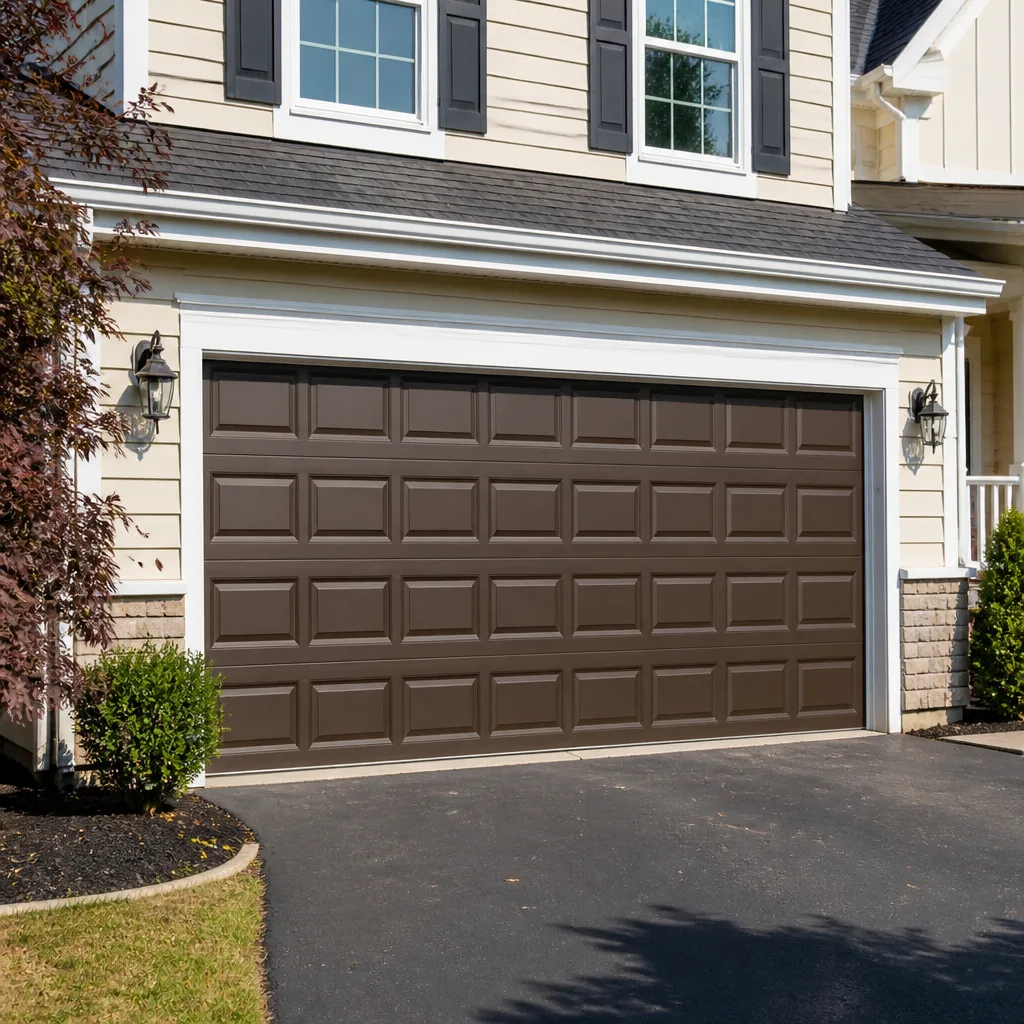 Raised-panel steel
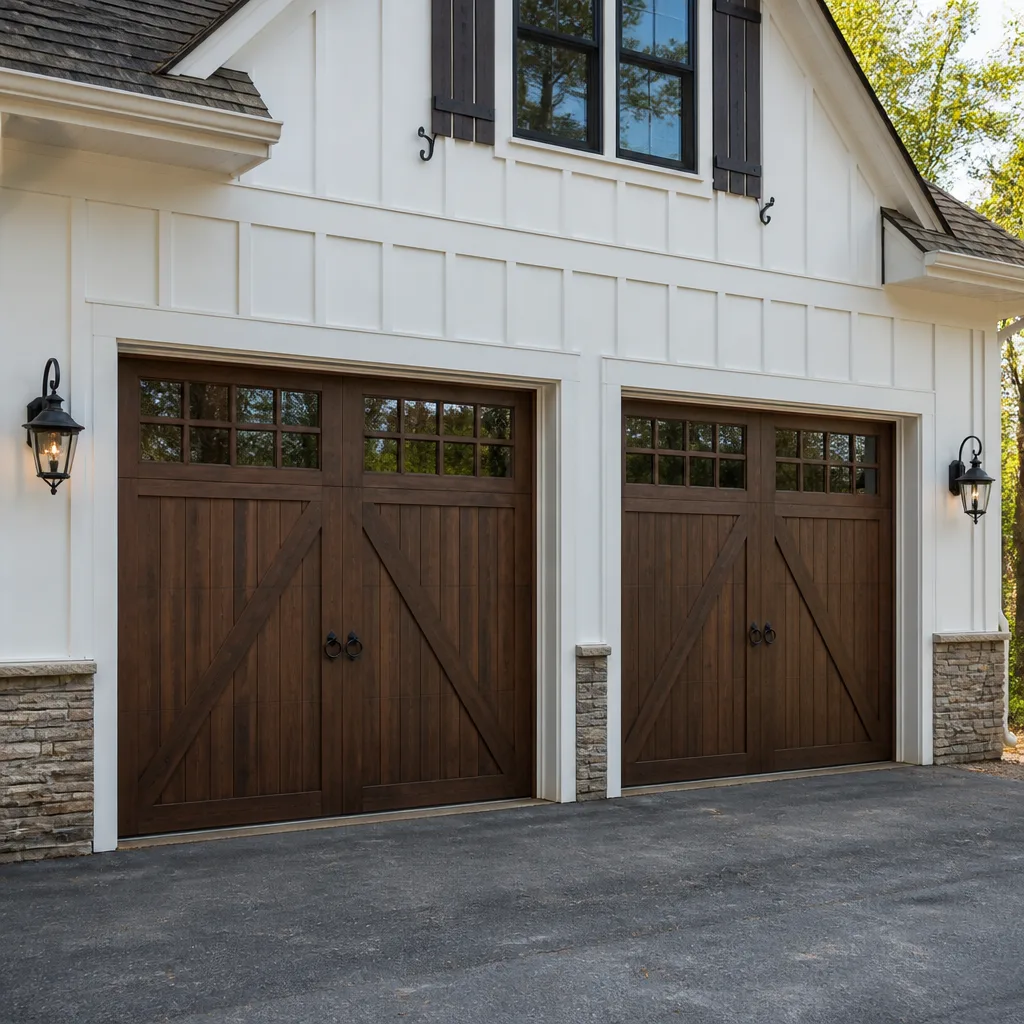 Carriage house
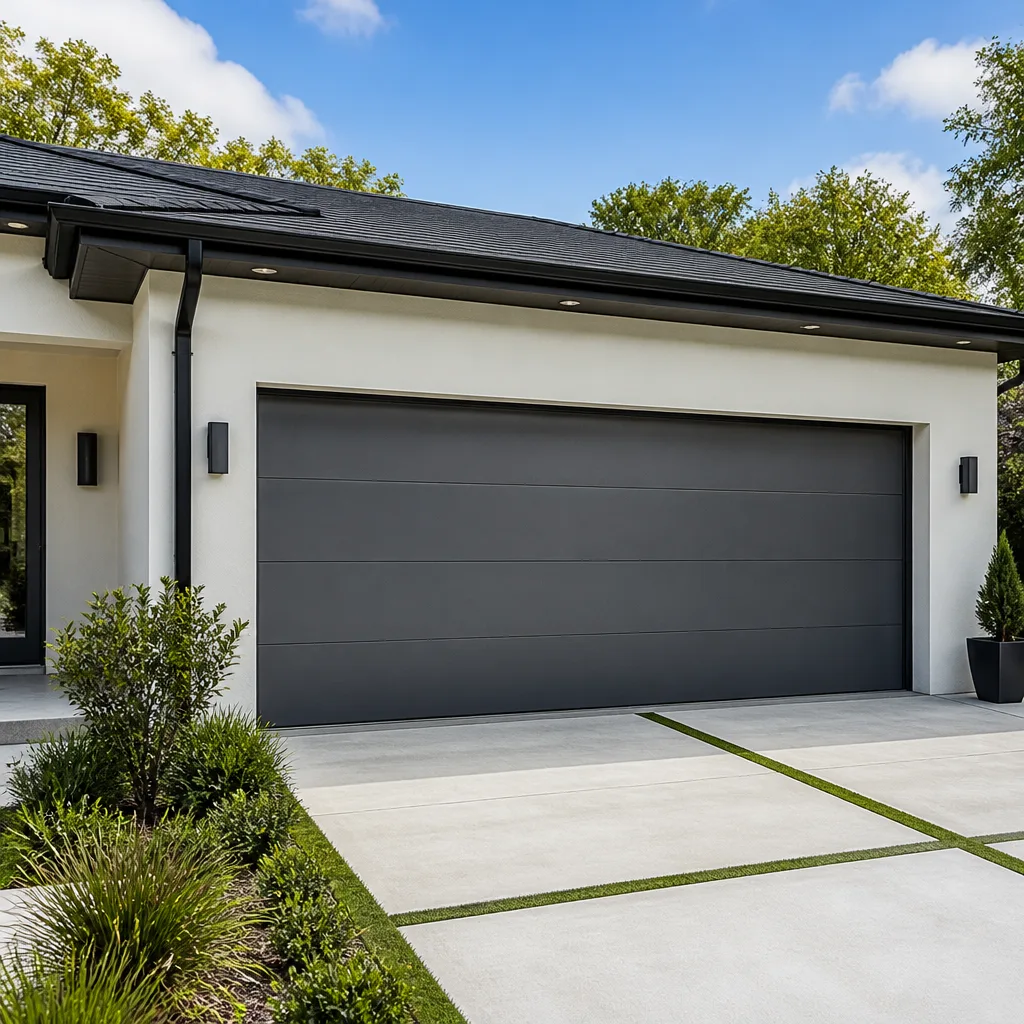 Modern flush
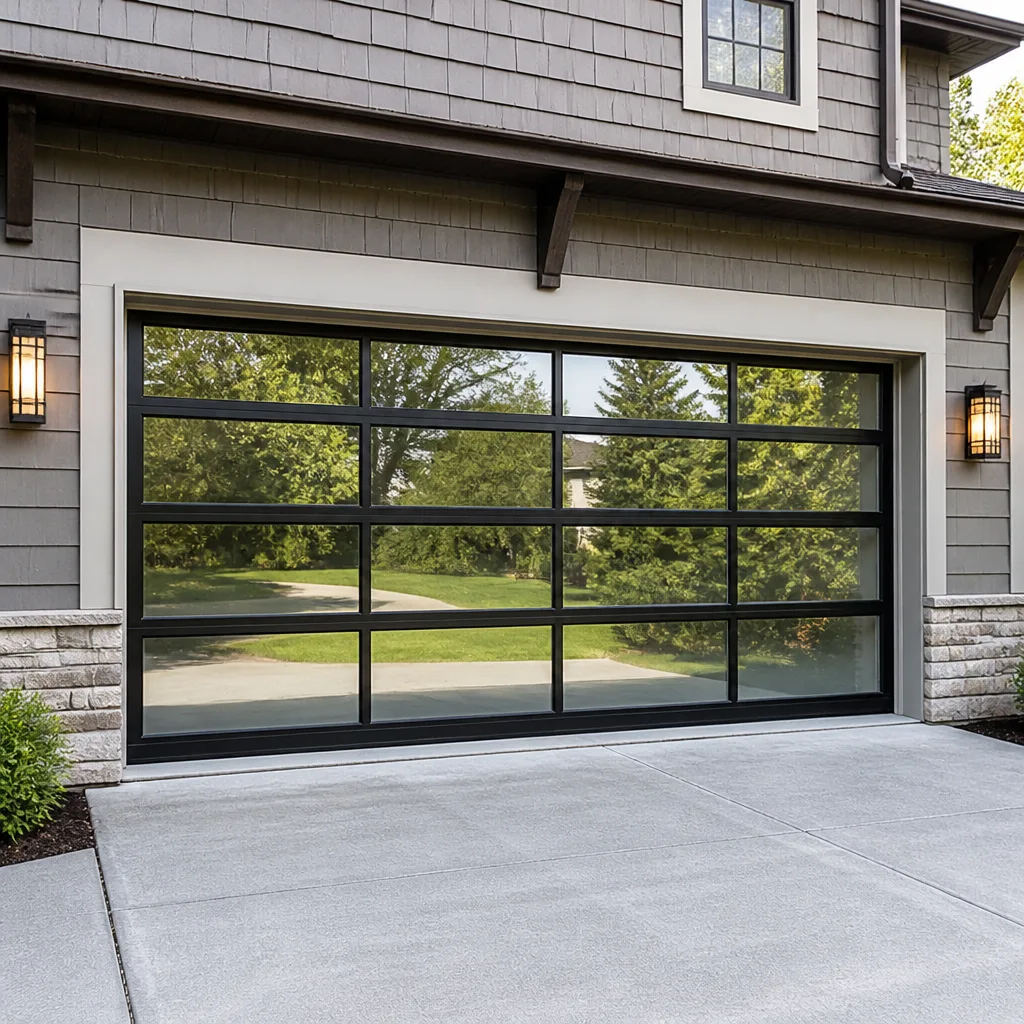 Full-view glass
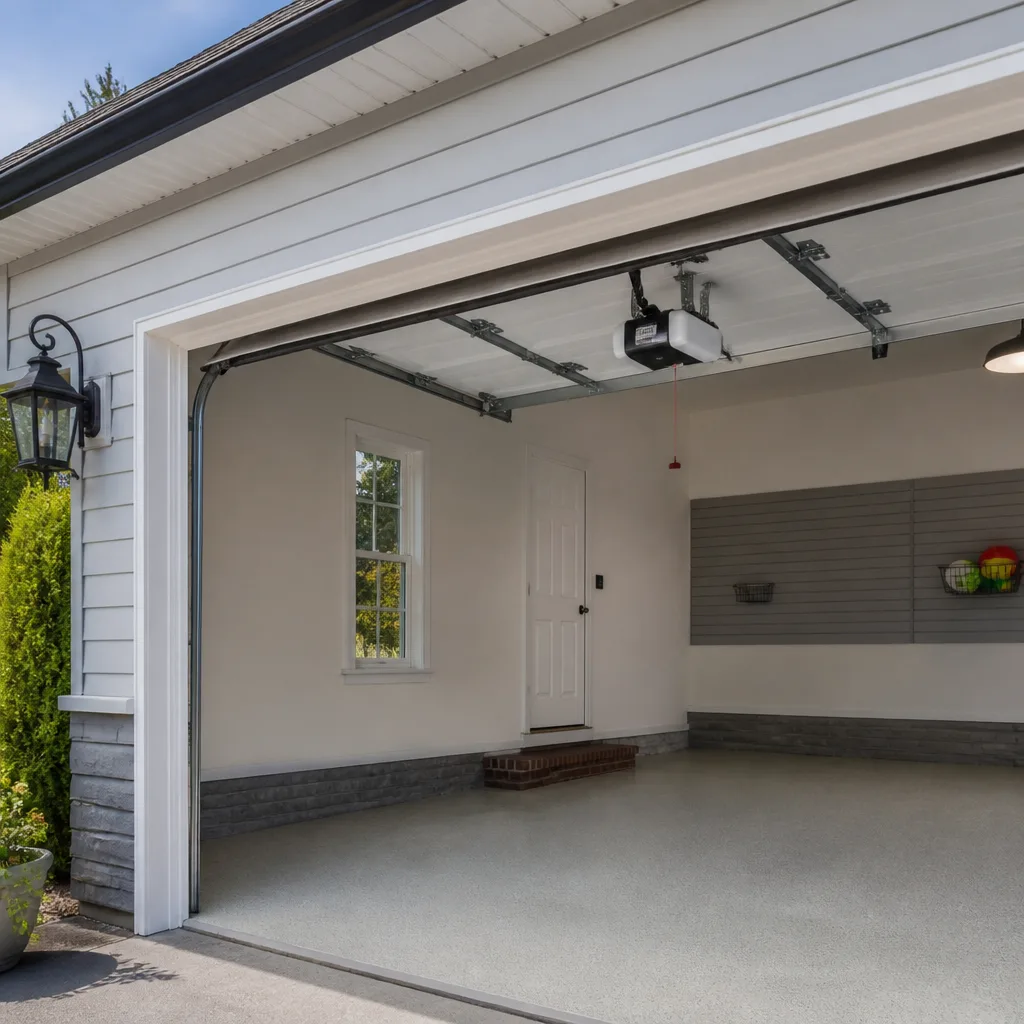 LiftMaster openers
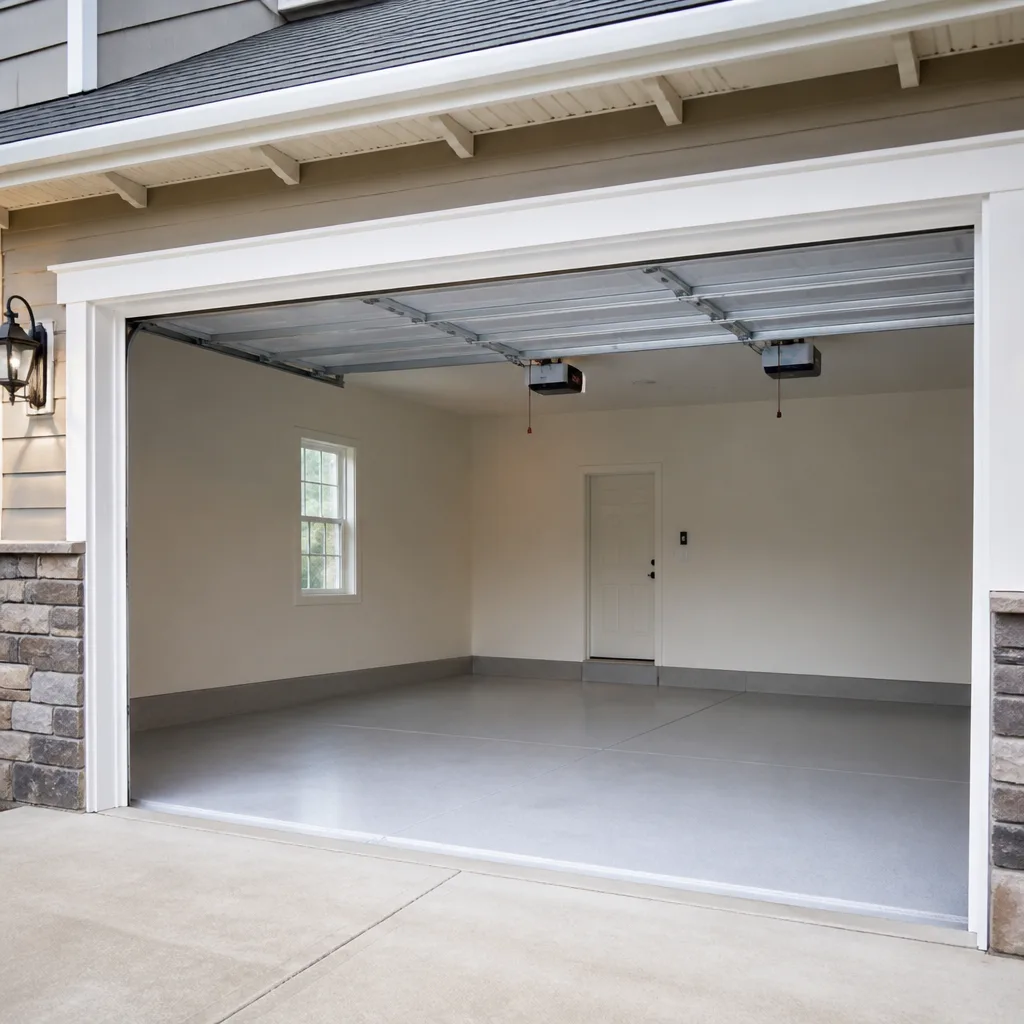 Chamberlain openers
Full 25-point door and opener safety check with every visit - springs, cables, rollers, tracks, and your LiftMaster or Chamberlain opener included
You get a price before we start. It does not change when the pro arrives.
Get your free estimateThe Complete Guide to Garage Doors in Cambridge
Most Cambridge garages were built long before the sectional door became standard, and that single fact shapes nearly every decision a homeowner here has to make. The opening is often a few inches off from anything a manufacturer prints in a catalog. Headroom is tight. Side clearance is tighter. A door that fits a suburban two-car garage in Framingham may not physically fit the carriage house behind a triple-decker off Cambridgeport. This guide starts with those constraints, not with a showroom catalog. We’ll walk through how to measure your opening correctly, which door styles suit Cambridge’s housing stock, how neighborhood overlays affect what you can install, and how to choose an opener for a shallow or cluttered garage.
Quick Answer
Choosing a garage door in Cambridge starts with measuring your opening, headroom, and side clearance, because the city’s pre-war and Victorian-era garages frequently fall outside standard dimensions. Once you know those three numbers, you can pick a style that fits the architecture, confirm whether a neighborhood or historical overlay applies, and match an opener to your garage’s depth and ceiling obstructions. A specialist can measure and quote the whole job in one visit, and the written estimate sets the final price before any work begins.
Styles & brands we work with
- Raised-panel steel
- Carriage house
- Modern flush
- Full-view glass
- LiftMaster openers
- Chamberlain openers
Table of Contents
- Why Cambridge Garages Fight Back Against Standard Doors
- How to Measure Your Cambridge Garage Opening Before You Call Anyone
- Which Door Styles Fit Cambridge’s Housing Stock
- Neighborhood and Historical Overlays: What Applies Where
- Choosing an Opener Brand for a Cambridge Garage
- Alley-Access Garages: Why They Need Different Panels and Openers
- What “Standard Sizing” Really Means in Cambridge
- Keeping a Cambridge Garage Door Working Through the Seasons
Why Cambridge Garages Fight Back Against Standard Doors
The single biggest reason Cambridge garage door projects go sideways is that the garage was never designed around a modern sectional door. Many of the city’s garages date to the era of swing-out carriage doors, which needed a wide, flat opening and almost no ceiling clearance. When those openings were later fitted with sectional doors, the conversion often left awkward geometry behind: low headroom, shallow side room, and a ceiling that slopes or is broken up by framing.
What this means in practice is that a “standard” door and track system, the kind sold online and installed by general contractors, may be genuinely impossible to fit without major structural work. Low-headroom track exists as a solution, but it still has minimum requirements. If your garage ceiling is unusually low or your opening sits under a structural beam, you may need a track configuration that most installers won’t stock or won’t suggest because they don’t work with it often.
The dimensions that matter most are:
- Headroom: the distance from the top of the opening to the ceiling. Standard track needs roughly 12 inches; low-headroom track needs less, but there’s a floor below which nothing standard works.
- Side room: the distance from the opening edge to the nearest wall or obstruction. Torsion springs and track brackets live in this space.
- Back room: the depth from the opening to the back wall. This sets how far the door travels and where the opener mounts.
- Opening width and height: measured at the finished opening, not the rough frame.
In our experience across Cambridge, the garages that cause the most trouble are the ones attached to older Victorians and the deep-lot carriage houses in neighborhoods like Mid-Cambridge. They were built to fit a horse and carriage, not a minivan and a sectional door. Getting the geometry right before ordering anything is the whole game.
How to Measure Your Cambridge Garage Opening Before You Call Anyone
Measuring your own opening correctly before you call anyone saves a return trip and rules out options you can’t use. Take measurements at the finished opening, using a tape measure and a level, and write everything down. Do this at three points across each dimension, because older openings are rarely square.
- Width: measure across the opening at the top, middle, and bottom. Record the smallest number. If the three differ by more than a fraction of an inch, note that the opening is out of square.
- Height: measure from the floor to the top of the opening on the left, center, and right. Record the shortest distance, and check whether the floor slopes toward the door.
- Headroom: measure from the top of the opening straight up to the lowest point of the ceiling or any beam, duct, or pipe in the way.
- Side room: measure from each edge of the opening to the nearest wall or obstruction.
- Back room: measure from the opening back to the rear wall of the garage.
- Obstructions: photograph anything hanging from the ceiling, any step or lip at the threshold, and the condition of the framing around the opening.
One Cambridge-specific wrinkle: many garages here sit below grade or at the back of a shared driveway, and the floor pitches toward the door for drainage. If your floor slopes, note it. A door that closes flush on one side and gaps on the other is usually a floor problem, not a door problem, and a good installer accounts for it when sizing the bottom seal.
If any of this feels uncertain, that’s normal. Measuring is the step where a specialist earns their keep, and it’s worth having someone confirm the numbers before you commit to a door. For a full rundown of what a repair visit covers, see our garage door repair page.
Which Door Styles Fit Cambridge’s Housing Stock
Cambridge’s housing stock runs from triple-deckers to Victorians to mid-century brick colonials, and the door that looks right on one looks wrong on another. Style isn’t just aesthetics here; it’s also a practical question of what fits the opening and what the neighborhood will accept.
Carriage-house doors suit the Victorian and Queen Anne homes common in Avon Hill and around Mid-Cambridge. They mimic the swing-out doors these garages originally had, and they work well on narrower openings where a modern flush panel would look out of place. The tradeoff is that carriage-house styles often have more decorative hardware, which needs to be sized to your opening.
Flush steel doors are the workhorse choice for triple-deckers and mid-century colonials. They’re simple, they fit tight openings, and they don’t fight the architecture. On a brick colonial in West Cambridge or a newer build near Alewife, a clean flush panel looks intentional rather than apologetic.
Full-view aluminum doors are a good fit for contemporary renovations and for garage spaces converted into workshops or studios, which is common in Cambridge. They’re also useful where you want light in a garage that otherwise has none.
What ties these together is fit. A carriage-house door on a garage with 9 inches of headroom needs a low-headroom track system, which is possible but changes the installation. A flush steel door on a slightly out-of-square Victorian opening needs careful shimming. Style drives practicality as much as the other way around.
Neighborhood and Historical Overlays: What Applies Where
Cambridge has neighborhood conservation districts and historical commission review in several areas, and that can affect what door you’re allowed to install. If your home sits in a designated district, especially in Avon Hill or parts of Mid-Cambridge, replacing a visible garage door may require review before work begins. The rules vary by district and by whether the door faces a public way.
We can’t tell you what your specific overlay allows, and neither should anyone who hasn’t read the current rules. What we can say is that this is a question to settle before you order a door, not after. A door that arrives on site and turns out to need review is a door that sits in your driveway while you sort out paperwork.
A practical approach:
- Check with the city’s building department and, if applicable, the historical commission before you order. Ask specifically about garage doors and visible-from-street changes.
- If you’re in a conservation district, ask whether a like-for-like replacement is treated differently from a style change.
- Keep any documentation you receive; a written confirmation is worth more than a phone conversation.
- If your garage door faces an alley rather than a street, ask whether the review standard is different.
This is one of those Cambridge details that catches people off guard. A door that would sail through in a suburb can require a conversation with the city here, and it’s better to have that conversation early. For a sense of how we approach installation and measurement, our Cambridge Garage Door Repair Pros page covers the full scope.
Choosing an Opener Brand for a Cambridge Garage
Opener choice in Cambridge comes down to two things: how deep your garage is, and what’s hanging from the ceiling. A belt-drive LiftMaster or Chamberlain unit is a common pick for garages with living space above or beside them, because belt drives run quieter than chain drives. In a triple-decker where the garage sits under a bedroom, that matters. Genie units are a solid fit for shallower garages where a more compact rail assembly helps, and they’re widely installed across the area.
Ceiling obstructions are the deciding factor more often than brand preference. If a duct, beam, or storage rack cuts into the space where the opener rail would run, you may need a different mounting configuration or a jackshaft-style opener that mounts on the wall beside the door instead of overhead. Jackshaft openers are also useful on garages with very low ceilings, because they free up the overhead space entirely.
Brand fluency matters when it’s time to repair or replace. If you already own a LiftMaster, Chamberlain, Genie, Clopay, Amarr, Wayne Dalton, Craftsman, or Raynor system, the right parts and the right diagnostic approach are brand-specific. Your Craftsman opener and your neighbor’s Genie don’t fail the same way, and a generalist who works across every trade won’t know the difference. Garage doors are all we do, which is why we can diagnose a stubborn opener quickly. If yours is acting up, our garage door opener repair page covers the common failure points.
Alley-Access Garages: Why They Need Different Panels and Openers
A large share of Cambridge garages are reached from an alley or a shared driveway rather than a street-facing apron, and that changes the installation in ways that aren’t obvious until you’re standing in the space. Alley access usually means a narrower approach, tighter turning room, and often a door that faces a neighboring wall or fence rather than open sky.
Three things shift:
- Panel configuration: on a narrow alley approach, a door with deep decorative panels can catch on the frame or on a fence post as it travels. Flatter panel profiles are often the safer choice.
- Opener placement: with less clearance in front of the door, the opener and its safety sensors need to be positioned so the beam isn’t blocked by a fence, a parked car, or a gate. Sensor misalignment is a common cause of “the door won’t close” calls in alley-access garages.
- Security: an alley-facing door is out of sight from the street, which makes a solid, well-fitted door and a reliable lock more important. This is also where a properly adjusted opener with a modern rolling-code remote matters.
If your garage opens onto an alley, mention it when you call. The measurement visit will account for the approach, the sensor line, and how the door travels, and that’s information a phone quote can’t capture. It’s the difference between a door that works and a door that works every time.
What “Standard Sizing” Really Means in Cambridge
Online guides assume a standard single-car opening of 8 or 9 feet wide by 7 feet high, and a standard double of 16 by 7. In Cambridge, that assumption is often wrong. Openings here run narrow, sometimes as narrow as 7 feet for a single-car garage, and heights can be under 7 feet in older carriage houses. Width and height can also be out of square by an inch or more, which matters because doors are built to tight tolerances.
Here’s what “standard” actually means when you’re measuring in Cambridge:
- Measure your actual opening, not what you assume it should be. A 7-foot-wide opening is common and does not mean something is wrong with your garage.
- Expect out-of-square. Older openings drift, and a door ordered to the nominal size may not close flush. Note the variance and let the installer account for it.
- Check headroom against track type, not against a single “standard” number. Low-headroom track has real minimums, and an installer who doesn’t work with it often won’t suggest it.
- Confirm back room. A door needs space to travel back along the ceiling, and a shallow garage may need a different track or a jackshaft opener.
- Note the floor. A sloping or uneven floor changes how the bottom seal sits and may need a different threshold treatment.
Getting these numbers right is the difference between a door that fits on the first try and one that needs to be reordered. Our technicians have up to 11 years of experience measuring and fitting non-standard openings, and it’s the kind of thing that’s worth getting right the first time. When a door or its hardware finally gives out, that same experience is what makes garage door spring repair safe and straightforward.
Keeping a Cambridge Garage Door Working Through the Seasons
Cambridge’s freeze-thaw cycle is hard on garage doors. Winter temperature swings expand and contract metal, stress lubricant, and work the seals loose. Spring brings rain and pollen that clog tracks. Summer heat softens seals and can make a noisy door louder. A little seasonal attention goes a long way toward avoiding a call you didn’t plan for.
A simple annual routine:
- Lubricate the moving parts on the door and track with a garage-door-specific lubricant, not household oil, once a year and again after a hard winter.
- Check the balance by disconnecting the opener and lifting the door halfway. If it won’t stay put, the springs need attention.
- Look at the springs for gaps, rust, or sagging, but do not touch them. Torsion springs are under extreme tension and are the most dangerous part of the system. Spring work is a professional job, full stop.
- Clear the tracks of grit and check that the door runs smoothly by hand before you reconnect the opener.
- Test the safety reverse by placing an object in the door’s path and confirming it reverses. If it doesn’t, stop using the opener and call for service.
- Check the weather seal at the bottom and sides, especially after a winter of freeze-thaw.
Do the checks, leave the springs alone. If something looks wrong, that’s a call, not a project. Emergency service matters here: when a spring lets go or a door comes off its track, a car is trapped or the building is left open. We answer 24/7. Fast dispatch from 7am to 7pm, Sunday through Friday.
Common Mistakes to Avoid
- Ordering a door before measuring. Cambridge openings are frequently non-standard, and a door ordered to a catalog size may not fit. Measure first, order second.
- Assuming standard track will work. Low headroom and shallow back room are common here, and standard track won’t fit every garage. Have someone confirm the track type before you buy.
- Touching the springs yourself. Torsion springs are under extreme tension and can cause serious injury. This isn’t a homeowner job, and no guide should tell you it is.
- Skipping the overlay check. If you’re in a conservation district, ordering before checking with the city can leave you with a door you can’t install. Ask early.
- Hiring a generalist for brand-specific work. A LiftMaster and a Genie don’t fail the same way. A specialist who works across the major brands will diagnose the right part the first time.
- Ignoring the floor slope. A sloping garage floor makes a door close unevenly, and it’s easy to blame the door. Note the slope and let the installer account for it.
- Letting a small alignment issue become a big one. A door that’s slightly off-track or a sensor that’s a little misaligned gets worse. Fix it early, before it becomes a trapped car or a bent panel.
See the difference
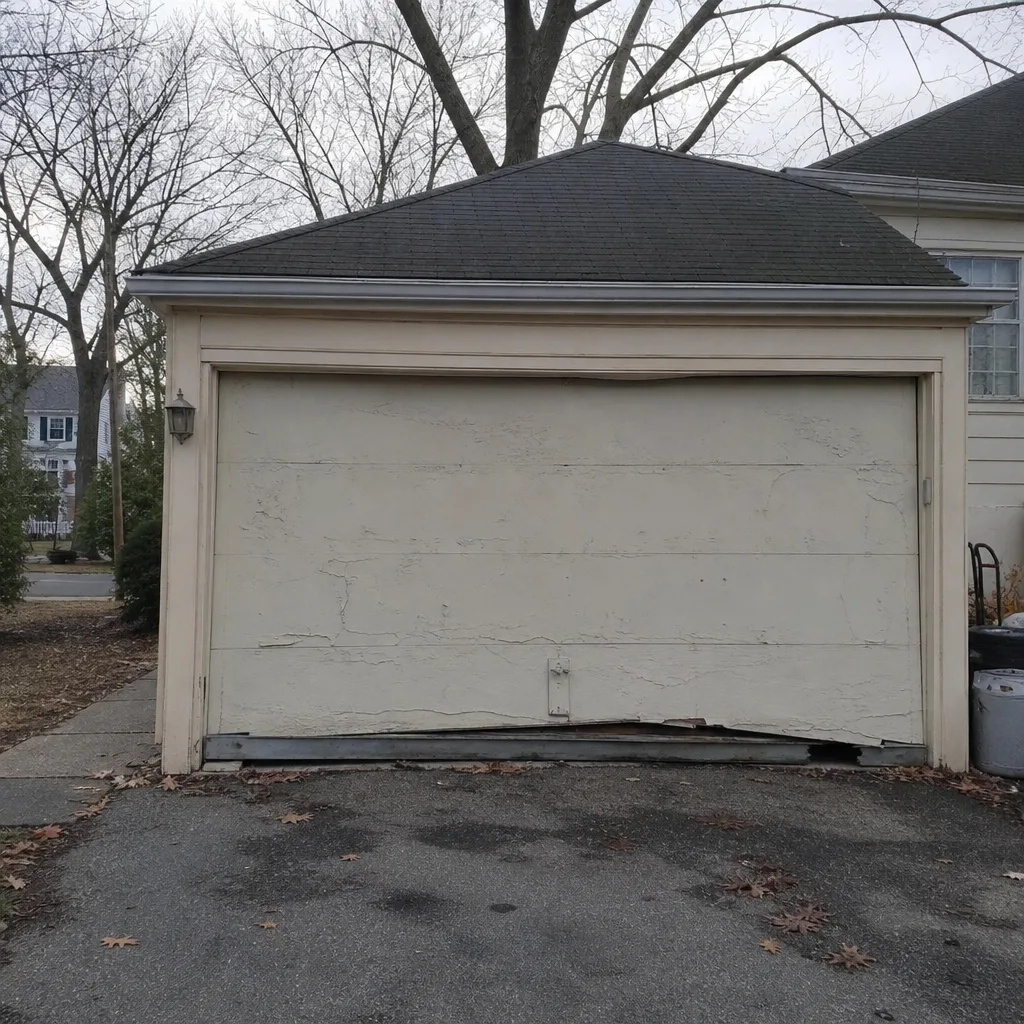 Before
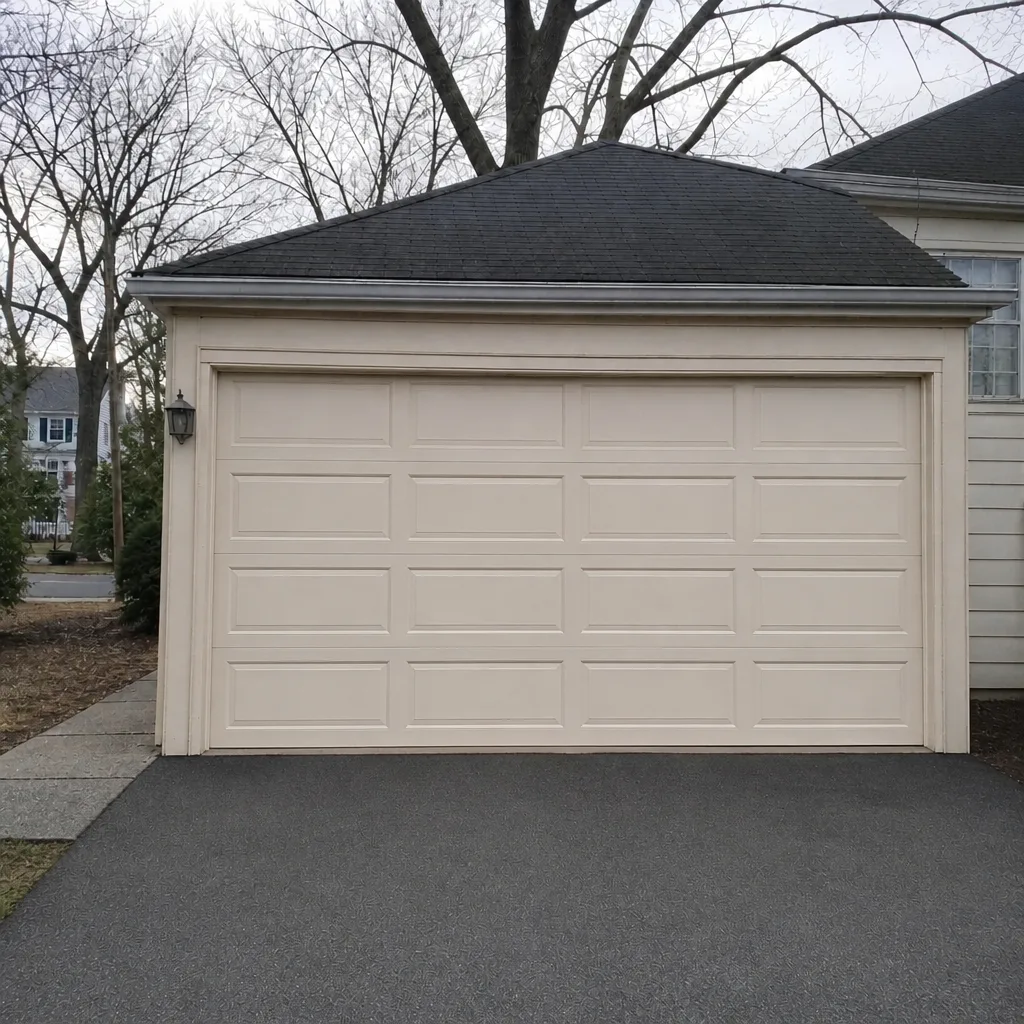 After
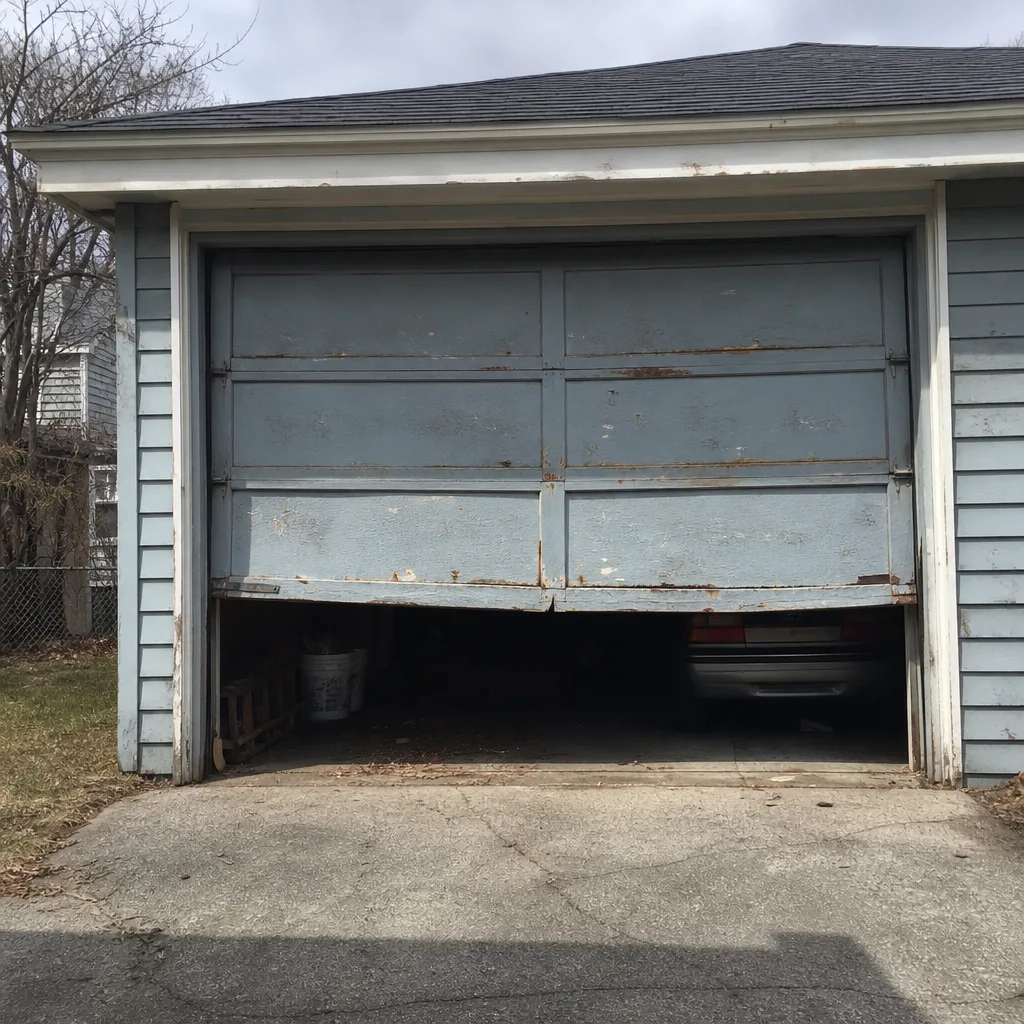 Before
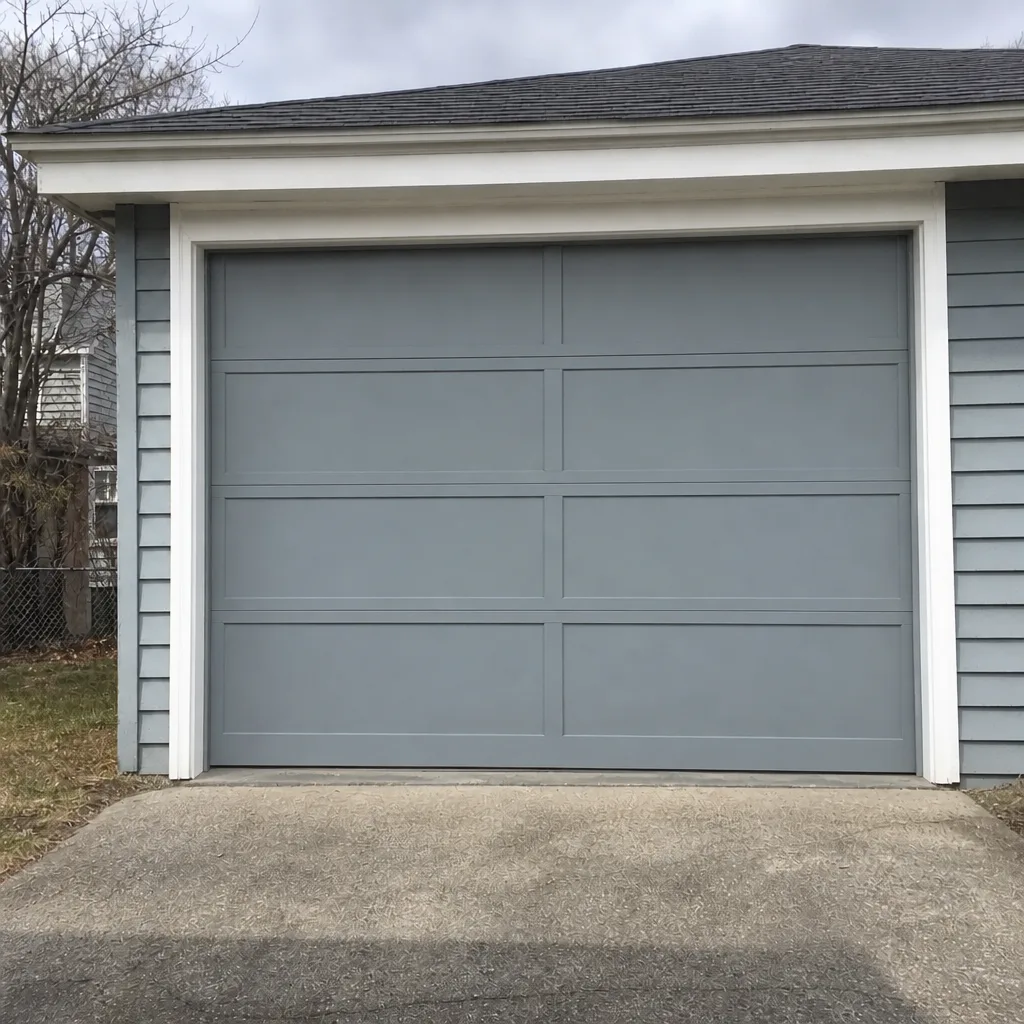 After
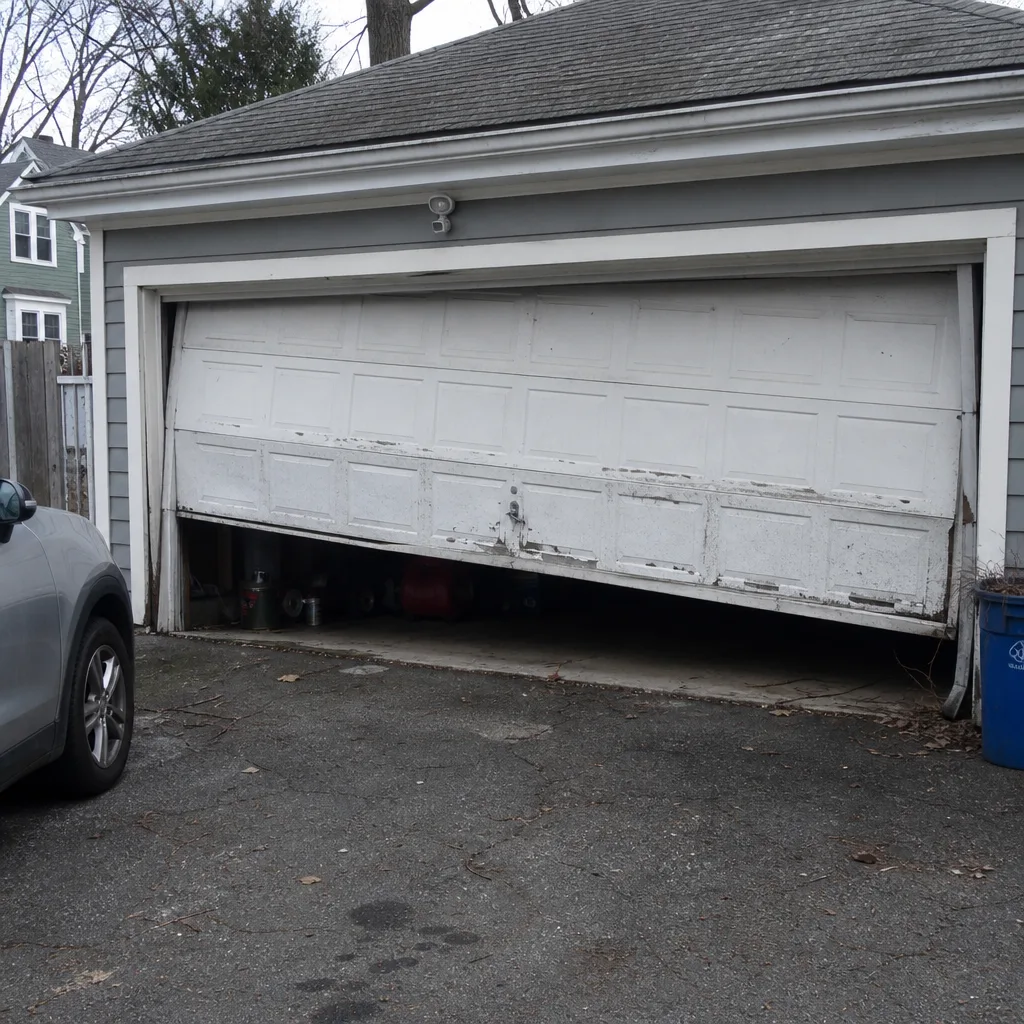 Before
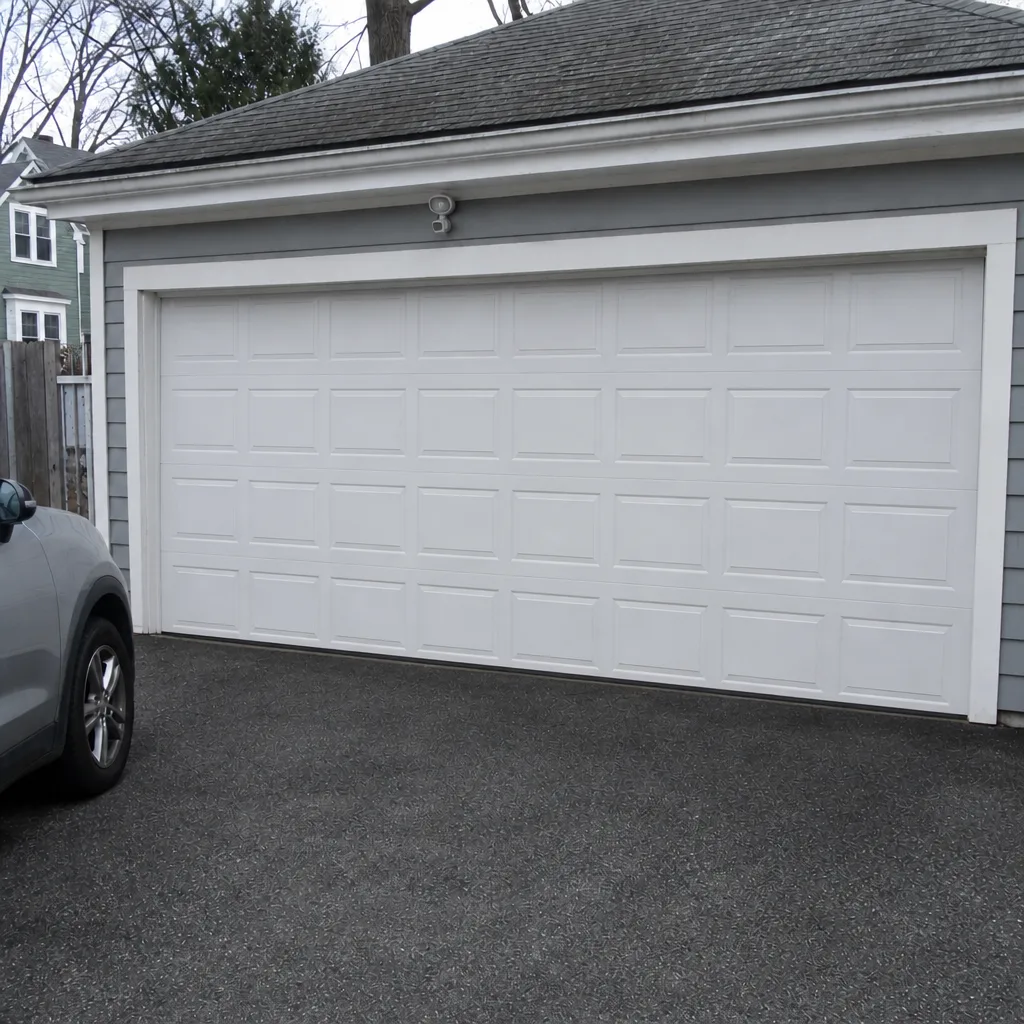 After
When to Call a Professional
Some garage door jobs are a quick fix for a specialist and a real risk for anyone else. Call a professional if the door won’t open or close, if a spring is broken or sagging, if the door is off its track, if the opener runs but the door doesn’t move, or if the safety reverse fails. Those are the situations where a generalist can make things worse, and where brand-specific knowledge saves time and money. Spring work in particular isn’t a DIY job; the tension involved can cause serious injury. Cambridge Garage Door Repair Pros offers free estimates in Cambridge and we answer 24/7. Call (866) 254-2156. Fast dispatch from 7am to 7pm, Sunday through Friday.
Frequently Asked Questions
Most Cambridge garage openings are not standard, because the city’s garages were built before modern sectional doors existed. Measure your opening’s width and height at three points, then check headroom, side room, and back room. If any of those come in under the common minimums, you likely have a non-standard opening and should have a specialist confirm before ordering a door.
We don’t recommend it, especially for spring and track work, which involve extreme tension and real injury risk. Measuring, ordering the right size for a non-standard opening, and setting the track and springs correctly are jobs that go wrong quietly. A free estimate will tell you the total cost up front, and the written price is set before any work begins. Call (866) 254-2156 for an exact quote.
You might, depending on the district and whether the door is visible from a public way. Check with the city’s building department and, if applicable, the historical commission before you order a door. The rules vary by district, and it’s better to confirm early than to have a door arrive that can’t be installed.
Genie units are often a good fit for shallower garages because of their compact rail assembly, while LiftMaster and Chamberlain belt-drive models suit garages with living space above because they run quieter. The right answer depends on your ceiling obstructions and back room, so measure first and let a specialist recommend a configuration.
Check the safety sensors first; a misaligned sensor is the most common cause, especially in alley-access garages where a fence or parked car can block the beam. If the sensors look aligned and the door still won’t close, stop and call for service rather than forcing it. Call (866) 254-2156. We answer 24/7. Fast dispatch from 7am to 7pm, Sunday through Friday.
Repair costs depend on the job, but the price is quoted and agreed before any work starts, so there’s no surprise invoice. We offer free estimates, and the written estimate sets the final price. Call (866) 254-2156 for an exact quote, and estimates are free.
The Bottom Line
Cambridge’s housing stock doesn’t cooperate with standard garage door sizing, and the sooner you treat that as the starting point, the smoother the whole project goes. Measure your opening, headroom, side room, and back room before you order anything. Pick a style that fits both the architecture and the opening. Check whether a conservation overlay applies before you buy. Match your opener to your garage’s depth and ceiling obstructions, and don’t touch the springs yourself. When something breaks, a specialist who knows your brand gets it right the first time. If you’re ready to move, call (866) 254-2156 for a free estimate. We answer 24/7. Fast dispatch from 7am to 7pm, Sunday through Friday.
Written by the team at Cambridge Garage Door Repair Pros.