
Last updated November 21, 2026
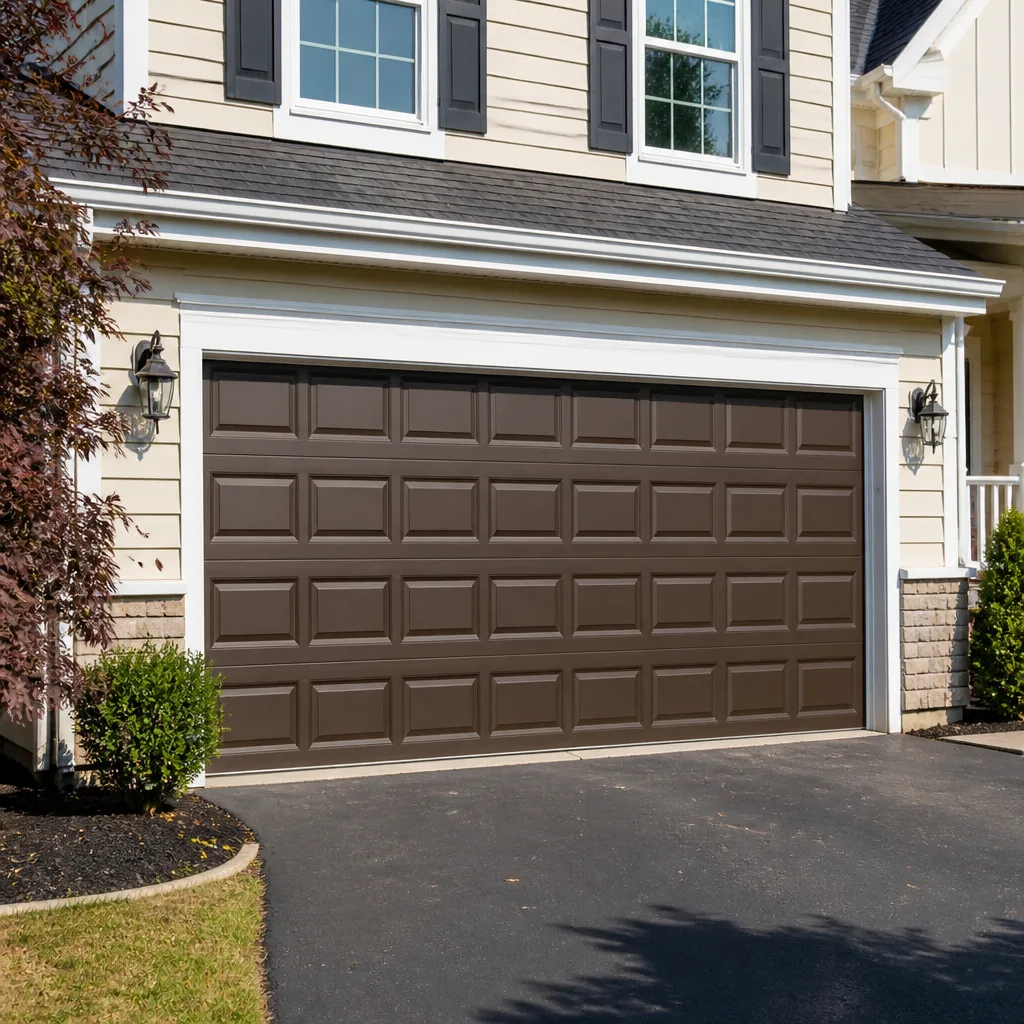 Raised-panel steel
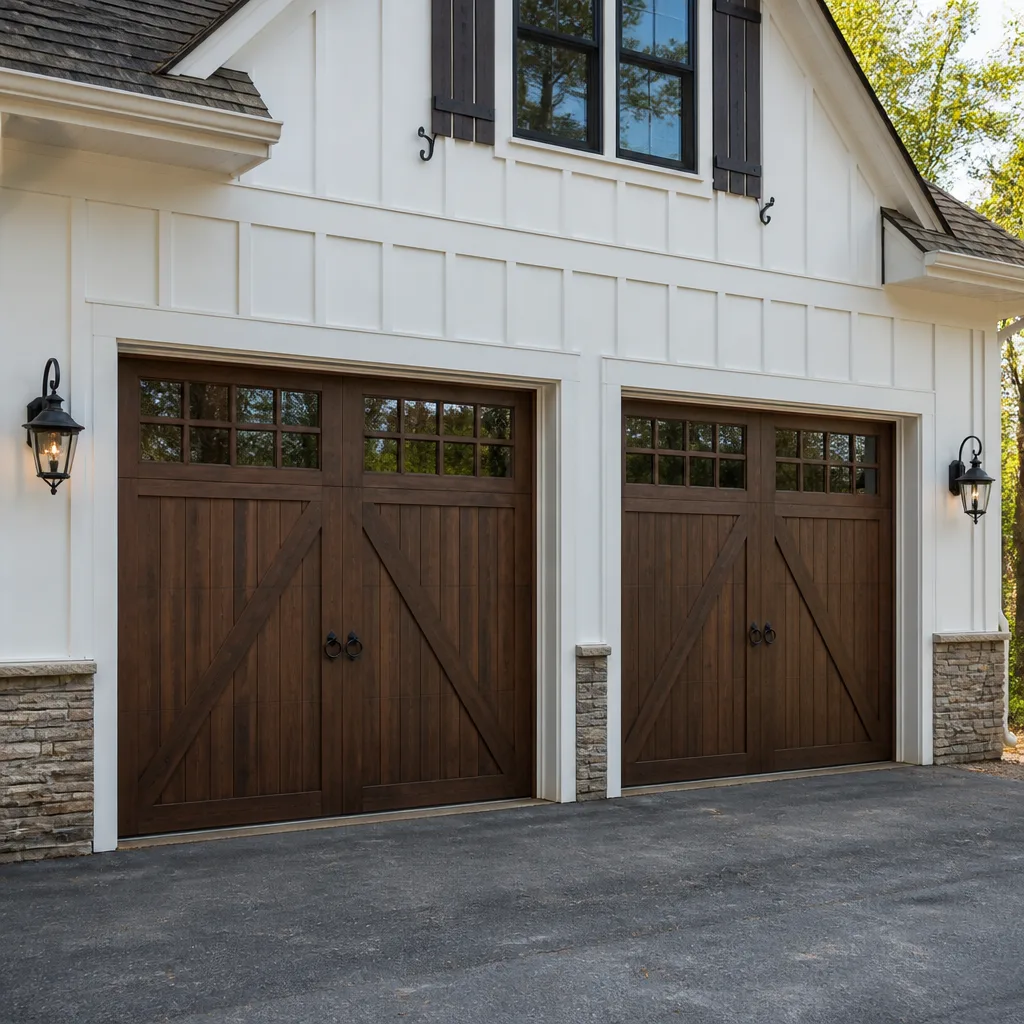 Carriage house
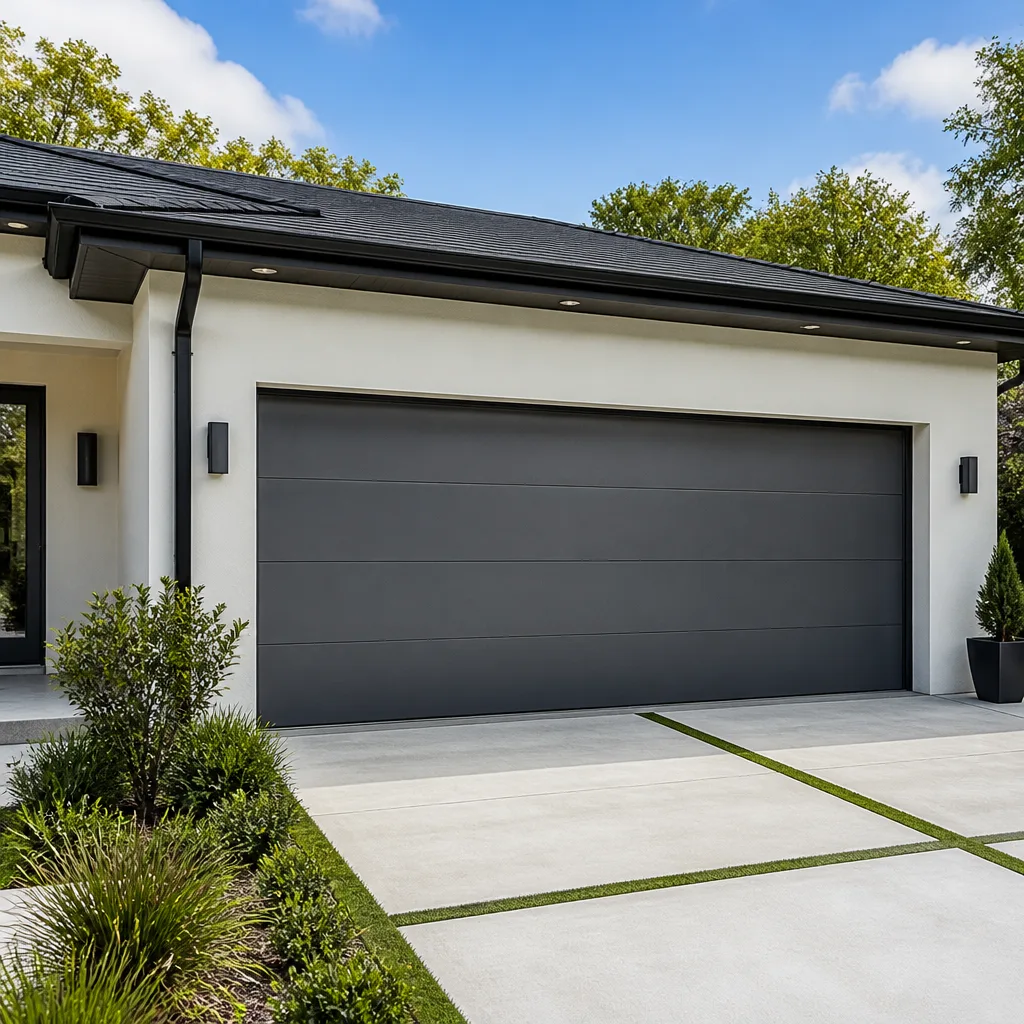 Modern flush
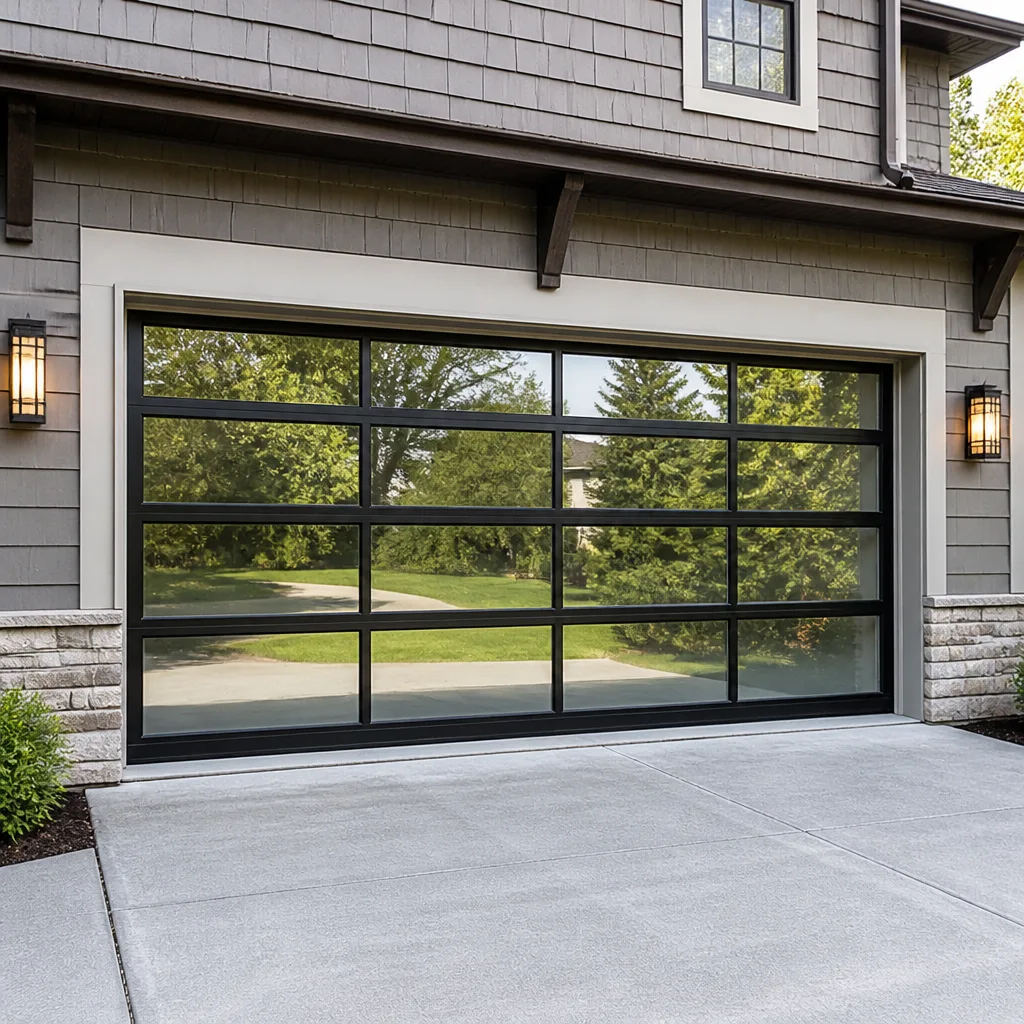 Full-view glass
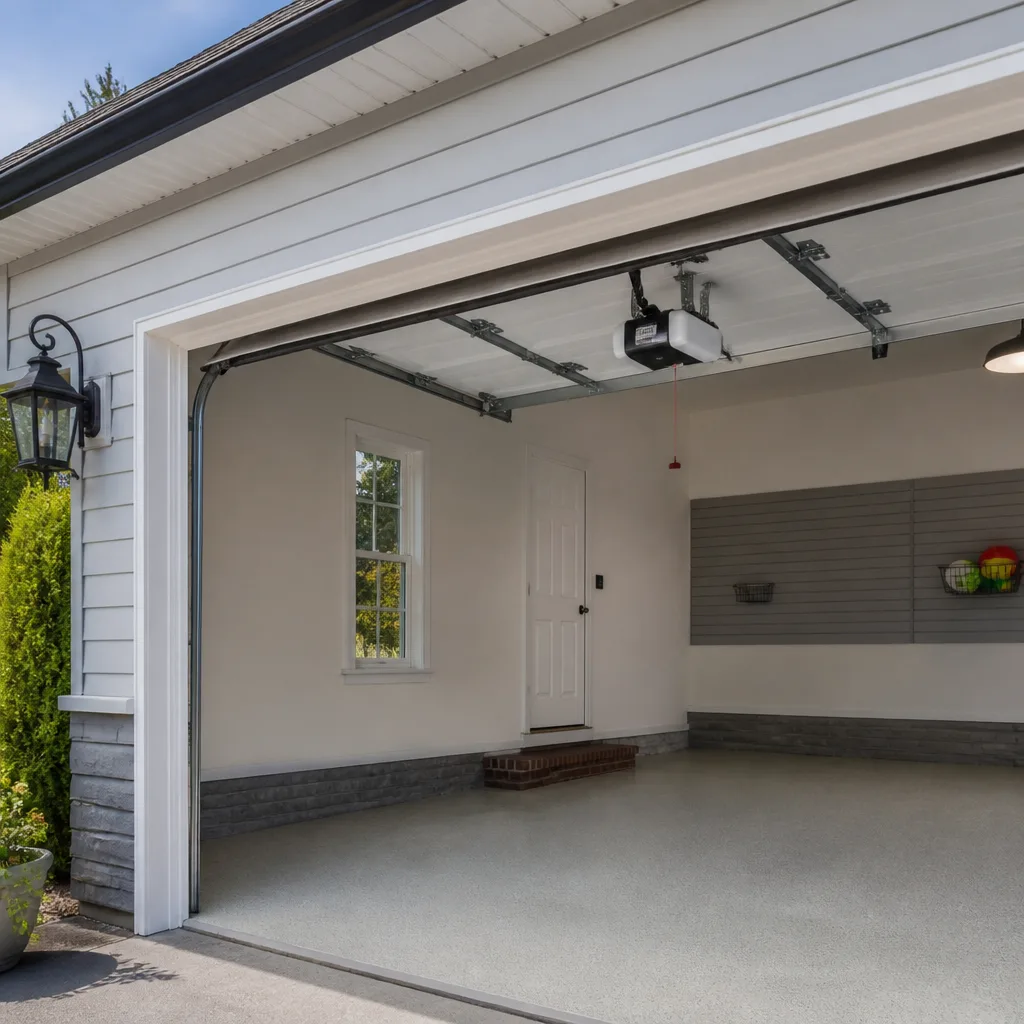 LiftMaster openers
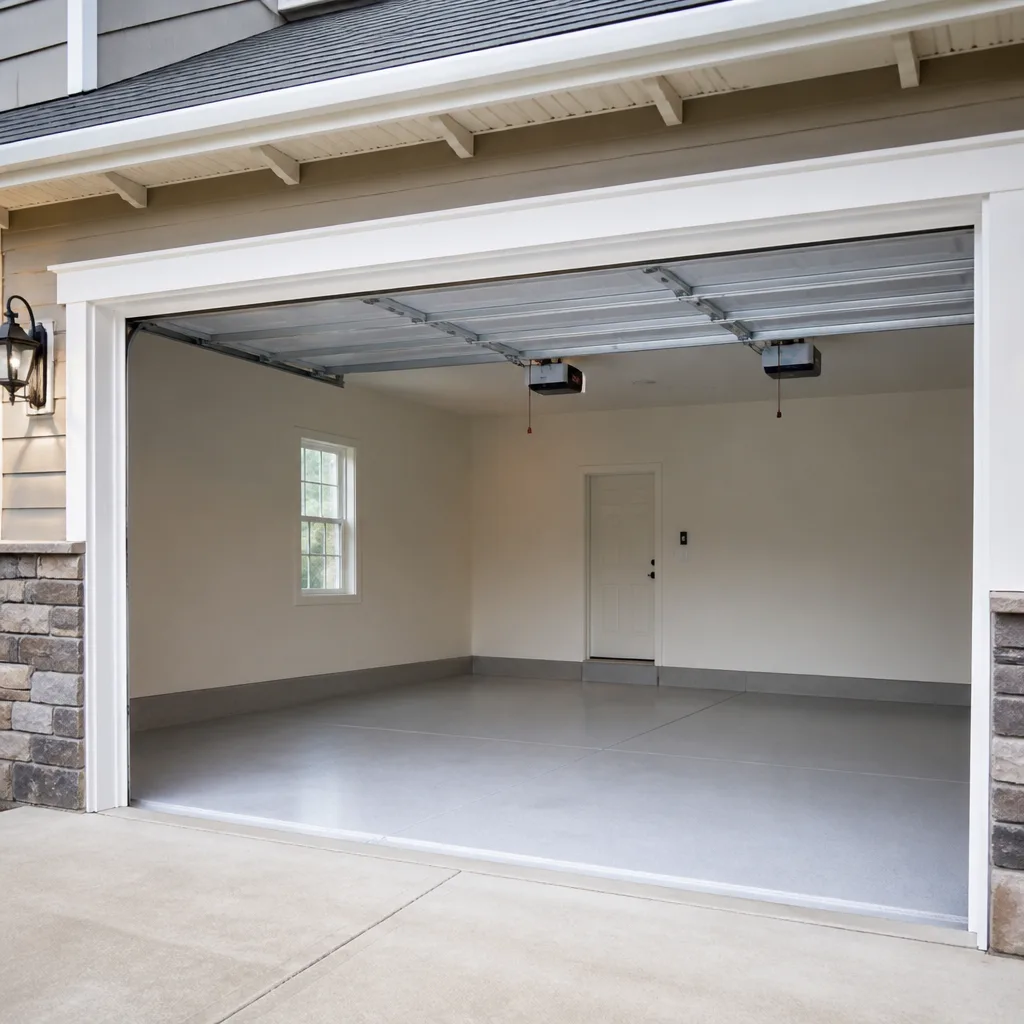 Chamberlain openers
Full 25-point door and opener safety check with every visit - springs, cables, rollers, tracks, and your LiftMaster or Chamberlain opener included
You get a price before we start. It does not change when the pro arrives.
Get your free estimateGarage Door Repair Maintenance Checklist for Cambridge Homeowners
The part that fails most often on a Cambridge garage door in March isn’t the torsion spring. It’s the bottom seal. Road salt rides in on tires all winter, sits against the rubber, and breaks it down faster than most homeowners expect. By the time the door starts lifting unevenly, the seal has usually been gone for weeks. Cambridge weather doesn’t attack garage door hardware randomly. Freeze-thaw cycles, salt migration, and humid summers hit specific components in a predictable order. This checklist is built around that order, not around a generic seasonal calendar. You’ll learn what to inspect, when to inspect it, and what to leave to a specialist.
Quick Answer
A garage door maintenance checklist for Cambridge should follow the local failure sequence: bottom seal and salt-exposed hardware first, then lubrication timed to freeze-thaw cycles, then spring balance testing, then panel and opener inspection. Check the bottom seal and bottom brackets monthly from November through March, lubricate moving parts every season with a cold-rated lubricant, and test spring balance twice a year. Anything involving springs, cables, or electrical opener components belongs with a trained technician.
Styles & brands we work with
- Raised-panel steel
- Carriage house
- Modern flush
- Full-view glass
- LiftMaster openers
- Chamberlain openers
Table of Contents
- Salt-Corrosion Inspection: The Cambridge Winter Protocol
- Lubrication Schedule for a New England Climate
- How to Test Spring Tension Balance Without Tools
- Panel-by-Panel Inspection for Steel Doors
- Opener Maintenance: LiftMaster 8500W and 84501
- The Monthly Five-Minute Walkthrough
- A Season-by-Season Maintenance Calendar
Salt-Corrosion Inspection: The Cambridge Winter Protocol
Road treatment chemicals are the single biggest accelerant of garage door hardware failure in Cambridge. Every time a car pulls in with slush on its tires, that brine drips onto the garage floor and splashes the lowest parts of the door system. Those parts corrode first, and they corrode quietly.
The components that take the hit, in order of exposure:
- Bottom brackets and bottom corner hardware. These sit closest to the floor and catch the most splash. Look for white or green powdery residue on the metal, then pitting underneath it.
- Roller stems. The stems inside the lower rollers collect salt film and start to seize. A seized stem makes the door drag and jump in the track.
- Track hardware and hinges. The bottom two or three hinges and the lower track sections are in the splash zone. Surface rust here is an early warning, not a cosmetic issue.
- Bottom seal and its retainers. Rubber absorbs salt-laden moisture and hardens. Metal retainers rust from the inside edge outward.
Here’s the inspection protocol we recommend for Cambridge garages from November through March:
- Park outside, close the door, and look along the bottom seal for cracks, stiffness, or sections that have pulled away from the retainer.
- Wipe a rag along the bottom bracket on each side. If the rag comes away gritty or rust-stained, salt is accumulating.
- Roll the door up by hand and check each roller stem for free spin. A stem that won’t turn freely needs attention before it damages the track.
- Look at the lower hinges and track for rust bloom. Chalky white or orange residue means the protective finish has broken down.
- Rinse the bottom of the door and the garage floor with plain water after a heavy road-salt week. A rinse is the cheapest corrosion control there is.
If you find rust pitting on brackets or stems, that’s a repair call, not a cleaning task. Corroded hardware can fail under load. Call (866) 254-2156 for a free estimate.
Lubrication Schedule for a New England Climate
Generic advice says “lubricate your garage door twice a year.” In Cambridge, that schedule is wrong. Lubrication here has to be timed to the freeze-thaw cycle, because the wrong lubricant in January is worse than no lubricant at all.
What happens: a light oil or silicone spray applied in October can thin out and migrate in cold weather, leaving hinges and roller bearings dry by February. Grease that’s too heavy can stiffen at sub-freezing temperatures and make the door harder to move. The middle ground is a cold-rated lubricant that stays where you put it without gumming up.
A workable Cambridge schedule:
- Late fall (before the first hard freeze): Apply a cold-rated lubricant to hinge pivots, roller bearings, and the torsion spring coils. Wipe off excess so grit doesn’t stick.
- Mid-winter (January or February): Spot-check the hinges and lower rollers. Reapply only where the lubricant has dried or washed away from salt splash.
- Spring (after the last salt spread): Clean salt residue off the bottom hardware first, then lubricate. Lubricating over salt traps it against the metal.
- Summer: Reapply to hinges and rollers. Humidity in Cambridge summers can thin some lubricants, so check for dry pivots.
What to use: a purpose-made garage door lubricant that’s rated for cold temperatures, applied sparingly. What to avoid: WD-40 as a lubricant (it’s a solvent, not a long-term lubricant), cooking spray, and heavy axle grease in cold months. Never lubricate the track itself; the track should be clean and dry, and lubricant on the track collects grit that wears the rollers. If your hinges are worn or your rollers are noisy after a proper lubrication routine, that’s worth a look from a specialist. Book a free estimate for garage door repair before the problem spreads.
How to Test Spring Tension Balance Without Tools
A spring that’s losing tension doesn’t announce itself. It just makes the opener work harder, and the door gets heavier to lift. The good news: you can test balance without any tools, and it tells you a lot about remaining spring life.
A torsion spring is under extreme tension. The test below is a lift test by hand; touching, adjusting, or removing a spring is a job for a trained technician. Springs can release stored energy violently, and that’s why spring repair is one of the highest-risk garage door jobs out there.
The hand-lift balance test:
- Disconnect the opener by pulling the release handle so the door moves freely.
- Lift the door by hand to about halfway and let go gently.
- A balanced door should hold roughly where you left it, drifting no more than a few inches.
- A door that drops fast, or won’t hold at the halfway point, has lost spring tension.
What the 50% lift test reveals: the halfway point is where spring lift force and door weight are most evenly matched. If the door sags or slams at 50%, the springs aren’t lifting their share. That usually means the springs are nearing the end of their life, or one of a matched pair has already failed. Springs are almost always replaced as a matched pair, because a new spring paired with a worn one will fail prematurely. Reconnect the opener before you use the door again, and if the balance test shows a problem, get it checked before the opener starts straining. Our garage door spring repair specialists can confirm what the lift test is telling you.
Panel-by-Panel Inspection for Steel Doors
Steel doors are the most common choice in Cambridge garages, and the humid summers plus freeze-thaw winters put them through real stress. Panels expand and contract, moisture gets behind seams, and rust starts where you’re not looking. Clopay and Amarr steel doors are built to handle this, but any steel door will pit eventually if seams and bottom edges go unchecked.
Walk the door panel by panel, from the bottom up:
- Bottom panels first. This is where salt splash and standing moisture do their work. Look along the bottom edge and inside the panel seams.
- Panel seams and horizontal joints. Moisture collects in the seam where two panels meet. Run a finger along the seam and check for bubbling paint, which means rust is forming underneath.
- Window frames and inset panels (if your door has them). Glass and frame materials expand at different rates, and the seal between them deteriorates over time.
- Top section. Rain driving against the top of the door and humid air in the garage can pit the upper panels from the inside, where you won’t see it from the driveway.
What rust pitting looks like at each stage:
- Stage one: a dull, chalky patch where the paint has lost its finish. No metal loss yet. Clean and touch up.
- Stage two: bubbling paint and a faint orange tint underneath. Rust is active. Remove the loose material, treat the metal, and repaint.
- Stage three: visible pits, flaking metal, and rust that’s eaten into the panel surface. At this stage, patching may not hold, and replacement of the panel or door is worth discussing.
A Wayne Dalton or Craftsman steel door has the same vulnerability; check the seams and bottom edges by feel, not just by sight, since early rust hides in the joints. Our technicians have up to 11 years of experience spotting corrosion before it becomes a structural problem. Call (866) 254-2156 for a free estimate.
Opener Maintenance: LiftMaster 8500W and 84501
Cambridge garages tend to be tight on headroom and short on overhead space, which is why wall-mount and belt-drive openers are so common here. Two of the most widely installed units in the city are the LiftMaster 8500W (wall-mount) and the LiftMaster 84501 (belt drive). Both are reliable, but each has specific maintenance steps. Knowing your unit means knowing what to check.
LiftMaster 8500W (wall-mount, jackshaft):
- Check that the door’s torsion shaft and the opener’s coupler are clean and free of salt corrosion, since this unit sits low on the wall next to the door hardware.
- Test the battery backup by pressing the opener’s release, then unplugging it from power briefly. The door should still operate. Reconnect afterward.
- Keep the wall-mount unit clear of stored items; it needs airflow, and Cambridge garages are often packed tight.
- Look at the belt or chain tension every season. A loose belt on a wall-mount opener will slip under load.
LiftMaster 84501 (belt drive):
- Check the belt for tension and signs of wear at the rail ends. A belt that’s too loose produces slack when the door changes direction.
- Test the safety reverse: place a small object on the floor under the door’s path and close the door. It should reverse on contact.
- Test the photo-eye sensors: pass an object through the beam and confirm the door reverses. Cambridge’s low winter sun angles can sometimes wash out sensors, so a clean lens matters.
- Listen for strain in the motor housing. A straining belt opener usually means the door is out of balance, not that the opener is failing.
Both units pair with smart-home apps, and a quick check of the app log can reveal whether the opener is working harder than usual. If your opener is a Genie, Chamberlain, Raynor, or another model, the belt and safety-reverse checks still apply; wall-mount units have their own considerations. For anything beyond basic checks, our garage door opener repair team can diagnose the issue without guesswork. Free estimates for any opener repair in Cambridge.
The Monthly Five-Minute Walkthrough
You don’t need to spend an hour on maintenance. Five minutes, once a month, catches nearly everything before it turns into a breakdown. This is the routine we recommend for every Cambridge homeowner.
- Look at the bottom seal. Cracks, stiffness, or separation? Salt has been working on it.
- Test the auto-reverse. Place a small object on the floor; the door should reverse on contact. This is the most important safety test on the list.
- Check the photo-eye sensors. Confirm both lenses are clean and the indicator lights are working.
- Listen to the door. Rattle, squeal, or grinding usually signals a lubrication or roller problem.
- Run the door by hand (disconnected from the opener) and listen for friction in the track.
- Scan the panels for bubbling paint or new rust spots, starting at the bottom.
- Rinse the bottom of the door after heavy road-salt weeks.
Do this on the first of the month or right after a big weather change; Cambridge freeze-thaw cycles can change overnight. If you’re ever unsure about the door’s balance, disconnect the opener, test the lift, then reconnect. When in doubt, leave the door disconnected and call for help rather than risk a door that drops. Cambridge Garage Door Repair Pros handles everything from checks to full repairs.
A Season-by-Season Maintenance Calendar
Timing matters more than frequency. Here’s how we’d structure the year for a Cambridge garage.
- Early fall: Full lubrication before the first freeze, bottom-seal inspection, check opener battery backup, and confirm photo-eye function.
- Late fall: One last salt-prep pass; seal the bottom seam, check brackets for early corrosion, and confirm hinges are moving freely.
- Winter: Monthly salt-corrosion checks, re-lubricate the lower hardware every couple of weeks if the roads are heavily treated, and keep an eye on the bottom seal.
- Spring: Rinse away salt, then lubricate. This is the most important clean-and-lubricate of the year. Check panels for winter rust starting points.
- Summer: Check for humidity-related swelling in wood components (if you have any), test spring balance, and inspect panel seams for bubbling.
- Fall again: Full inspection before winter. Test spring balance, listen for opener strain, and reapply lubricant.
Two spring balance tests per year, four lubrication passes, and monthly safety checks will keep most doors running smoothly. The one thing to check after every big weather swing: the door’s balance. It tells you what’s coming. Cambridge roads get treated heavily, so your garage floor collects a lot of salt, and that salt goes straight to work on steel and rubber. An emergency garage door repair call is worth it when the door won’t move safely.
Common Mistakes to Avoid
- Lubricating over salt. Applying grease on top of salt residue traps the salt against the metal and accelerates corrosion. Clean first, then lubricate.
- Using WD-40 as a long-term lubricant. It dries out and leaves moving parts bare by the time you need them most.
- Lubricating the tracks. A greasy track collects grit and wears rollers faster. Keep tracks clean and dry.
- Skipping the monthly safety-reverse test. It’s the single most important safety check, and it takes seconds.
- Ignoring the bottom seal until water gets in. A failed seal lets in moisture, salt, and pests. Replace it when it starts to stiffen.
- Trying to adjust or replace torsion springs. Springs are under extreme tension and can cause serious injury. Leave spring work to a trained technician.
- Assuming a straining opener is the problem. A door that’s out of balance puts the strain on the opener, but replacing the opener won’t fix a balance problem.
See the difference
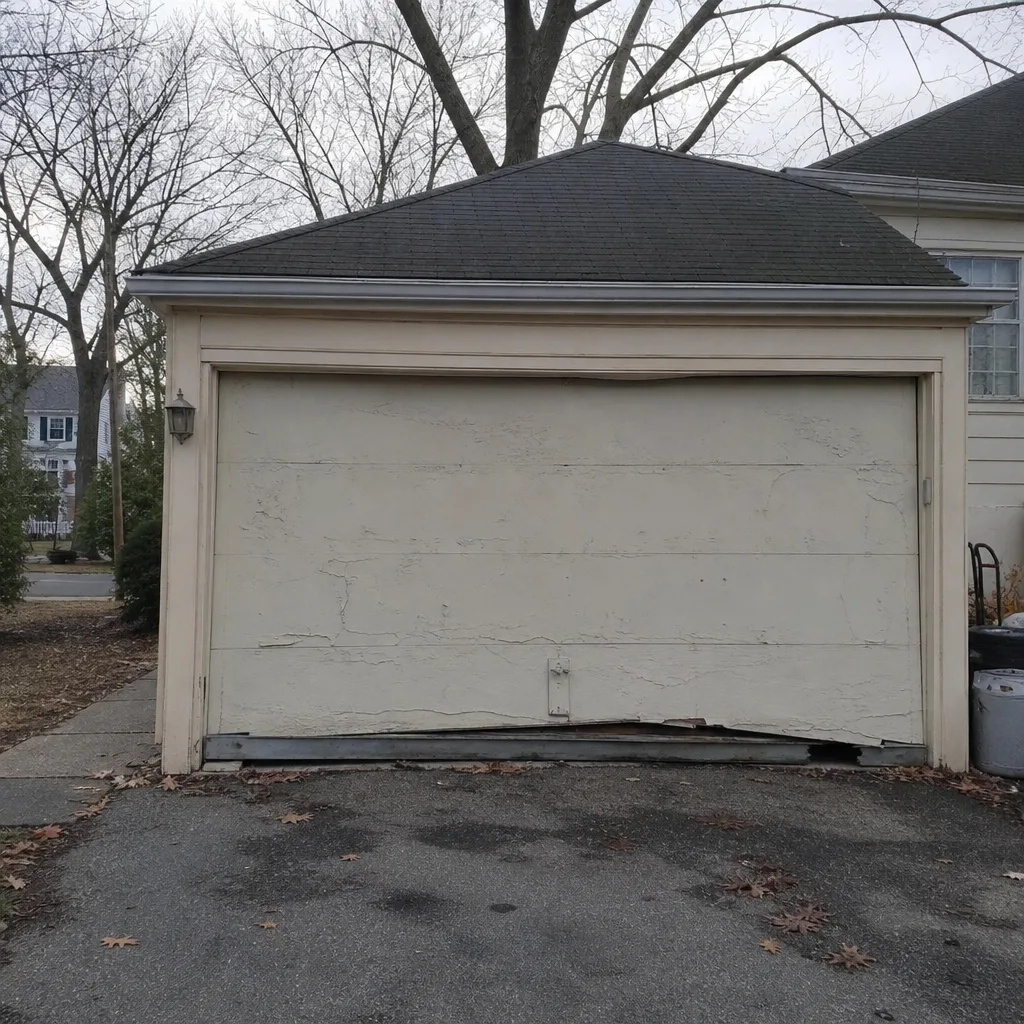 Before
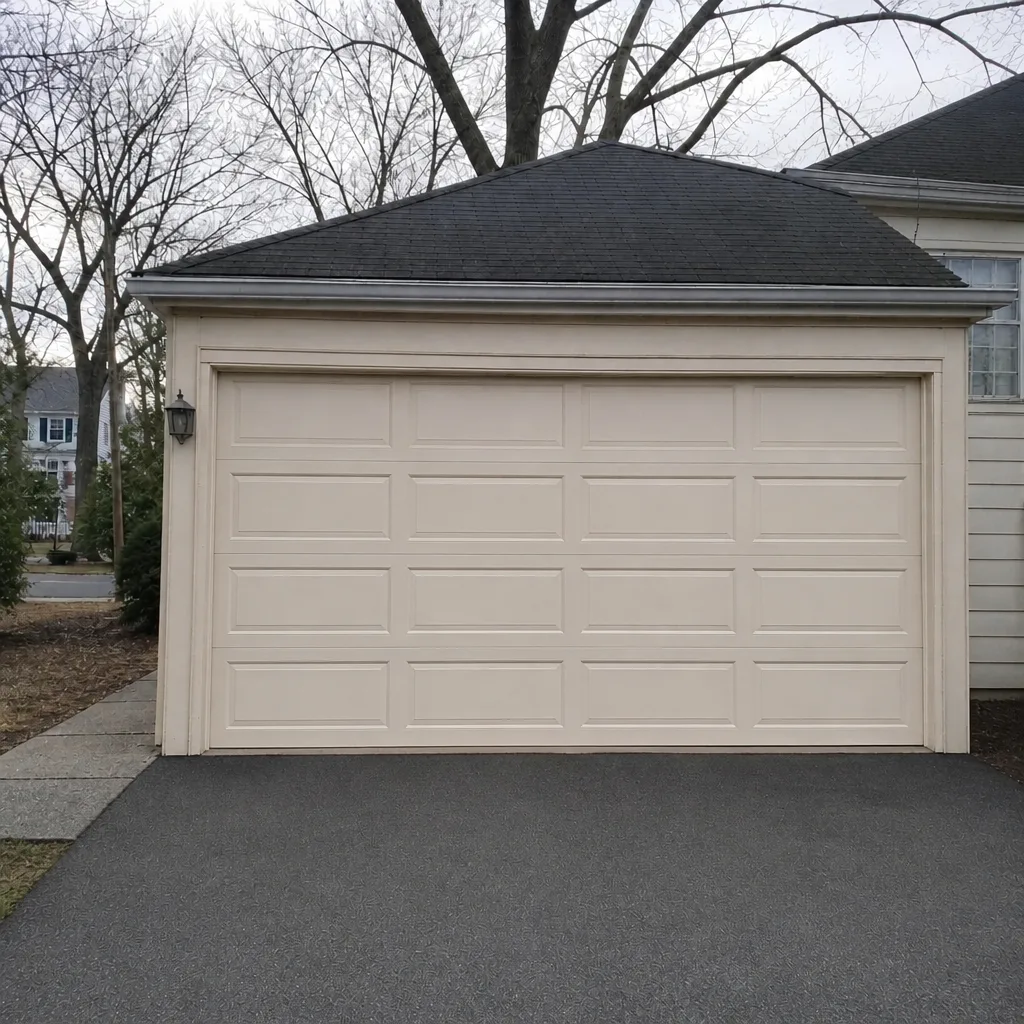 After
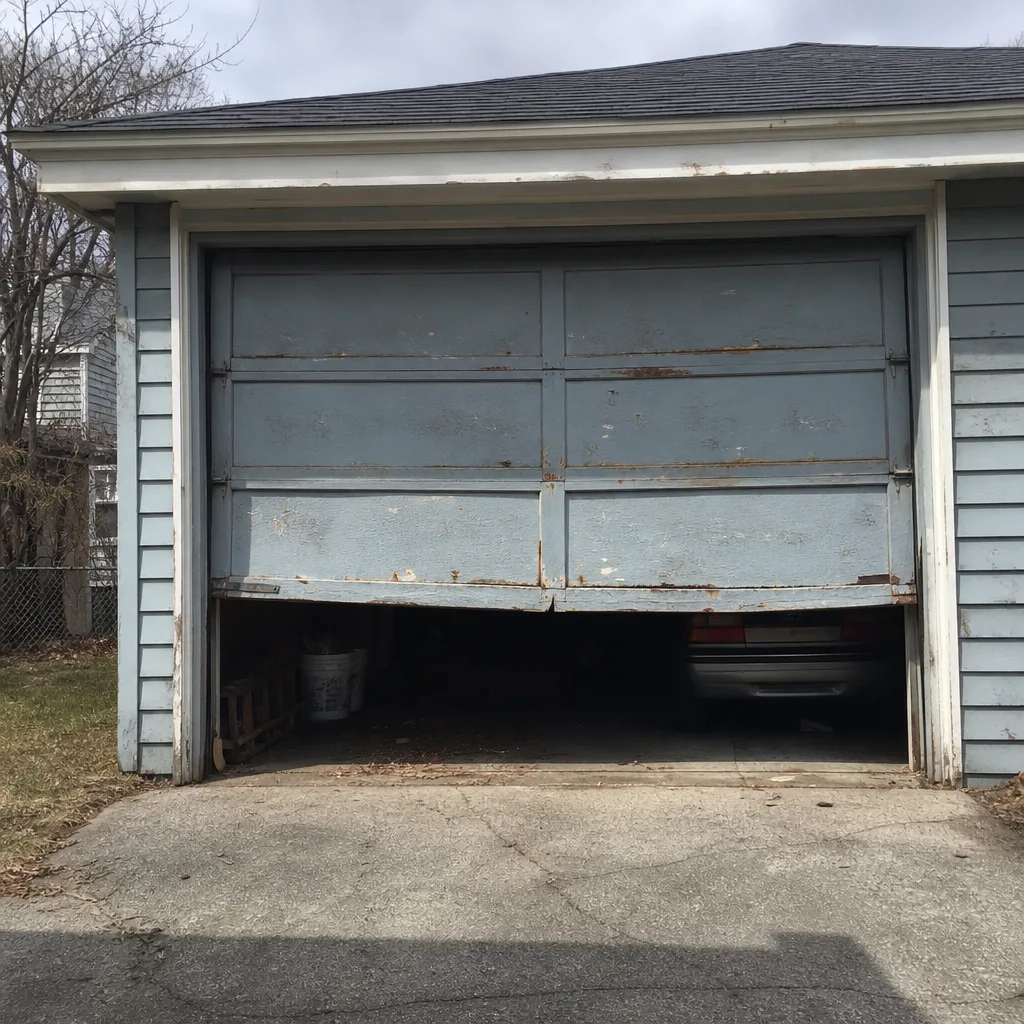 Before
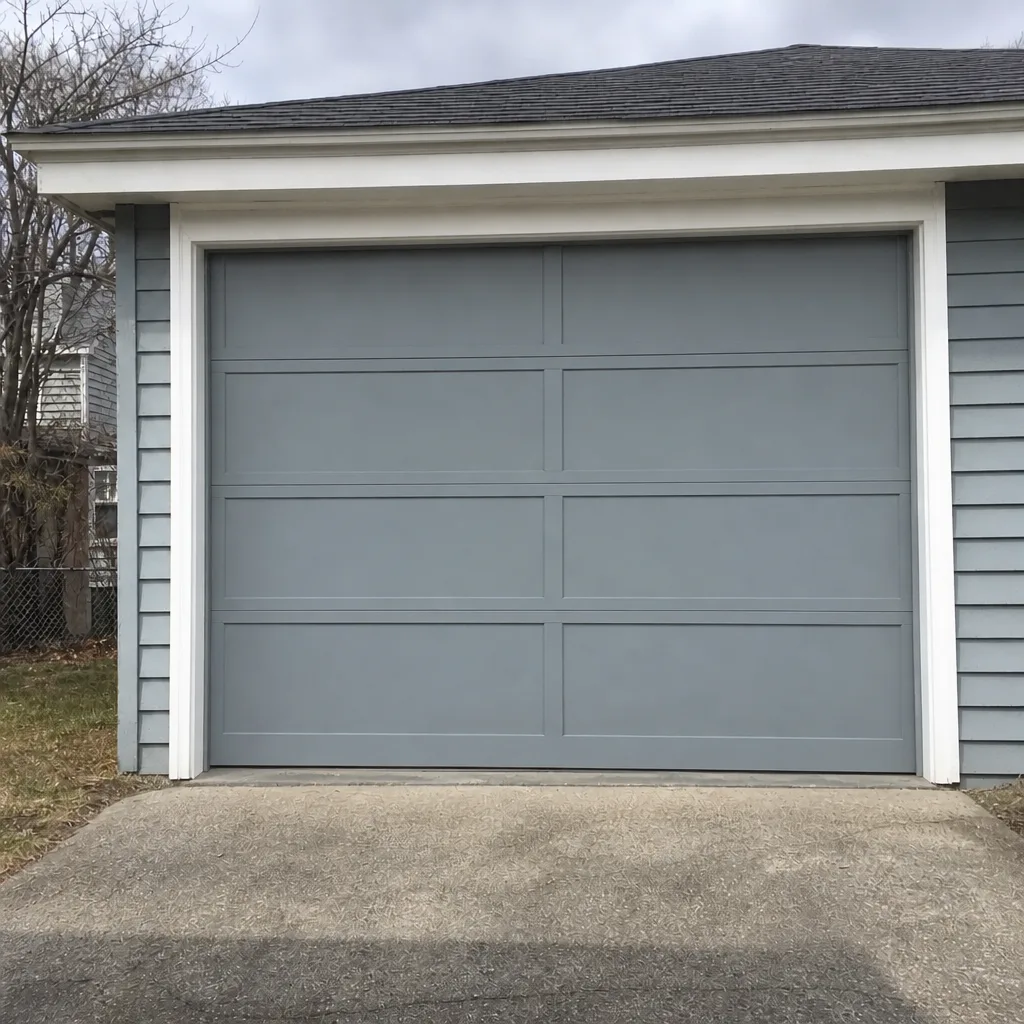 After
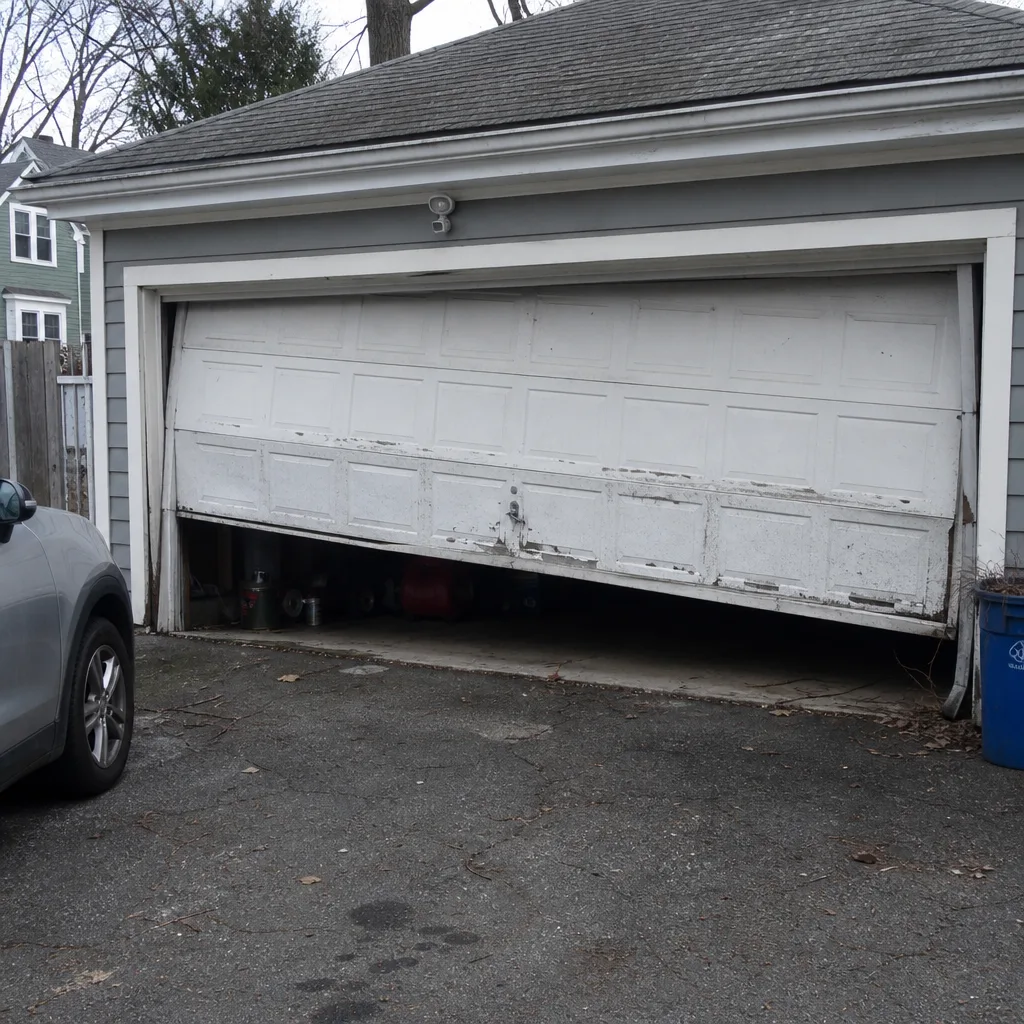 Before
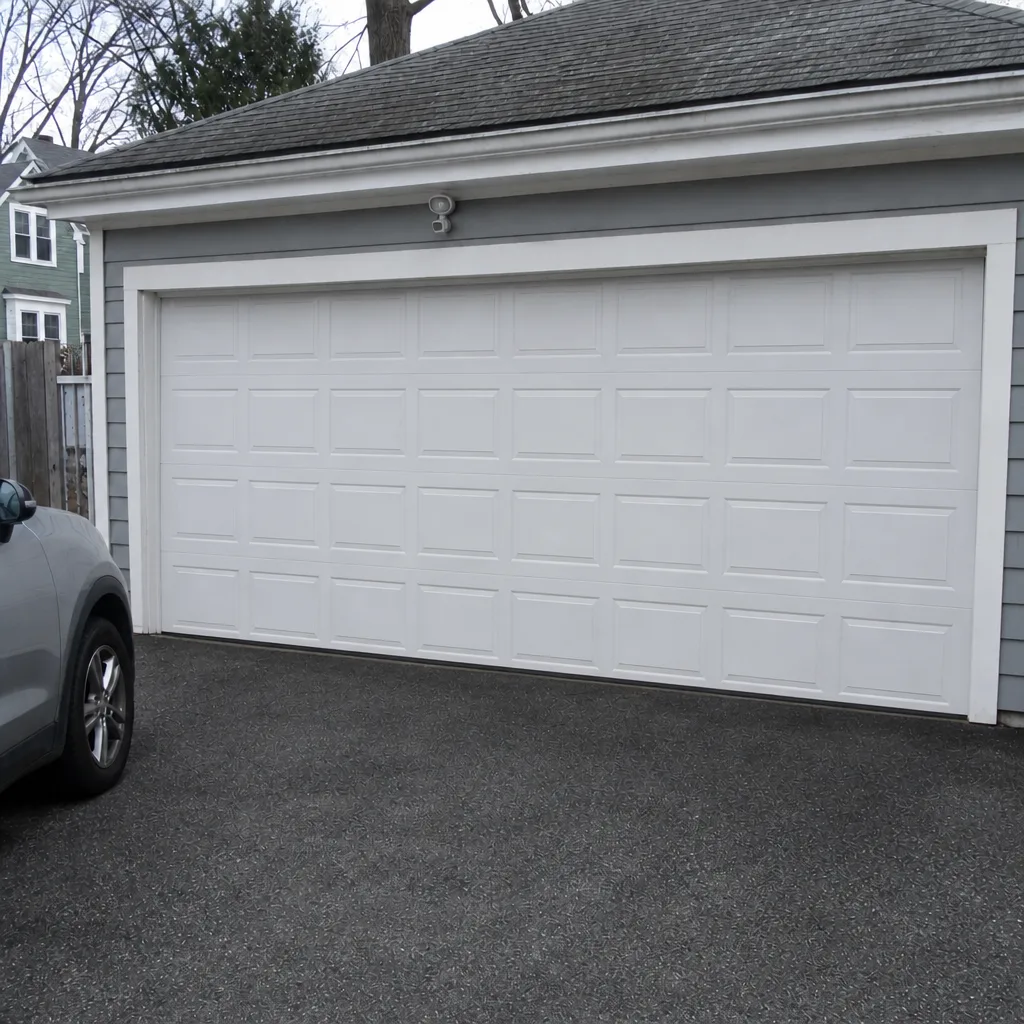 After
When to Call a Professional
Some maintenance you can handle. Some you shouldn’t. Call us if the door won’t open or close evenly, if the balance test fails, if you see broken or detached springs or cables, or if you find corrosion pitting on brackets and rollers. Get help with any safety-reverse test that fails, any opener that strains or reverses at random, and any panel that’s visibly damaged or separated. Electrical work on openers, spring replacement, and cable work belong with a trained technician. Cambridge Garage Door Repair Pros offers free estimates in Cambridge. Call (866) 254-2156. We answer 24/7. Fast dispatch from 7am to 7pm, Sunday through Friday.
Frequently Asked Questions
A Cambridge-specific checklist includes monthly salt-corrosion checks on bottom brackets and roller stems, seasonal lubrication timed to freeze-thaw cycles, twice-yearly spring balance testing, panel-by-panel rust inspection, and opener safety checks. The sequence matters: salt-exposed hardware first, then lubrication, then balance and panels. Call (866) 254-2156 for a free estimate if anything on the checklist needs attention.
Lubricate four times a year in Cambridge: before the first freeze, mid-winter, after the last salt spread, and mid-summer. Use a cold-rated garage door lubricant on hinges, roller bearings, and spring coils, and never lubricate the tracks. If you’re unsure which parts need lubricant, a technician can walk you through it. Call (866) 254-2156 for an exact quote; estimates are free.
Yes for most repair calls. Same-day service is available for doors that are stuck, off-track, or unsafe to operate. We answer 24/7. Fast dispatch from 7am to 7pm, Sunday through Friday. A call outside dispatch hours is booked into the next opening, Sunday through Friday, 7am to 7pm. Call (866) 254-2156 and we’ll book you in.
No. The written estimate you get sets the price. We quote and agree the price with you before any work starts, so there are no surprises when the job is done. That applies to small maintenance repairs and full door replacement alike. Call (866) 254-2156 for a free estimate.
The local professional who comes to your door is licensed and insured as Massachusetts requires. Our technicians specialize only in garage doors, covering springs, openers, panels, and full installations across the major brand lines. If you want to verify credentials for a specific job, just ask when you book. Call (866) 254-2156 to schedule.
Yes, in nearly every case. Springs on a door are matched pairs that wear together, so replacing just one means the older spring fails soon after. Replacing both at once is the standard approach and costs less than two separate repairs down the line. A spring is under extreme tension, so this is never a DIY job. Call (866) 254-2156 for a free estimate on spring repair.
The Bottom Line
Garage door maintenance in Cambridge comes down to timing. Salt hits the bottom hardware first, cold weather tests your lubricant choices, and spring balance tells you what’s coming before it fails. Use the monthly walkthrough to catch seal, sensor, and panel problems early. Lean on the seasonal calendar to time your lubrication and balance checks. And know when to stop and call a specialist: springs, cables, and opener electrical work belong with a trained technician. With that routine in place, most Cambridge garage doors stay safe and quiet through every freeze-thaw cycle. When something needs a professional eye, call (866) 254-2156 for a free estimate. Garage doors are all we do.
Written by the team at Cambridge Garage Door Repair Pros.