
Last updated November 21, 2026
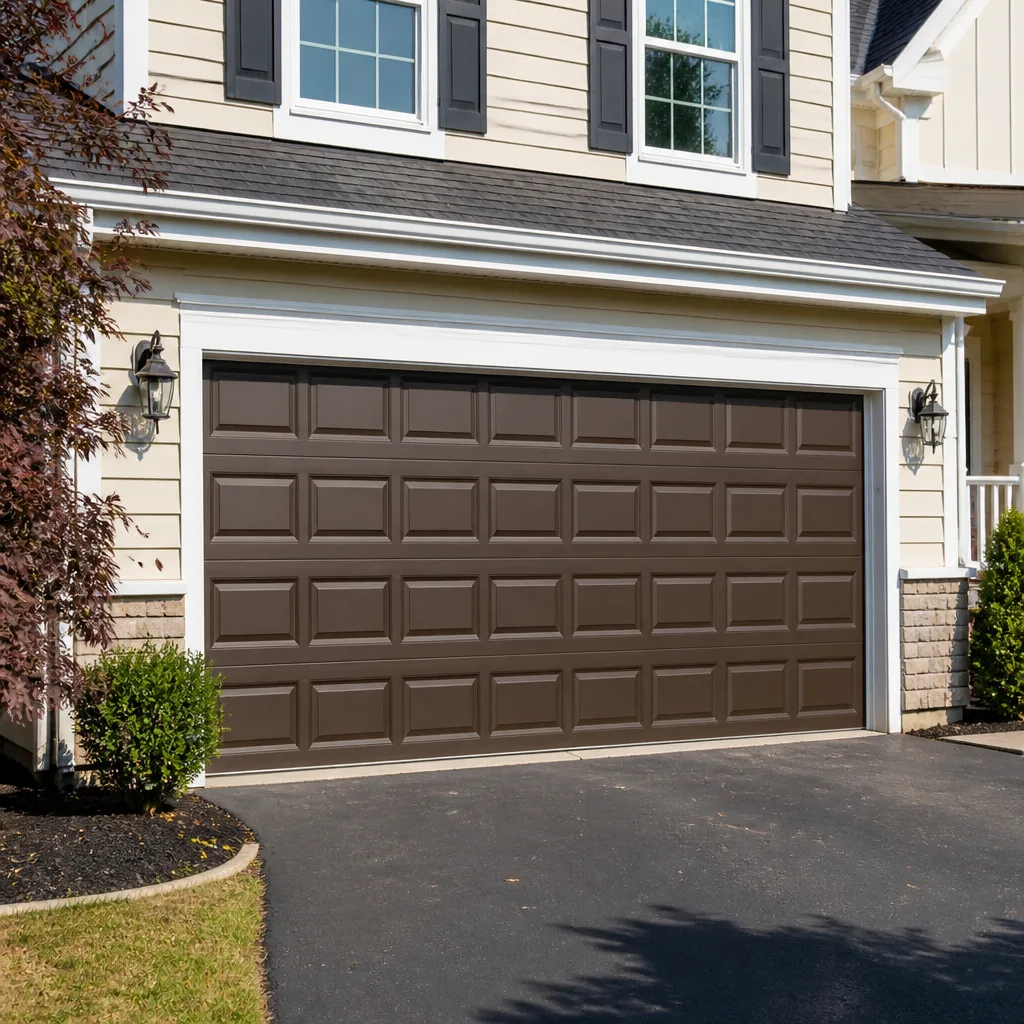 Raised-panel steel
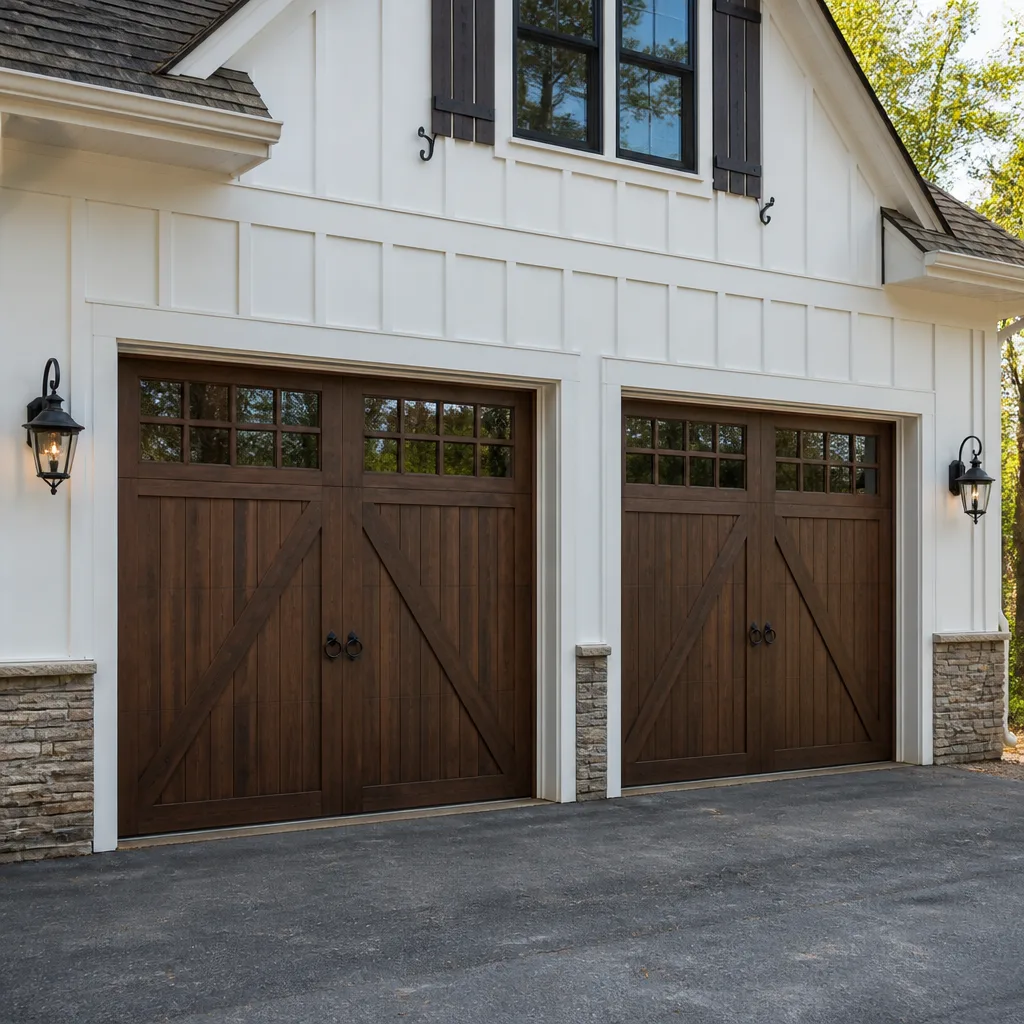 Carriage house
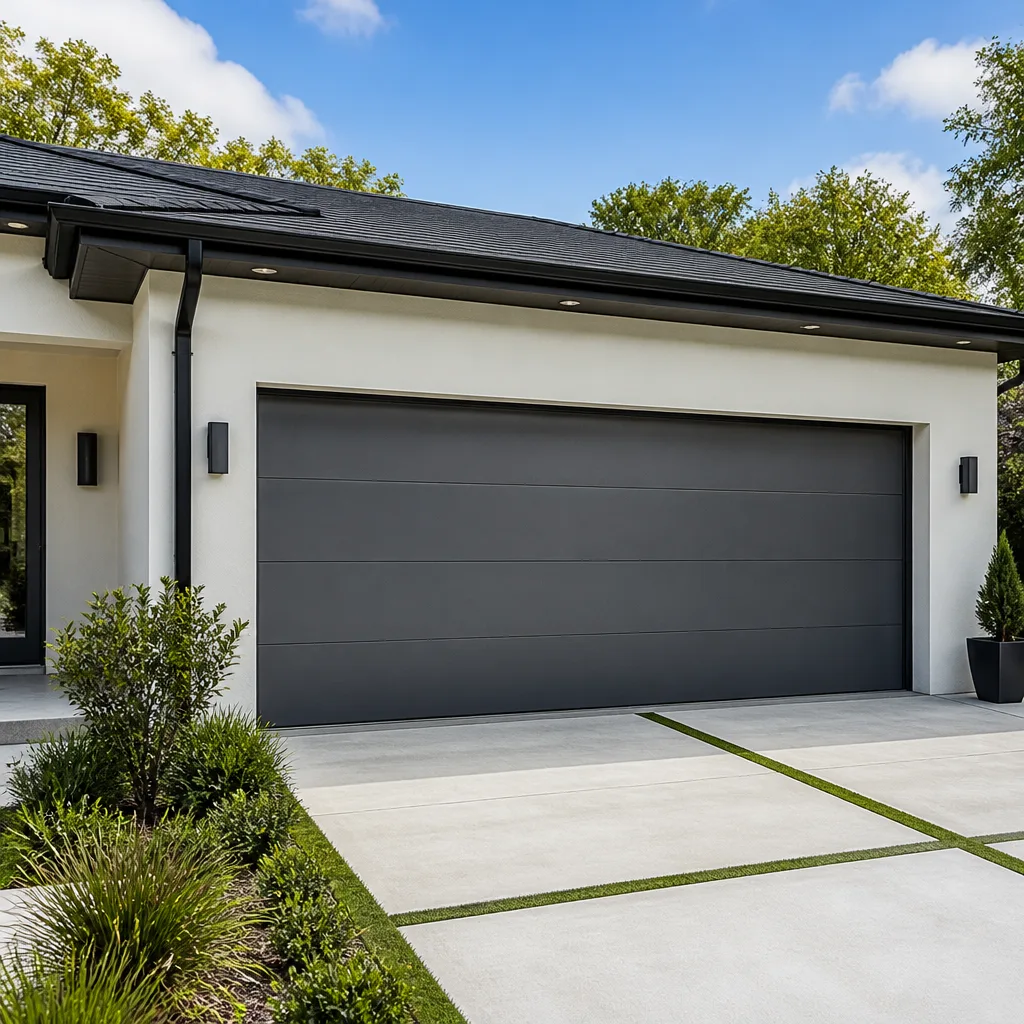 Modern flush
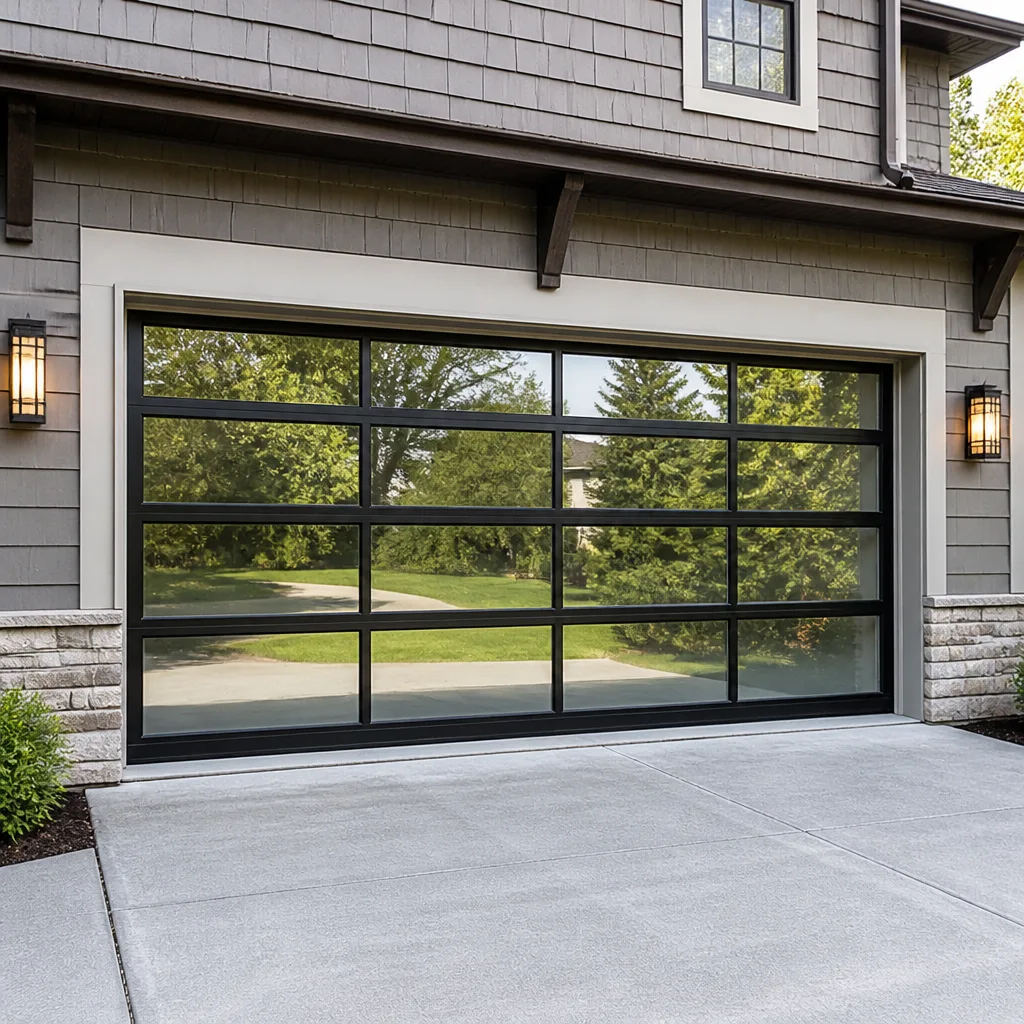 Full-view glass
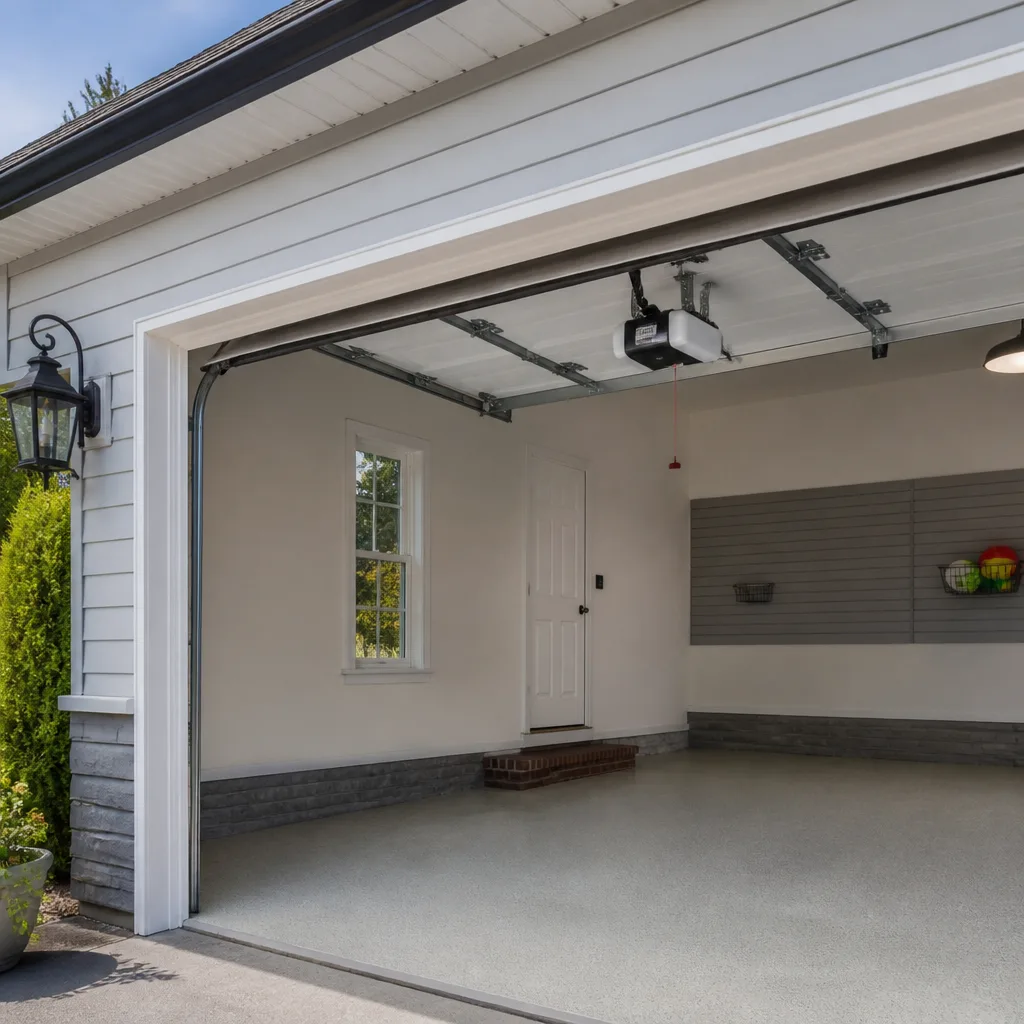 LiftMaster openers
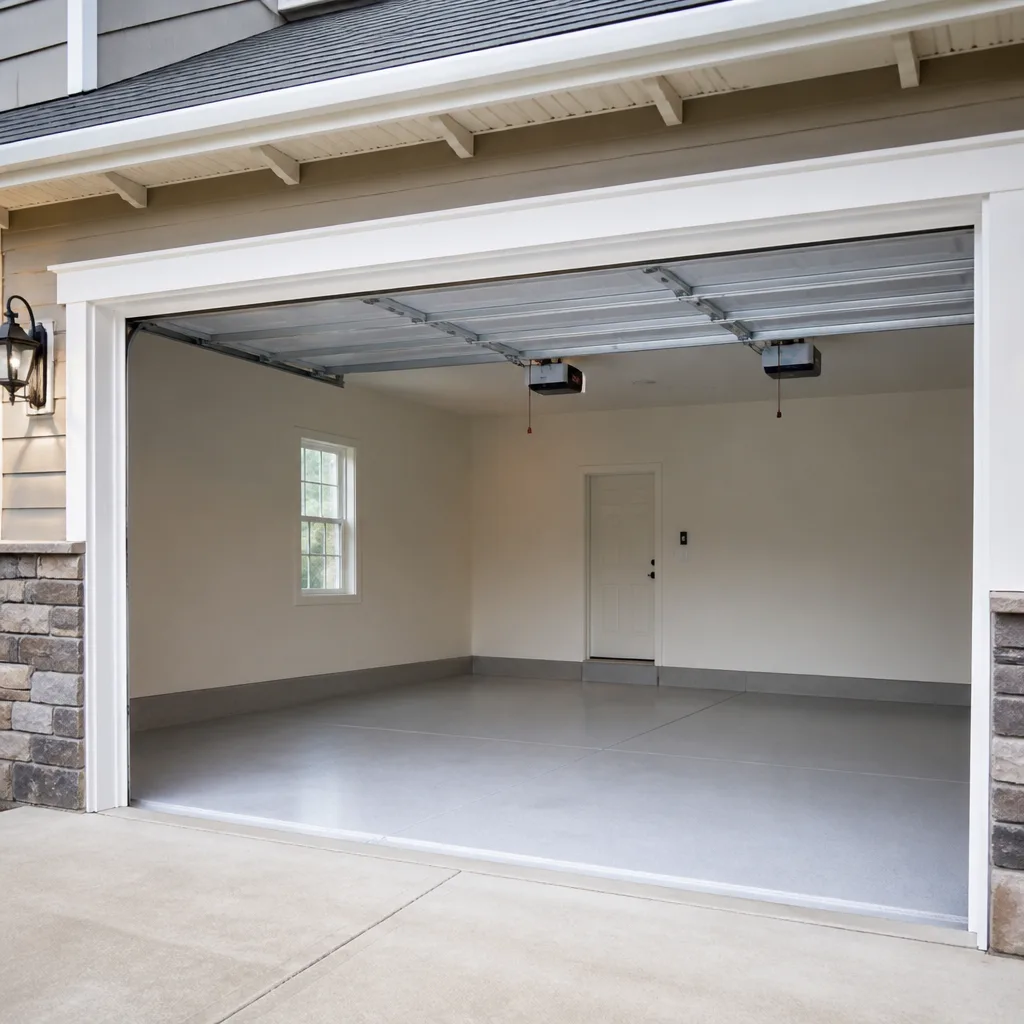 Chamberlain openers
Full 25-point door and opener safety check with every visit - springs, cables, rollers, tracks, and your LiftMaster or Chamberlain opener included
You get a price before we start. It does not change when the pro arrives.
Get your free estimateGarage Door Warning Signs: A Cambridge Homeowner’s Reference Guide
A garage door that “sounds a little rough” is not a quirk. A grinding noise on descent almost always means roller wear or track debris, and in Cambridge’s gritty urban environment that progression from rough to seized happens faster than it does in a clean suburban garage. Street grit, road dust, and the freeze-thaw cycle of a New England winter all work their way into the rollers, hinges, and bottom brackets of nearly every door in the city. Most failures do not arrive without warning. They produce specific sounds, movements, and visual cues that homeowners misread or ignore for months. This guide teaches you to diagnose what your door is telling you, using the same terminology a technician would use.
Quick Answer
Garage door warning signs in Cambridge fall into three categories: sound (popping, grinding, or snapping), visual condition (cable fraying, rust bloom, bent track, worn seals), and movement (uneven lifting, jerky travel, reversing before it closes). A popping noise points to a failing torsion spring, grinding to worn rollers, and a door that reverses on cold mornings usually indicates a misaligned safety sensor from frost heave rather than a weather quirk. Any of these signs is best checked by a garage door specialist before the door fails completely.
Styles & brands we work with
- Raised-panel steel
- Carriage house
- Modern flush
- Full-view glass
- LiftMaster openers
- Chamberlain openers
Table of Contents
- The Sound-Based Diagnostic Index
- Visual Warning Signs in Cambridge’s Climate
- What Uneven Lifting Tells You
- Opener Behavior: Hardware Failure vs. Logic Board Failure
- The Cold-Morning Reversal and Frost Heave
- A Seasonal Inspection Routine for Cambridge Homes
- What a Professional Check Actually Involves
The Sound-Based Diagnostic Index
Sound is the first signal a door gives, and each noise has a known cause. Learning to tell them apart is the fastest way to know whether you are dealing with a routine wear item or a component that has to come off the door before it does something worse.
- A loud popping or snapping sound, usually a single sharp crack. This is the signature of a broken torsion spring. The popping you hear is the coil releasing its stored tension. The door may suddenly feel extremely heavy, or it may not open at all.
- A steady grinding on descent. Worn steel rollers or debris packed in the track. In Cambridge, street grit thrown up from road salt and sand in winter is a common culprit. The rollers flatten, the track collects the grit, and the door drags.
- A rhythmic clunking or rattling. Loose hinge plates, a worn bottom bracket, or a roller that has slipped slightly out of its carrier. The clunk repeats with every few inches of travel.
- A high whine from the opener head. On a LiftMaster or Chamberlain chain-drive unit, a worn gear-and-sprocket assembly or a dry motor bearing produces a shrill sound. It is often the first sign the opener is failing.
- A dragging or scraping at floor level. A worn bottom seal or a section that has begun to warp. The door still moves but the bottom rubber is fighting the floor.
- A buzz with no door movement. The opener motor is running but the door is not, pointing to a stripped drive gear, a snapped belt, or a broken spring the opener cannot lift.
The critical rule: a spring pop, a sharp crack, or a snap is a stop-now signal. A torsion spring stores enough energy to cause serious injury, and a door that has lost its springs should not be operated by anyone. Once a spring fails, the door’s weight is essentially unsupported. The correct move is to close it if you can and garage door spring repair is not a task for a homeowner with a wrench and a video tutorial. The spring needs to be measured, matched by wire gauge and length, and de-tensioned with the correct winding bars. If your door has popped, stop running it and call.
If a broken spring is the cause, you’ll want to know what you’re dealing with rather than guess. Springs are replaced in pairs, and the technician’s first visit is mostly about confirming the matching wire gauge and working length.
Visual Warning Signs in Cambridge’s Climate
Cambridge winters cycle over the freezing mark repeatedly, and the interior of a garage absorbs the condensation that comes with it. The result is a specific pattern of corrosion you can read off the door. Knowing what to look for tells you whether the hardware is on the way out or just cosmetically weathered.
Rust bloom patterns. A powdery orange haze on the surface of a hinge or a roller is active corrosion. It wipes off but returns quickly. Darker, pitted, flaking rust on the same part means the metal has already lost material. Surface haze can be cleaned and oiled. Pitted hardware should be replaced. Pay particular attention to the bottom brackets and the hinges at the floor, where the road salt collects.
Cable fraying, visible versus hidden. Cables run from the bottom Brackets up through the drum at the top of each side. The visible portion near the drum is where you can spot a broken wire strand in the braid. The hidden portion sits behind the vertical track and along the bottom bracket. If the cable is kinked, has a “bird-cage” bulge, or looks brighter where two strands have snapped, it is failing. A frayed or kinked cable is replaced, not repaired.
Bent or kinked track. Stand inside the garage and sight down each vertical and horizontal track. A dent, a bend, or a kink in the vertical section is usually from a bumped car or a door that was pulled sideways. The door cannot travel straight on a bent track no matter what the springs are doing.
Worn rollers. Rollers should be round and firm. A flattened or wobbling roller, or one with a visible flat spot, has worn out. Steel rollers wear differently from nylon rollers, and which one your door has matters when selecting the replacement.
Panel dents and misalignment. A dented section or a panel that has shifted in the hinge will throw the door off-line over time. Look for daylight along the edges of a closed door; if light is coming through in places it did not before, the panels have moved.
What Uneven Lifting Tells You
A door that lifts with one side higher than the other is sending a clear signal. The question is which component is responsible. Three candidates cover the vast majority of cases, and the difference matters.
- Spring tension imbalance. Each side of a two-spring door carries its own coil. If one spring has weakened or is on its way to breaking, that side lags. The door lifts and one corner sits higher. The other spring is now doing extra work, which accelerates its wear. This is the most common cause of an uneven door.
- Cable drum wear. Each side has a cable drum at the top of the vertical track. If a drum is loose, has slipped a turn, or its cable is not seated correctly in the groove, that side’s cable takes up slack unevenly. The result is a door that lifts but looks like it is leaning.
- Bent or misaligned vertical track. One track being slightly out of plumb pulls that side of the door out of line. Sight the two tracks against each other. If they don’t look parallel, the track is a suspect.
There is a simple test to narrow it down. With the door fully closed, disconnect the opener with the manual release (the red pull cord hanging from the rail) and lift the door by hand from the center. A properly balanced door should lift with light, even pressure and stay up at roughly the halfway point. If one side lags, or the door feels like it is fighting you on one side, the spring tension is off. If the door lifts evenly but drifts sideways or binds, the track or a drum is the issue. Never attempt to adjust spring tension yourself. A torsion spring is under load even when the door is closed.
If a door lifts unevenly, garage door repair is the right first move rather than a wait-and-see. A mismatch that runs for a few weeks rarely stays a mismatch. The weakened side either breaks or drags its partner down.
Opener Behavior: Hardware Failure vs. Logic Board Failure
When a door opens a few inches and reverses, or refuses to close entirely, the temptation is to assume the opener has failed. Sometimes that is right. Often it isn’t. Distinguishing a force-limit trip caused by hardware from an actual logic board failure saves you replacing a motor that is doing its job.
The single most useful test is the manual release. Pull the red cord to disconnect the opener from the door. Then:
- Lift the door by hand. If it feels heavy, binds, or won’t stay up at the halfway point, the problem is the door hardware (springs, cables, track, rollers), not the opener. The opener’s force limit is tripping because it is being asked to lift a door it cannot handle. A broken spring is the most common cause of this exact symptom.
- If the door lifts smoothly by hand, the hardware is sound. Reconnect the opener. Then run the opener with the door connected and watch the travel. If it reverses at the same point every time, the travel limits or the force setting have drifted, or a safety sensor is obstructed.
- If the opener runs but the door doesn’t move, look at the drive train. A stripped gear in a chain-drive LiftMaster or Chamberlain unit is a known wear item. The motor hums but the chain doesn’t turn. This is a hardware repair, not a full opener replacement.
- If the opener behaves erratically, with lights flashing and the carriage moving in an unexpected sequence, that points toward the logic board or the wall control. A specialist with the right brand can tell which.
One more distinction worth knowing. A door that reverses immediately after returning to the down position is usually a sensor obstruction (more on that below), not a force trip. A door that stops partway down with the opener light blinking is usually a force trip. The two look similar but have different causes. If you have a Genie or a Craftsman unit, the diagnostic blink codes are brand-specific, and one of the fastest ways to decode one is to have a technician who services that brand look at it. When a door opens a couple of inches and reverses, garage door opener repair is the correct call once you’ve confirmed the door itself moves freely by hand.
The Cold-Morning Reversal and Frost Heave
Here is the warning sign most Cambridge homeowners attribute to the weather and let go for months. On a cold morning, the door starts down and reverses a few inches above the floor. The natural assumption is that the door is cold, stiff, or just being difficult. It usually isn’t. The photo-eye sensors at the bottom of each track have shifted out of alignment, and the most common cause in Cambridge is frost heave.
The sensors sit on small brackets mounted to the track near the floor. When the ground under the slab freezes and lifts, the slab moves, the track moves with it, and the two sensors no longer point at each other. The door’s control board reads the broken beam as an obstruction and reverses the door. When the ground thaws and the slab settles, the door may start closing normally again, which is exactly why it looks like a weather problem.
What to check without touching the spring or the cable:
- Look at the LED on each sensor. Most Genie and LiftMaster units have a green or amber LED that stays steady when the beam is aligned. A flickering LED indicates misalignment.
- Wipe the lens on each sensor. A crust of road grime will block the beam the same way a misaligned bracket will.
- Look at whether the sensor bracket has bent or the track has shifted. A bracket that has been physically knocked takes a different fix than one that has simply drifted.
A misaligned sensor is usually a small adjustment. What makes it worth calling about is the pattern. If the door reverses on cold mornings and behaves the rest of the year, it is worth having the sensor bracket checked and the track sighted. Left alone, a shifted track can also develop a bind that wears the rollers and the cables unevenly, which turns a five-minute adjustment into a hardware replacement.
A Seasonal Inspection Routine for Cambridge Homes
Cambridge’s climate is a steady cycle of wet, cold, warm, and wet again. The door hardware experiences that cycle along with everything else. A short seasonal check is the difference between a part you replace before it fails and a component that fails on a morning you need to get out of the driveway. Here is a routine you can run yourself without touching the springs or cables.
- In late fall, before the first hard freeze. Wipe down the bottom brackets and hinges with a light oil. Remove any grit or salt residue around the rollers. This is the single most useful step for a Cambridge door.
- Check the weather seal and bottom rubber. Look for cracks, splits, or hardening. A worn seal lets water and grit into the garage and drags on the floor.
- Run the door up and down fully, watching for jerks or pauses. Any pause on one side is worth noting.
- Test the safety reverse. With the door open, place a piece of wood or a box in the door’s path and close it. The door should reverse on contact. If it doesn’t, the opener’s force setting or the sensor needs attention.
- Test the photo-eye sensors. Wave an object between the two sensors while the door is closing. The door should reverse. If it doesn’t, the sensors are out of alignment or the wiring has an issue.
- In spring, after the thaw. Repeat the visual checks. Frost heave season is over, and any change in the track’s alignment that developed over the winter is now visible.
Cambridge homes with older garages, especially around neighborhoods like Cambridgeport and Riverside where a lot of the housing stock predates modern garage construction, are also more likely to have wood doors or older Clopay and Wayne Dalton steel doors where the hardware has seen a lot of freeze-thaw cycles. The check itself takes fifteen minutes. What it prevents is a midwinter failure when the door is the last thing standing between your car and a frozen street.
What a Professional Check Actually Involves
A good garage door technician is not there to sell you a new door. The first visit is diagnostic. That means a systematic read of the whole system, not just the part that made the noise.
A thorough check covers the door’s balance (with the opener disconnected, lifting the door by hand to confirm it stays up at the halfway point), the spring condition (measuring the coil, checking the wire gauge and the number of turns, and confirming the two springs are matched), the cable condition (running a hand along the visible portion and checking the drum and bottom bracket), the track alignment (sighting each track from the floor to the ceiling), and the roller and hinge condition. On the opener side, it means checking the force limits, the travel limits, the safety sensor alignment, and the drive train. If the opener is a smart-home-compatible unit, it also means confirming the wall control and the app are communicating correctly.
Most of what fails on a garage door is a wear item. Springs, rollers, hinges, cables, and the bottom seal all wear out on a predictable schedule. The door itself, and generally the opener motor, last longer than any of those individual parts. A specialist visit is usually about confirming which wear item is at the end of its life and replacing it with the correct part for that brand. On a Clopay or Amarr door, the track and panel hardware are specific to the manufacturer, and on a Wayne Dalton door the roller carriers are too. Getting the right part the first time is what keeps a fix from turning into a repeat visit.
When you call us, we answer 24/7. Fast dispatch from 7am to 7pm, Sunday through Friday. If a call comes outside those dispatch hours, we book it into the next opening. The estimate is free and the price is set per job by the written estimate before any work begins. Our technicians have up to 11 years of experience, and garage doors are all we do. Springs, openers, panels, and seals are diagnosed and repaired by specialists who work across LiftMaster, Chamberlain, Genie, Clopay, Amarr, Wayne Dalton, Craftsman, and Raynor hardware.
Common Mistakes to Avoid
- Ignoring a popping sound. A pop or snap is a spring releasing tension. Running the door after a spring breaks puts stress on the opener and can bend the track. Stop using the door and call a specialist.
- Assuming an opener that reverses is a bad opener. Nine times out of ten, the opener is protecting itself from a door it cannot lift. The door hardware, not the motor, is the usual culprit.
- Spraying lubricant into the track. People do this to stop a grind, but grease attracts grit from the Cambridge street. The track and rollers run dry. Lubricate hinges and bearings lightly, never the track itself.
- Blaming the cold for a cold-morning reverse. In Cambridge, that symptom is almost always a sensor misalignment from frost heave. Left alone, it drifts into a track problem.
- Adjusting spring tension by hand. A torsion spring is under load even when the door is closed. This is the single job a homeowner should never take on. The energy stored in a wound spring can cause serious injury.
- Treating surface rust and pitting as the same thing. A powdery haze wipes off and is cosmetic. Flaking, pitted rust means the metal has lost material and the part should be replaced before it fails.
- Letting a small pause on one side go unexamined. An uneven door puts extra load on the good spring and the good side’s cable. What starts as an imbalance ends as a break.
See the difference
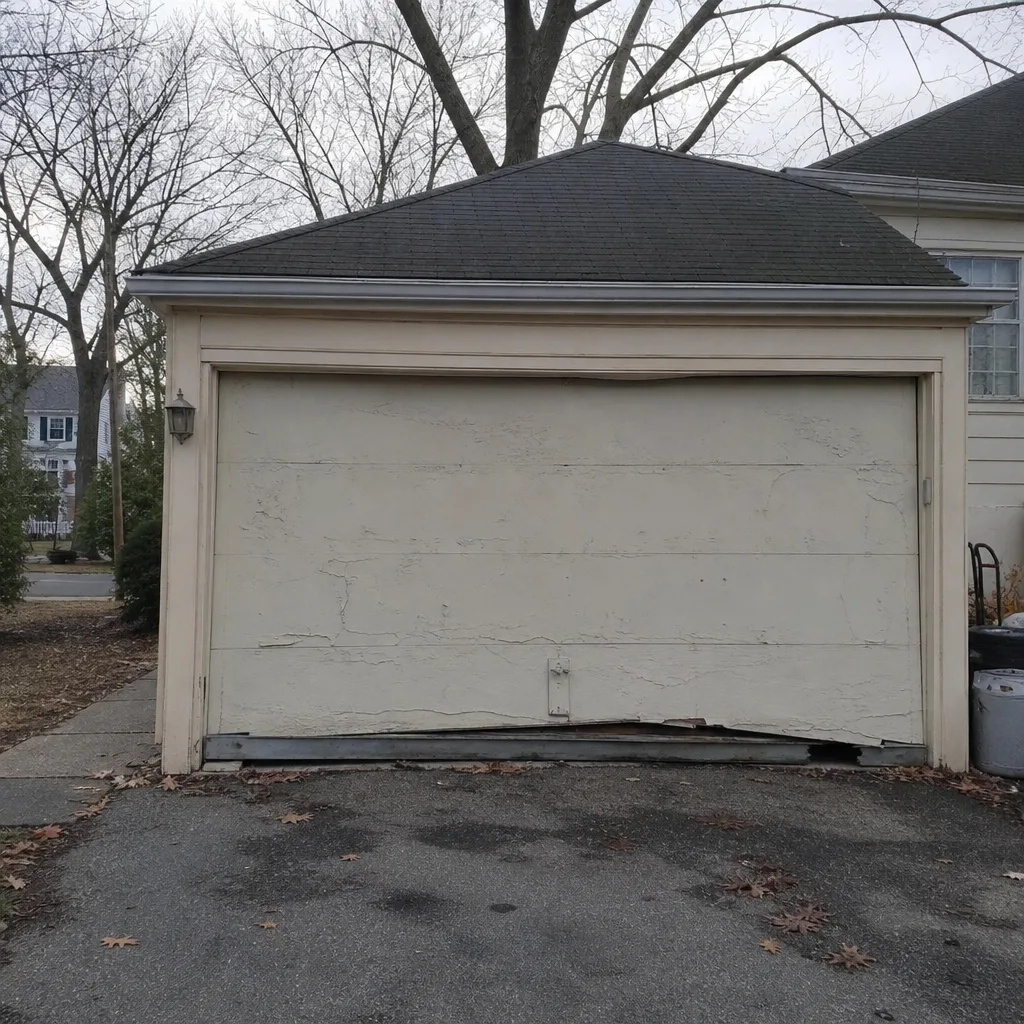 Before
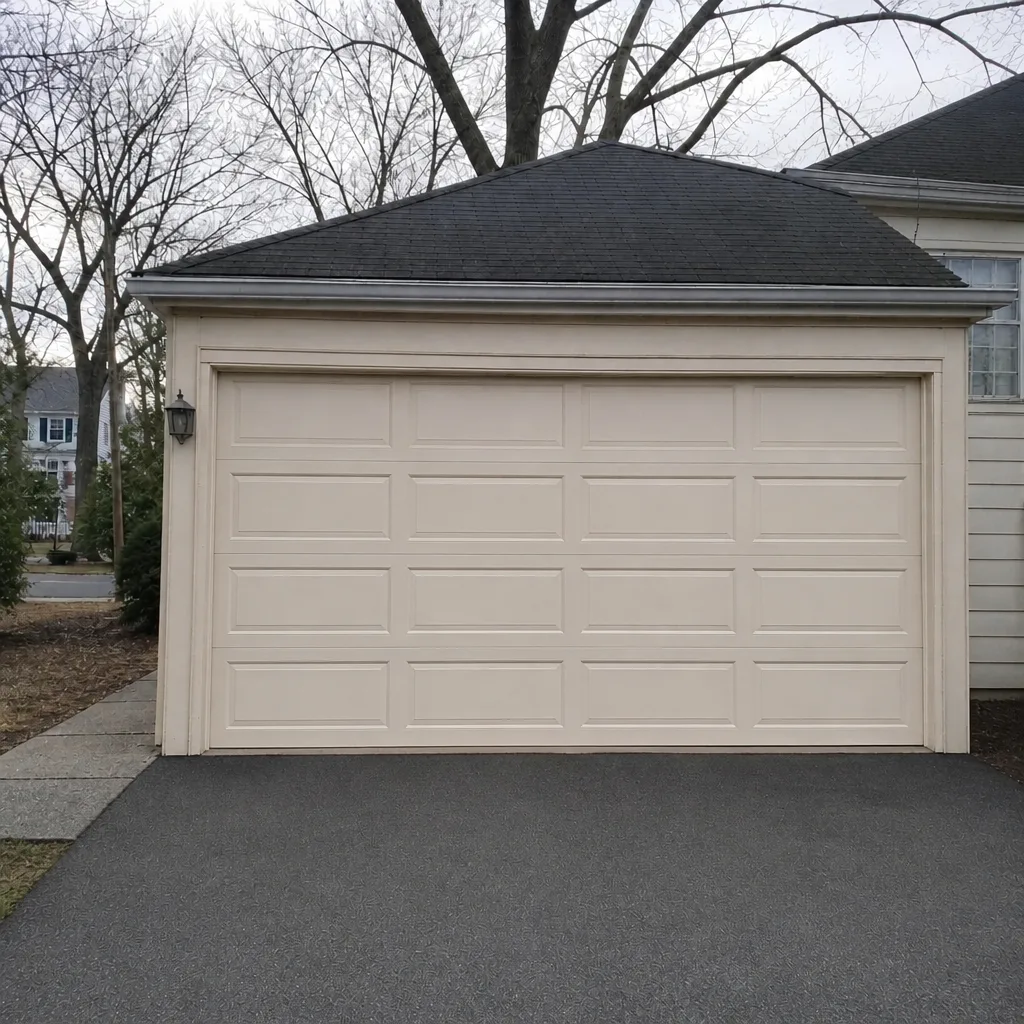 After
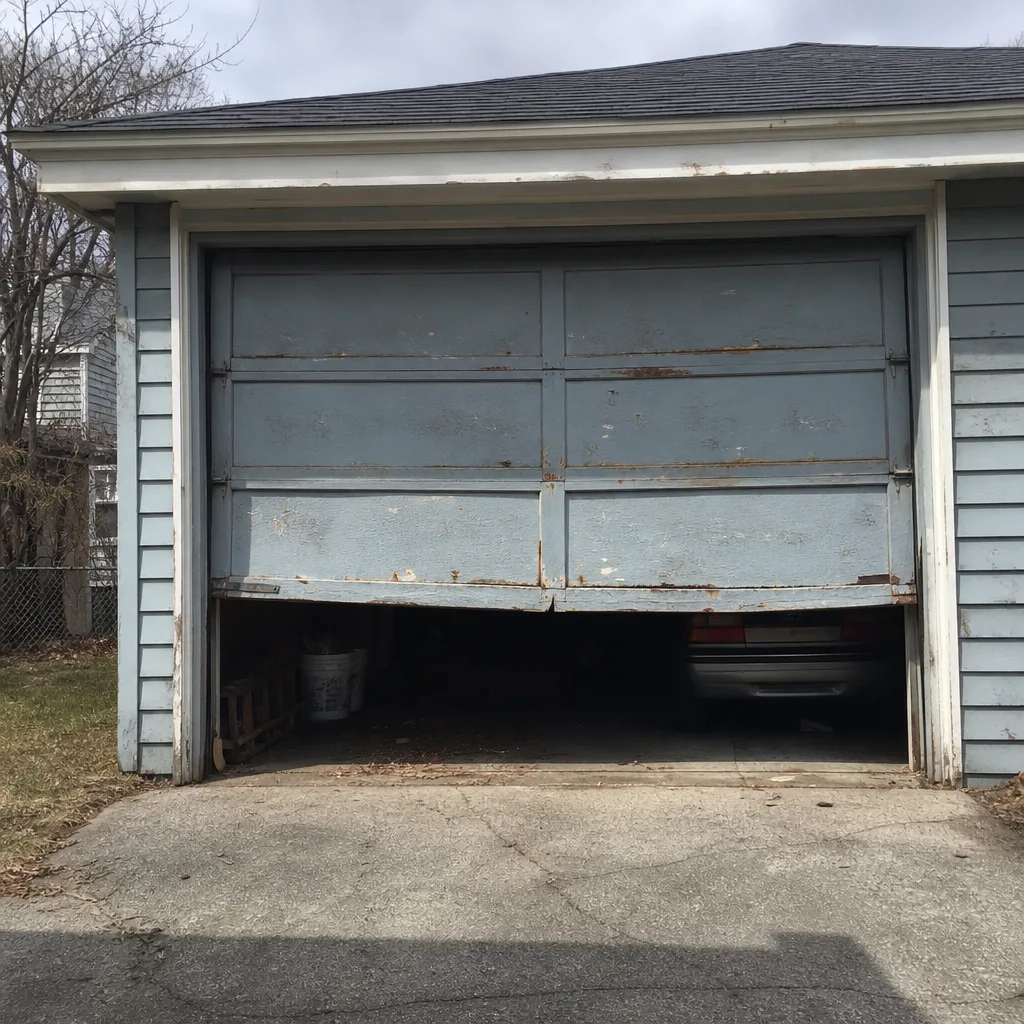 Before
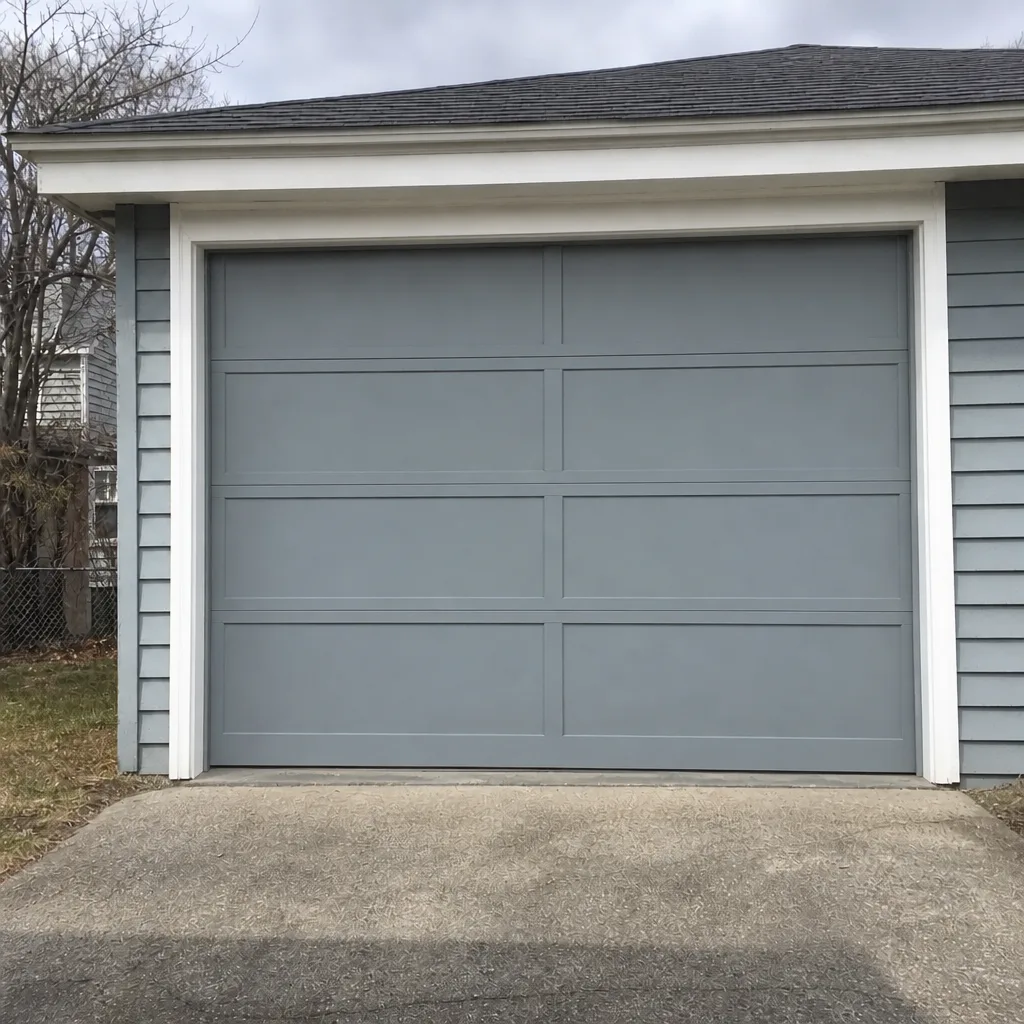 After
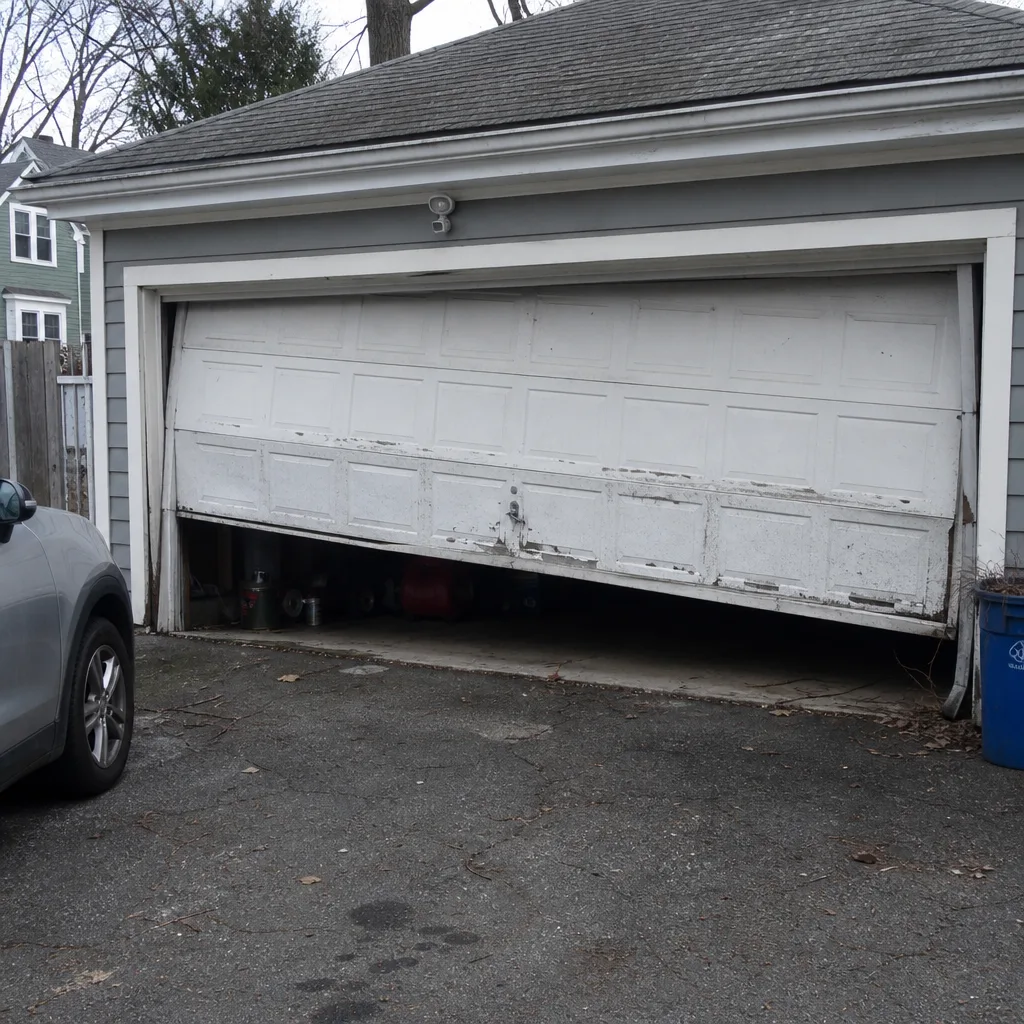 Before
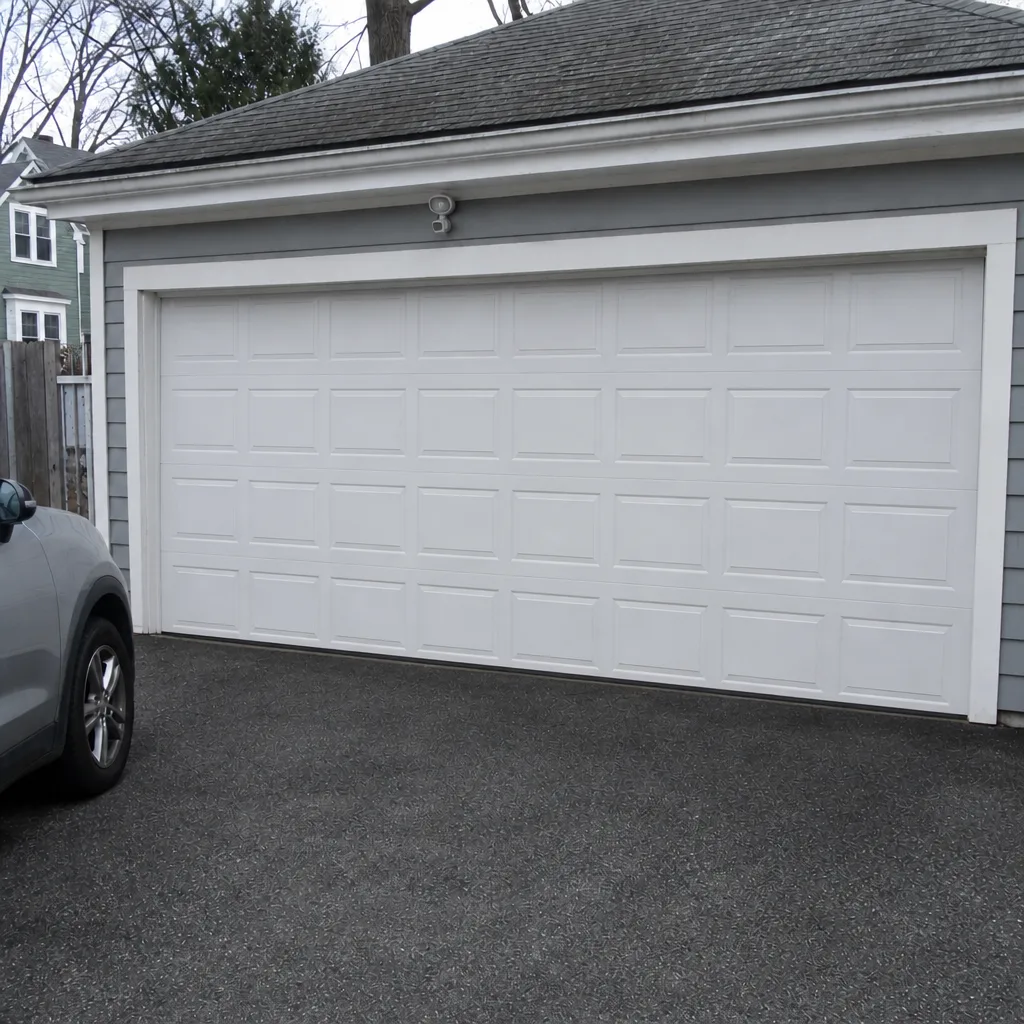 After
When to Call a Professional
Call a specialist if you hear a popping or snapping sound, if the door reverses before it closes and doesn’t correct after a sensor wipe, if the door lifts unevenly, if a cable is kinked or frayed, if the opener runs but the door doesn’t move, or if the door feels unusually heavy when you lift it by hand. Any one of these is reason enough. Several together mean the system is past due for a service check. Cambridge Garage Door Repair Pros offers free estimates in Cambridge. Call (866) 254-2156. We answer 24/7, with fast dispatch from 7am to 7pm, Sunday through Friday. The price is quoted and agreed before any work starts, and the written estimate sets the final price.
Frequently Asked Questions
A loud popping or snapping sound is the most common first sign, and the door may suddenly feel very heavy or stop opening. The popping is the coil releasing its stored tension. Stop using the door and call a specialist at (866) 254-2156, because a door without working springs can drop or bend the track.
It usually reverses because the photo-eye sensors have shifted out of alignment due to frost heave moving the slab and track. The door’s control board reads the broken beam as an obstruction. Check the sensor LEDs and wipe the lenses first; if the reversal returns on the next cold morning, have the brackets and track checked.
Grinding on descent almost always points to worn rollers or grit packed in the track, and it’s worth checking the rollers first. Cambridge street grit gets into the track and flattens the rollers faster than in a cleaner setting. Worn rollers can be replaced without replacing the door.
Leave the springs to a technician, without exception. A torsion spring is under load even when the door is closed, and the stored energy can cause serious injury. Measurements, winding, and matching a broken spring to a replacement all require the right tools and a trained hand.
A humming opener with a still door points to a stripped drive gear, a snapped belt, or a broken spring the opener can’t lift. On chain-drive LiftMaster and Chamberlain units, the gear is a known wear item. Confirm the door lifts by hand with the opener released; if it does, the drive train is the suspect.
Pricing depends on the part and the door, so the written estimate is the number that counts. Resetting a sensor or replacing a roller is a small job, while replacing a torsion spring or an opener is a larger one. Call (866) 254-2156 for a free estimate; the price is quoted and agreed before any work starts.
The Bottom Line
Garage doors rarely fail without first telling you something is wrong. A popping spring, a grinding roller, a kinked cable, a door that lifts unevenly, a reverse on a cold morning: each one is a signal with a specific cause. Read them early, and most of what seems like a sudden failure turns out to be a wear item that could have been replaced on your schedule rather than on a morning you needed to leave. In Cambridge, that read matters more because the climate and the street grit wear hardware faster. When a door in Cambridge starts telling you something, listen.
Call (866) 254-2156 for a free estimate. We answer 24/7, with fast dispatch from 7am to 7pm, Sunday through Friday. Our technicians have up to 11 years of experience, garage doors are all we do, and the price is quoted and agreed before any work starts. Learn more at Cambridge Garage Door Repair Pros.
Written by the team at Cambridge Garage Door Repair Pros.