
Last updated November 21, 2026
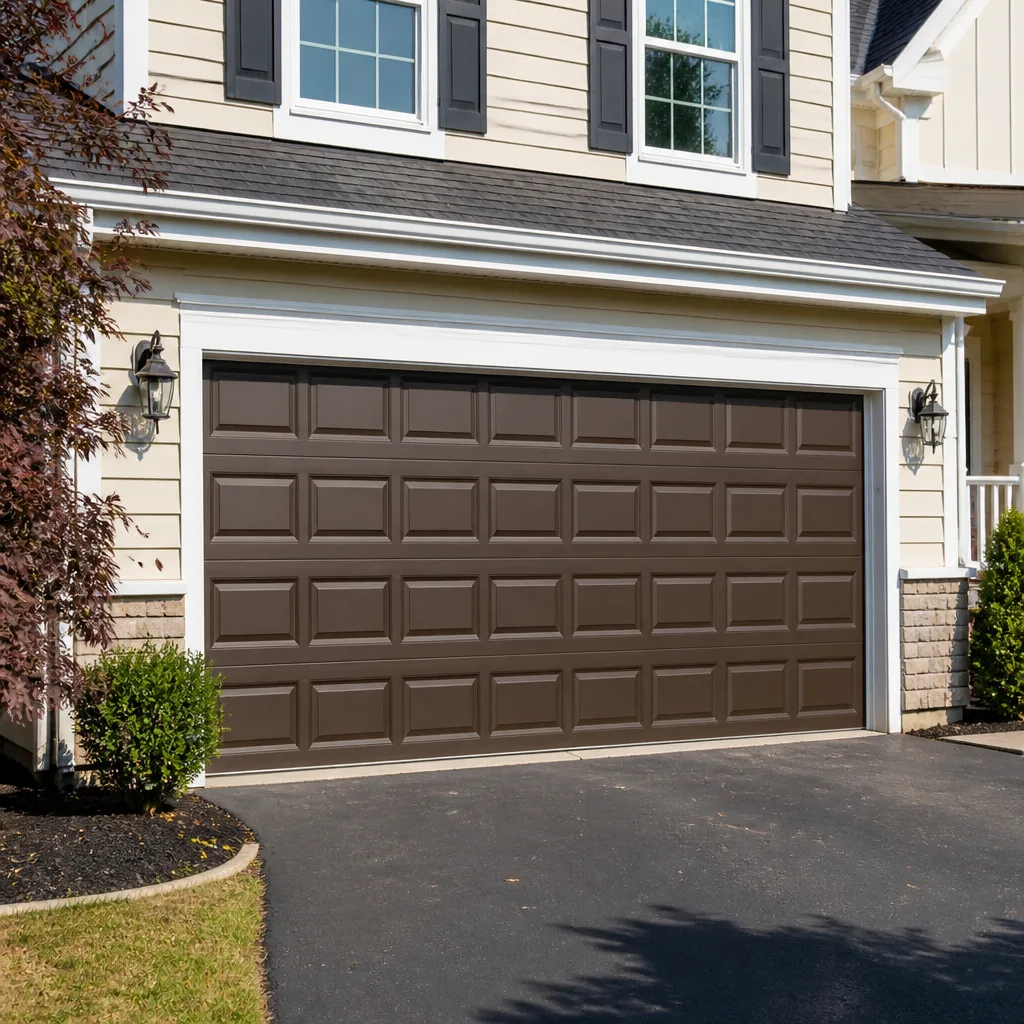 Raised-panel steel
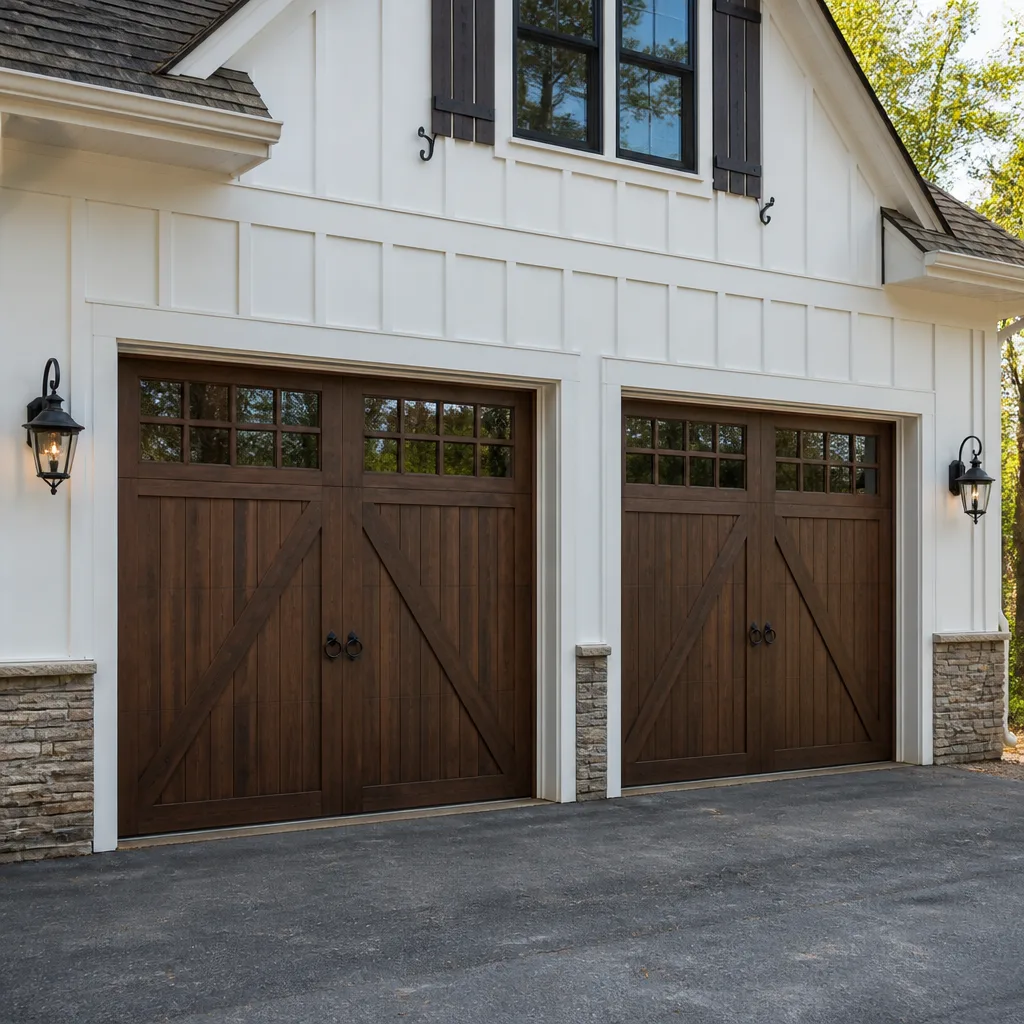 Carriage house
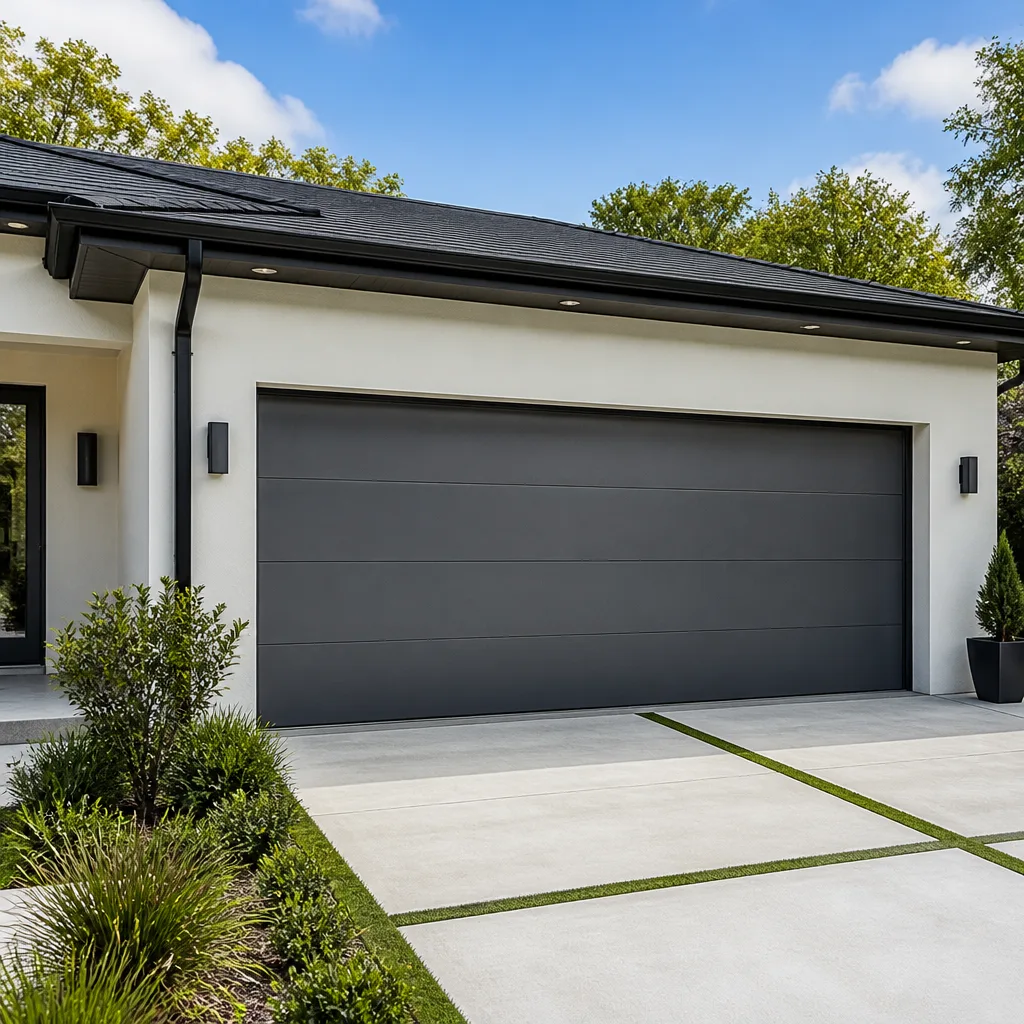 Modern flush
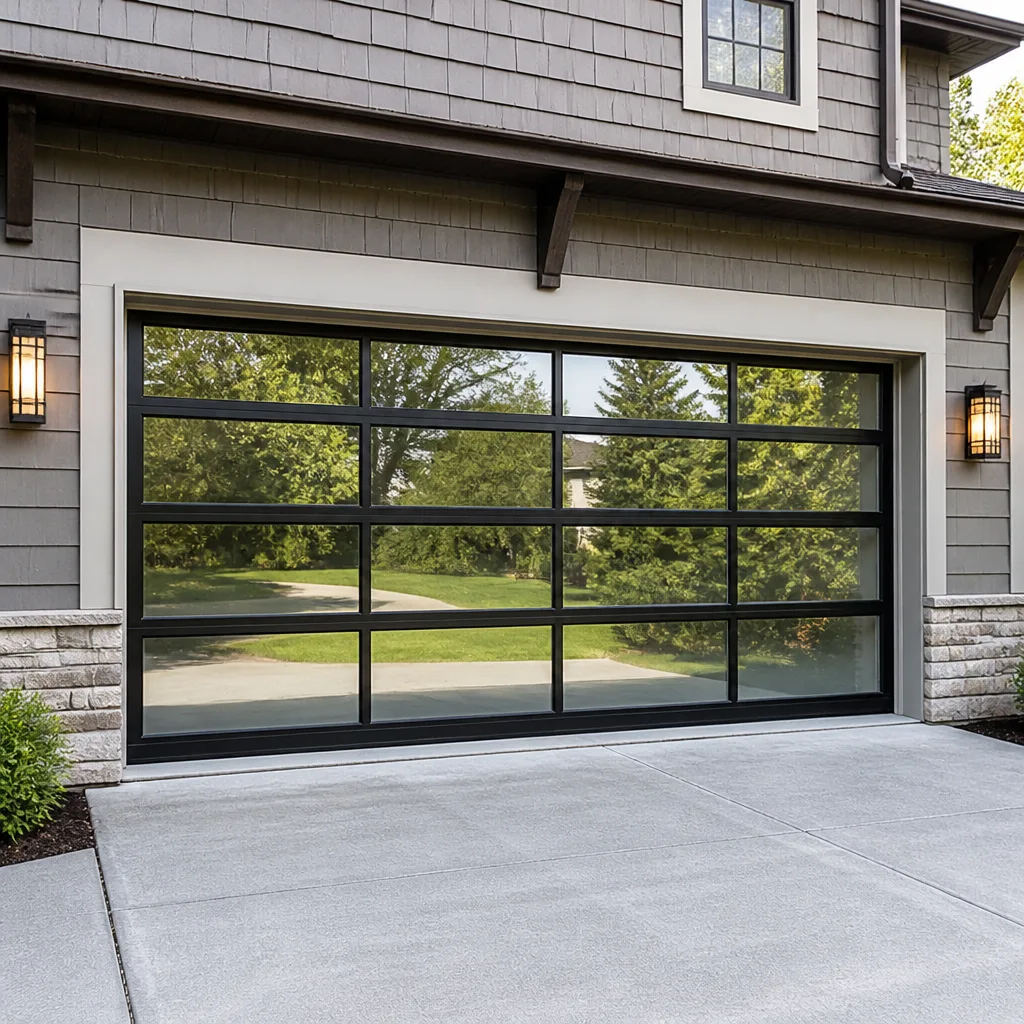 Full-view glass
 LiftMaster openers
 Chamberlain openers
Full 25-point door and opener safety check with every visit - springs, cables, rollers, tracks, and your LiftMaster or Chamberlain opener included
You get a price before we start. It does not change when the pro arrives.
Get your free estimateSeasonal Garage Door Care for Cambridge: Year-Round Homeowner’s Guide
The busiest repair window in Cambridge isn’t January. It’s late February into March, when temperatures swing forty degrees in a week and torsion springs that have been contracted all winter are suddenly asked to work at full extension again. That thermal cycling, not raw cold, is what snaps springs. Most homeowners assume the danger is deep winter or high summer, so they skip the in-between weeks when the real stress happens. This guide is built around three high-stress windows a Cambridge garage door actually passes through each year, what to check inside each one, and which single skipped task leads to the most expensive repairs.
Quick Answer
Seasonal garage door care in Cambridge works best around three stress windows rather than four equal seasons: late February into March (thermal cycling that breaks springs), early summer (humidity that swells panels and binds tracks), and late fall (freeze-thaw that ruins weatherstripping and seizes release cables). Inspect and lubricate before each window opens, and you head off most emergency calls before they start.
Styles & brands we work with
- Raised-panel steel
- Carriage house
- Modern flush
- Full-view glass
- LiftMaster openers
- Chamberlain openers
Table of Contents
- The Late-February to March Thermal Stress Window
- Spring Coil Gaps and Bottom Seal Compression
- Pre-Summer Humidity Prep for Cambridge Garages
- The Fall Weatherstripping Audit
- Winterizing an Opener in an Unheated Garage
- The Manual Release Cable Inspection Everyone Skips
- Common Mistakes to Avoid
- When to Call a Professional
The Late-February to March Thermal Stress Window
Cambridge sits in a climate that treats a garage door to real cold snaps and then yanks it back toward thaw within days. A torsion spring that sat contracted through a cold stretch has spent weeks at a smaller coil diameter than its resting shape. When the first sustained warm spell arrives, the steel relaxes quickly, and any hairline fatigue in a coil turns into a snap. That’s why a door that worked all January can fail on a mild March morning. This is the window to act before the season changes underneath you, not after.
Before the first sustained warm spell, work through this checklist:
- Listen to the door during a full cycle. A sharp crack or a loud bang at the start of travel is a spring telling you something.
- Look at the coils for gaps, bright exposed metal through the powder coat, or uneven spacing (we cover this in the next section).
- Lubricate the torsion bar bearings and hinges with a garage-door-rated lubricant, not heavy grease that stiffens in cold.
- Test the balance by opening the door halfway and letting go. It should hold roughly where you left it, not slam down or drift up.
- Check the bottom seal for the flat spots cold weather leaves behind, so it seats correctly once the door frame relaxes.
The early-spring pass is the one that pays for itself. Doors we service ahead of the March swing tend to sail through it; doors that wait usually don’t.
Spring Coil Gaps and Bottom Seal Compression
Two specific components tell you the most about a door’s health before the thermal window opens: the spring coils and the bottom seal. Both wear in ways you can see without touching anything dangerous.
Reading a torsion spring’s coils
A healthy torsion spring has tight, even spaces between its coils. When you see a clear gap open up along the length, or a section where the coils look flattened against each other, the spring is telling you it has stretched or fatigued. Bright metal showing through the coating at the same spot means the steel underneath is exposed. If you spot a gap, unseated coil, or exposed metal, stop using the door and have it checked.
We want to be plain here: torsion springs are under serious stored tension, and a spring that lets go can cause serious injury. Do not try to wind, unwind, or replace a spring yourself. Treat a suspected spring problem as a call-out, not a weekend project. If your spring has already snapped, our garage door spring repair handles it safely.
Bottom seal compression
Run a hand along the bottom rubber on a chilly morning. A seal that has compressed into a flattened strip at the door’s center stops keeping out cold air, and once the warmer weeks arrive that gap turns into a draft, a pest entry point, and a place where driving rain gets under the door. If the rubber feels hard or has left a permanent dent, it’s ready for replacement.
Pre-Summer Humidity Prep for Cambridge Garages
Cambridge summers bring high dew points, and a garage without climate control feels every bit of it. That matters for doors with wood composite panels. Composite takes on moisture through unfinished edges and where the panel meets its frame, and it swells slightly as it does. A door that tracked smoothly in May can start catching at the rollers in July, and the roller is usually blamed when the panel is the culprit.
Here’s how to prep before the sticky stretch arrives:
- Check the track for binding points. Run the door manually (opener disconnected) and feel for spots where it drags. A swelling panel pushes against the track, and catching is usually worst at the top or bottom of travel.
- Wipe and inspect composite panel edges. Look for swelling, cracking, or a soft edge where moisture has gotten in. If you find it, it’s a repair question, not something to push through the season.
- Set opener travel limits correctly before it becomes a service call. On a LiftMaster or Chamberlain unit, the open and close limits are set during install and can shift as a door’s panels swell and change shape. If the door stops short, reverses too early, or hits the frame, the limits need a reset rather than a shove.
- Clean and test the safety sensors. Summer heat and humidity can fog the lenses. A wiped lens and a clear beam solve a surprising number of “won’t close” complaints.
If the door starts reversing, stopping short, or acting like it has a mind of its own after a humid week, that’s usually an opener or adjustment question, and our garage door opener repair covers LiftMaster, Chamberlain, Genie, and the rest of the brands we work on. A quick adjustment in June beats a July breakdown.
The Fall Weatherstripping Audit
Cambridge’s wet leaf season is the hardest test a garage door seal faces all year. Wet leaves against a door’s bottom and doorjamb hold moisture in place for weeks, and then the first freeze arrives and water trapped in that seal expands. That freeze-thaw cycle is what turns a soft seal brittle and cracked by winter.
Not all weatherstripping survives equally. Here’s what to know:
- Foam-core seals degrade fastest. Closed-cell foam is cheap and quick to install, but it takes on water at any nick in the skin and then splits as it freezes and thaws. On a Cambridge door it may need replacing every year or two.
- Solid rubber seals hold up better. A dense rubber bottom seal with a hollow or bulb profile flexes through freeze-thaw without absorbing water, and it keeps holding a seal through the wet months.
- Perimeter brush and vinyl jamb seals keep leaves and driven rain out of the gap between door and frame. This is where most fall drafts get in, and where wet leaf litter collects and stays wet.
Do your audit on a dry day in early fall. Run a hand around the full perimeter and feel for gaps, pinch the bottom seal to check it’s still soft, and look at the edges of the door for rust where wet leaves have been sitting. Replace what’s failing before the first hard freeze, not after.
Winterizing an Opener in an Unheated Garage
Plenty of Cambridge garages aren’t heated, and that changes how the opener behaves once temperatures drop. Cold affects three things on an opener: the battery in the backup unit, the grease on the screw or rail, and the belt on a belt-drive unit.
Battery backup
A LiftMaster or Chamberlain opener with battery backup will keep letting you in and out during a power outage, but a cold battery holds less charge and drains faster. Test the backup at the start of winter by unplugging the opener and cycling the door. If it strains or won’t run the full travel, the battery needs replacing before snow and ice season. That backup is what keeps your car from being trapped in the garage during a storm outage.
Belt and screw drives below freezing
Below 0°F, a belt-drive opener’s belt stiffens and the door can move more slowly or strain through the first cycle of the morning. A screw-drive unit handles cold more evenly but wants its lubrication checked. Belt and screw drives both need a light, cold-rated lubricant on the moving joint, not a heavy grease that turns to sludge in the cold. Genie and Raynor units fall on different sides of this, so match the lubricant to the drive type.
Once the cold sets in, the door can behave slower on the first cycle of a very cold morning. That’s the belt waking up, not a failing opener, but a persistent slowdown or strain is worth a look.
The Manual Release Cable Inspection Everyone Skips
This is the single task Cambridge homeowners skip most years, and it’s the one that leads to the most expensive repairs. The manual release cable is the cord that lets you disengage the door from the opener by hand when the power is out, the opener fails, or your car is trapped. It gets skipped because the door works fine, so nobody thinks about it. Then the first ice storm arrives, the power goes out, and the homeowner pulls a cable that’s been stiff, snagged, or rusted since the last cold season.
Here’s the inspection to do before the first ice storm:
- Locate the release handle and confirm the cord runs freely from your reach to the trolley.
- Pull it once while the door is down and confirm it disengages cleanly, then re-engage and confirm the trolley locks back in.
- Check the cable for fraying, rust, or a kink and check that it clears the door frame without catching.
- Make sure the handle hangs low enough to grab without a step stool, especially if the door is high.
A cable that snaps or jams during an outage leaves the door stuck, and getting a jammed door back into service is a bigger job than replacing the cable. Do the test while the weather is mild. It takes two minutes.
Common Mistakes to Avoid
- Waiting for spring to service the springs. The thermal swing from late February into March is when springs fail. Inspect in late winter, before the warm spell, not after the snap. By the time the door sounds wrong, the spring is already the problem.
- Greasing track surfaces to fix a binding door. Lubrication belongs on the hinges, rollers, and spring bar, never the track itself. Grease on the track collects grit and makes a swelling door bind worse in Cambridge’s humid summers.
- Forcing a swelling composite door through a season. Pushing a door that’s catching at the rollers wears out the opener motor and the rollers. Adjust the track and travel limits once, and you save the whole opener from strain.
- Using foam weatherstripping in a freeze-thaw climate. A foam seal seems fine on installation and then splits during the first cold snap. Go solid rubber on a Cambridge door and skip the annual replacement.
- Ignoring the manual release cable until an outage. The one inspection that costs almost nothing is the one that prevents a jammed door in the worst weather. Do it before the ice arrives, not after.
- Resetting an opener’s travel limits without knowing the door’s weight and balance. Limits are set to the door’s actual motion. On a LiftMaster or Chamberlain, a limit set wrong can make the door close too hard and compromise its reversing safety function. Set it only when the door tracks correctly.
- Running a door with a suspected broken spring. A single broken spring on a two-spring door loads the other spring unevenly. Stopping use and getting it checked protects the door and everyone around it.
When to Call a Professional
Some jobs are inspections you can do yourself, and some are not. Call a trained technician if you spot a spring with an open coil gap, exposed metal, or a visible break; if the door won’t balance when opened halfway; if it reverses on its own, stops short, or slams down; if the manual release cable is frayed or won’t disengage; if a panel has swollen so it binds in the track and the travel limits won’t hold; or if your opener strains or slows through the cold despite a fresh battery. High-tension springs sit at the top of that list, and no homeowner should be winding one by hand. Our technicians have up to 11 years of experience and a single-trade focus on garage doors. Cambridge Garage Door Repair Pros offers free estimates in Cambridge – call (866) 254-2156. We answer 24/7. Fast dispatch from 7am to 7pm, Sunday through Friday. For general work, our garage door repair service handles everything from a binding track to a door that won’t open at all.
See the difference
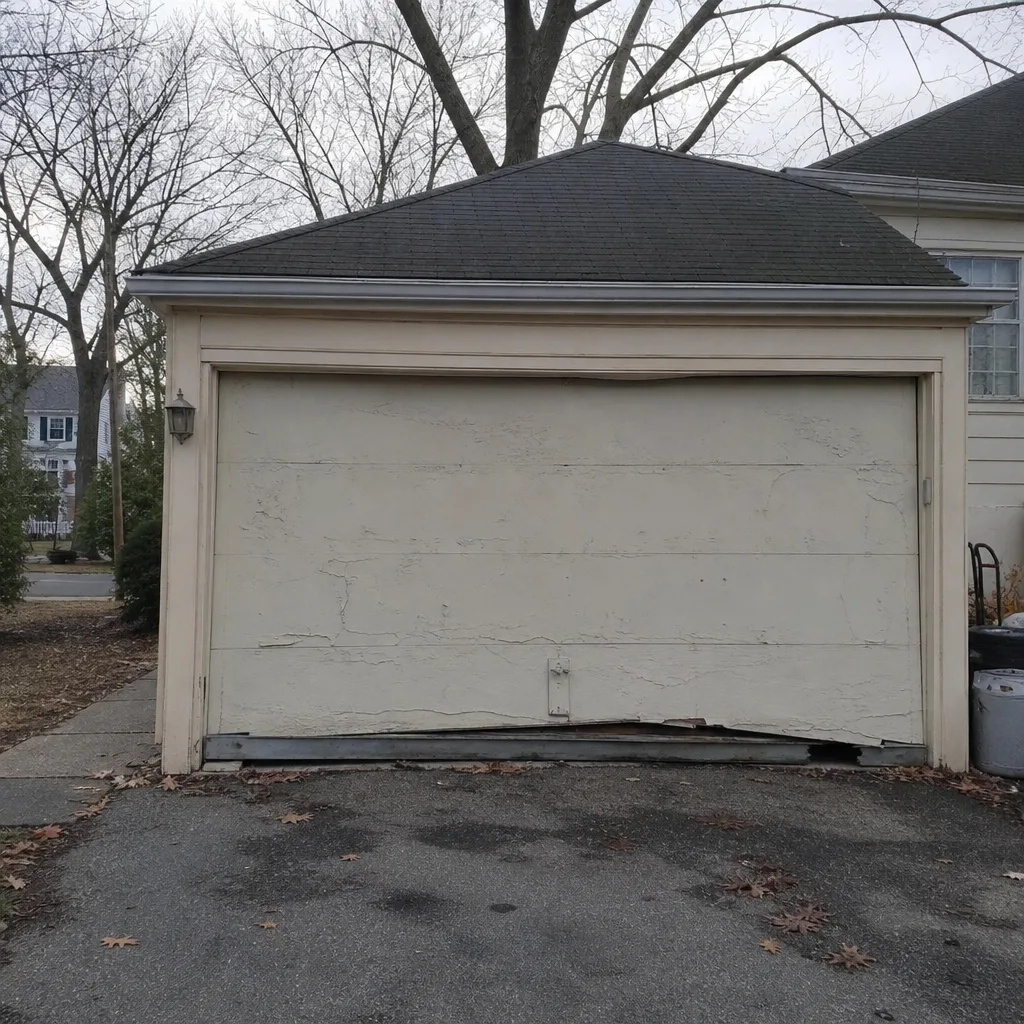 Before
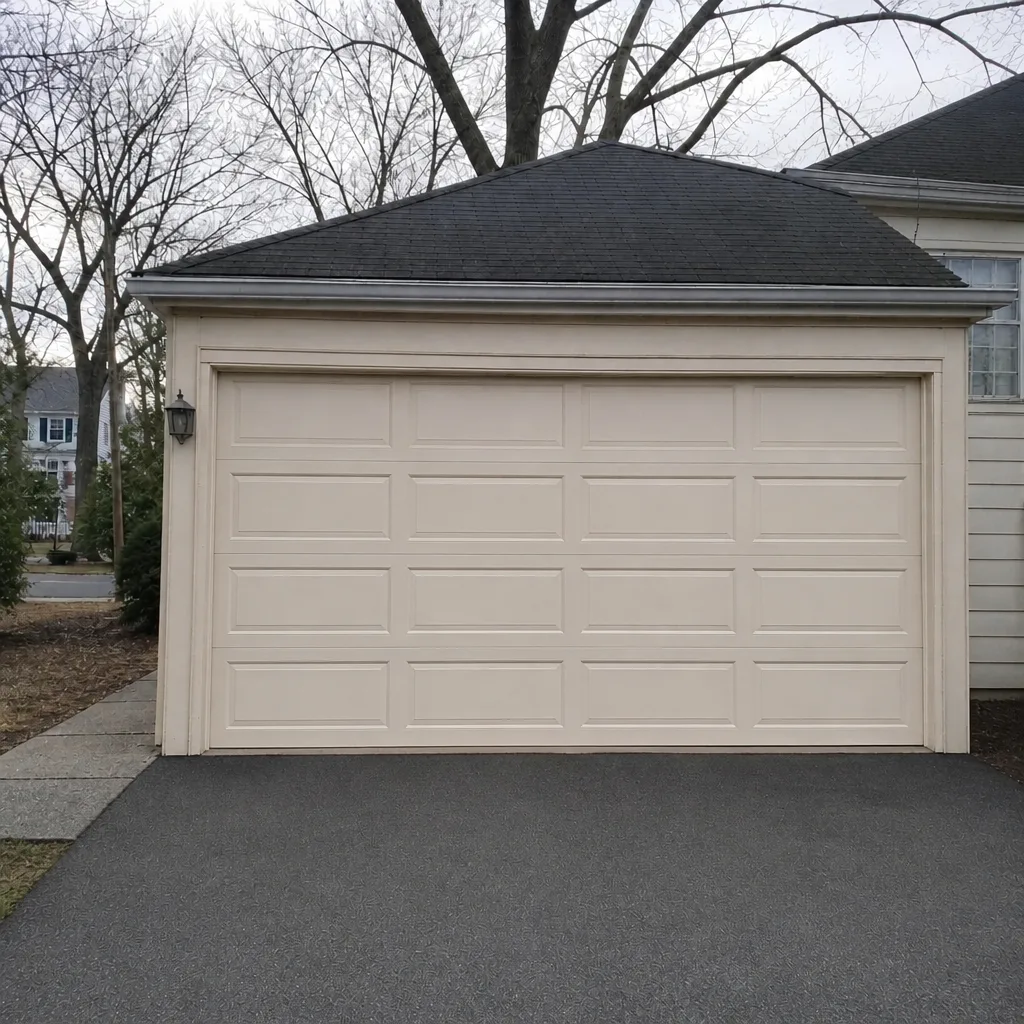 After
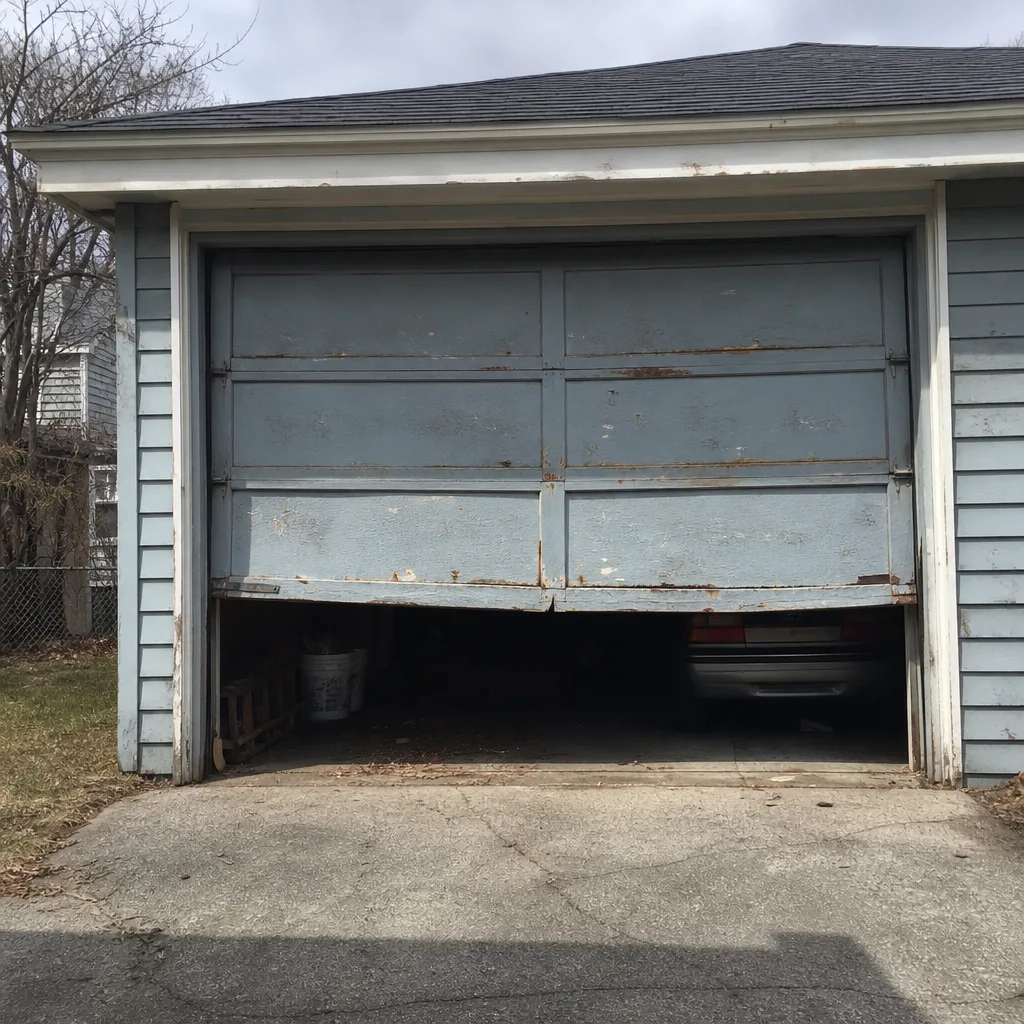 Before
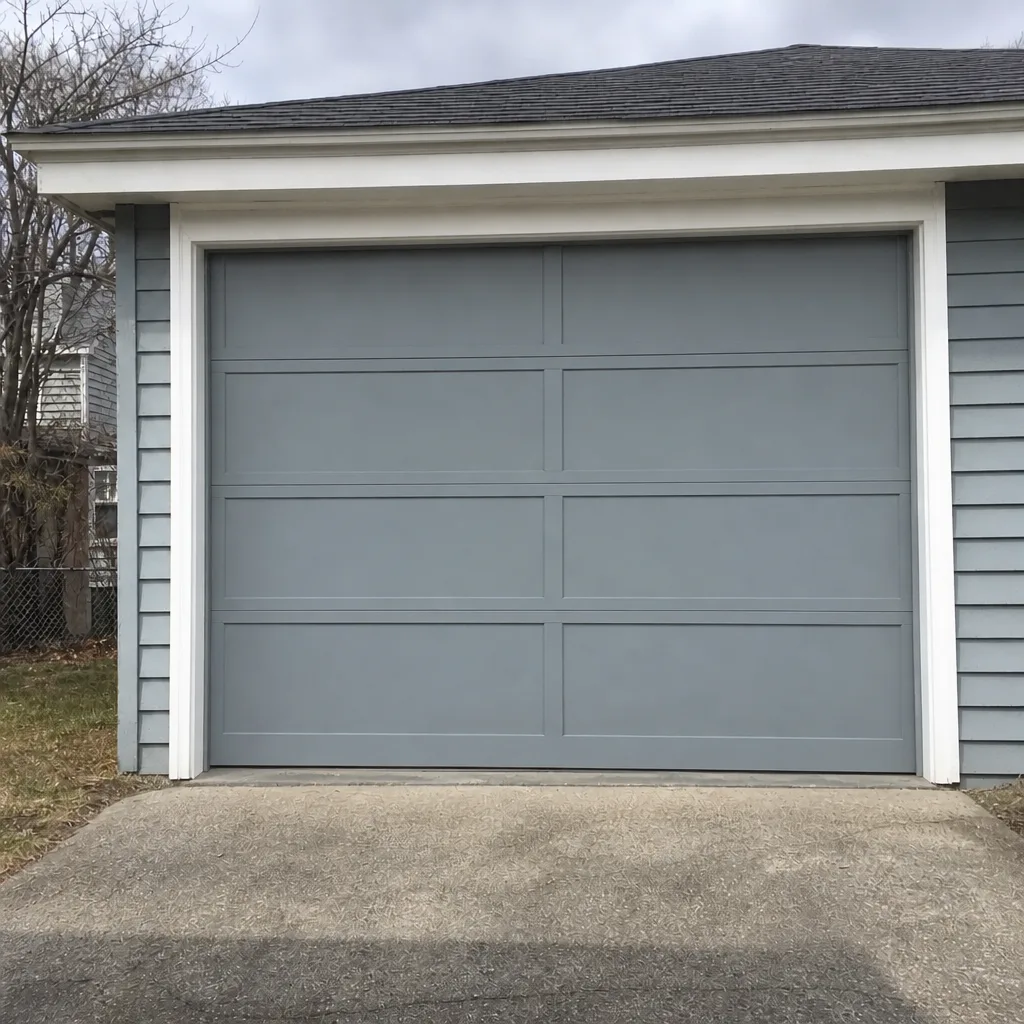 After
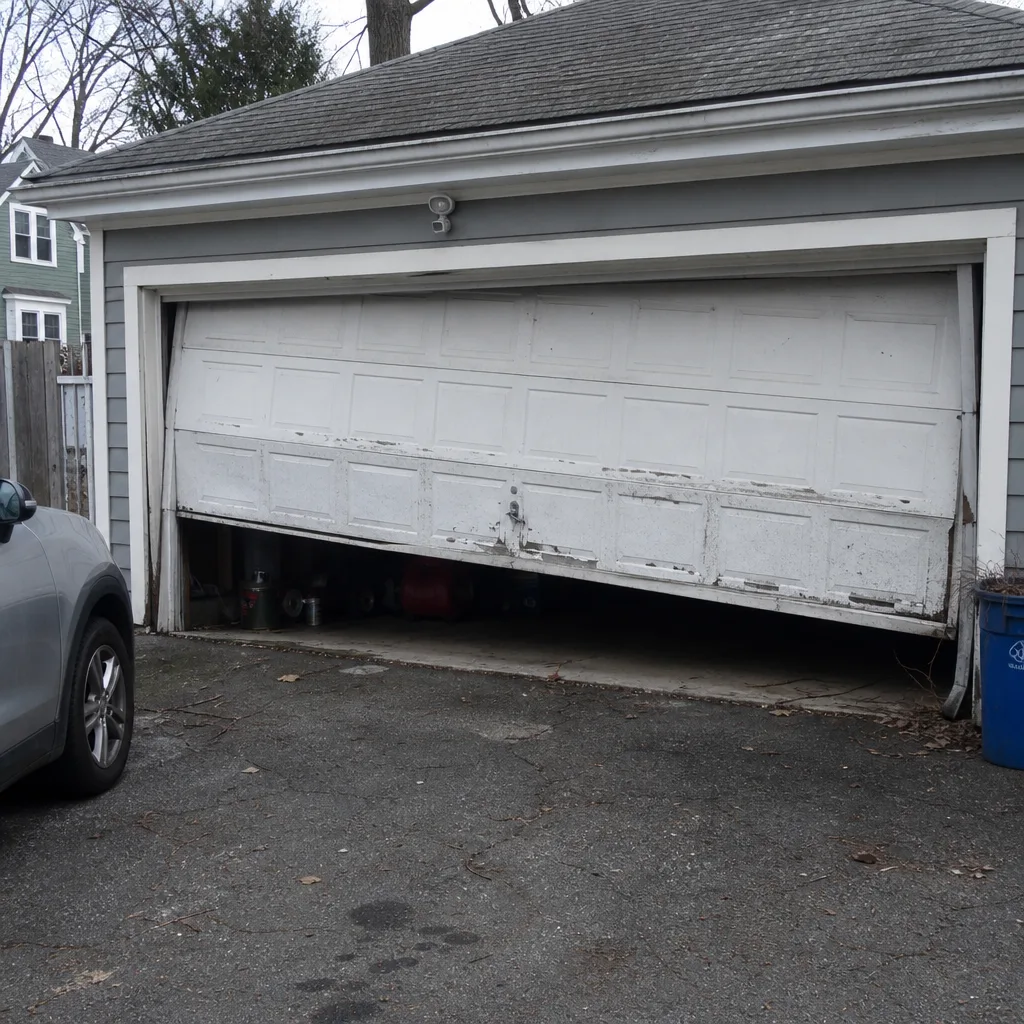 Before
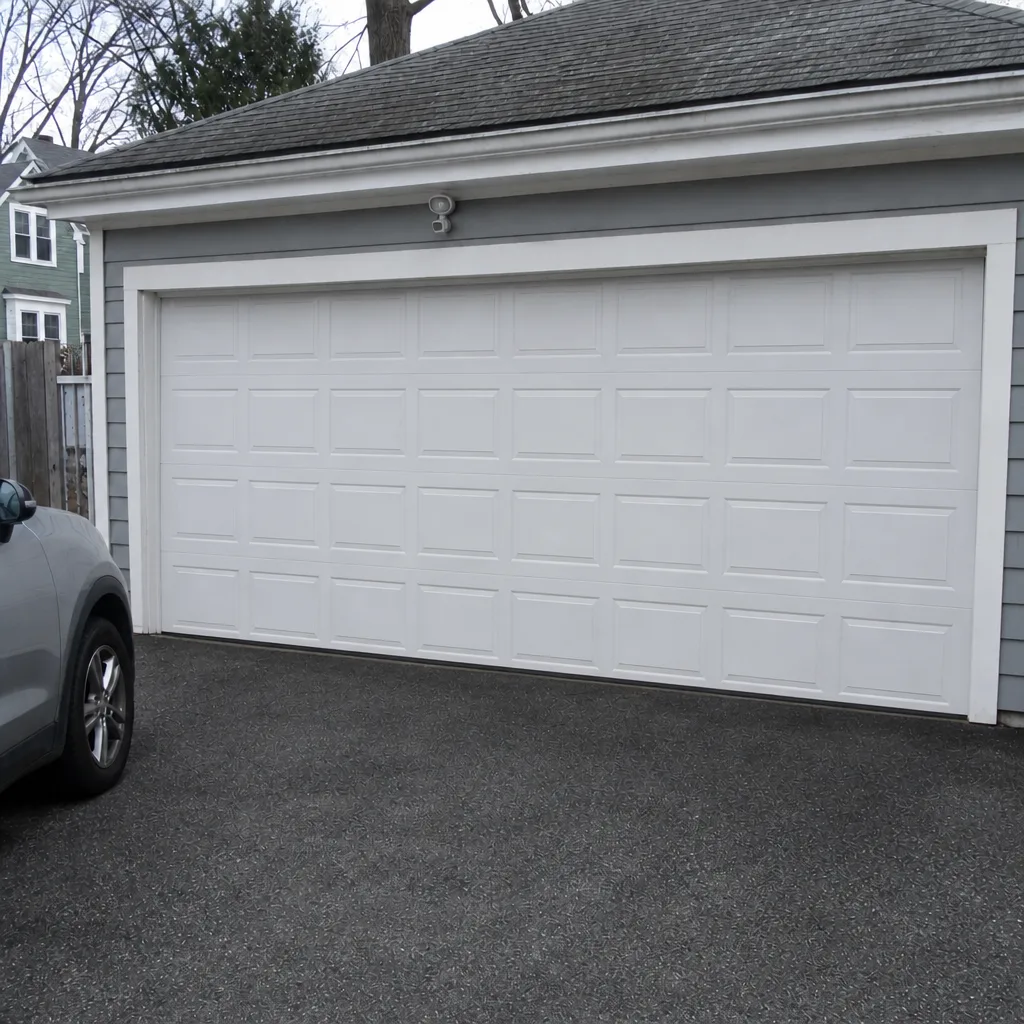 After
Frequently Asked Questions
Late winter, before the first sustained warm spell, is the single most important time to have a Cambridge garage door serviced. The thermal swing from late February into March stresses torsion springs the most, and a checkup and lubrication ahead of it prevents the majority of spring failures. A second pass in early fall, before the freeze, covers weatherstripping and the release cable for winter.
Because it’s thermal cycling, not raw cold, that snaps springs. A spring that sat contracted through winter is suddenly asked to work at full extension when the first warm week arrives, and any fatigue in the steel lets go at that moment. The cold weeks weaken the spring; the first thaw is what breaks it. That’s why we recommend inspecting coils in late February rather than waiting for the March swing.
You can’t reverse a panel that’s already swollen, but you can head it off. Keep composite panel edges sealed, check the track for binding points before the sticky stretch, and reset the opener’s travel limits when the door starts catching. On a LiftMaster or Chamberlain opener, a correct limit setting keeps the door from fighting a swollen panel all summer. If a panel has swelled enough to bind, it’s a repair question.
Solid rubber bottom seals hold up best. They flex through freeze-thaw cycles without absorbing water the way foam-core seals do. Foam seals split during the first cold snap after a wet fall, so on a Cambridge door they tend to need annual replacement. Pair a rubber bottom seal with vinyl jamb seals to keep leaves and driven rain out of the perimeter gaps.
The opener keeps working, but a few things change. The battery in a backup unit holds less charge in the cold and can drain faster, so test it before snow season. A belt drive stiffens below 0°F and may move the door more slowly on the first cycle of a very cold morning, and both belt and screw drives need a cold-rated lubricant rather than a heavy grease. A persistent slowdown or strain is worth having checked.
Yes, spring repair is one of the jobs we handle same-day. Springs sit at the top of the danger list and shouldn’t wait, so call us and we’ll book the work as soon as we can. Call (866) 254-2156 for an exact quote – estimates are free. We answer 24/7. Fast dispatch from 7am to 7pm, Sunday through Friday.
The Bottom Line
Cambridge’s garage door doesn’t wear evenly across four seasons. It goes through three stress windows a year, and each one has a short list of checks that heads off the expensive repairs. Inspect and lubricate coils and seals in late winter before the thermal swing; prep tracks and travel limits in early summer before the humidity binds a swollen panel; audit weatherstripping and the release cable in early fall before the freeze. Do those three passes and most emergency calls never happen. Skip them, and the March spring snap or the winter release-cable jam becomes the thing you’re calling about. Call (866) 254-2156 for a free estimate on anything this guide tells you to flag.
When you want the whole job handled by a specialist, Cambridge Garage Door Repair Pros is the place to start: Cambridge Garage Door Repair Pros.
Written by the team at Cambridge Garage Door Repair Pros.