
Last updated November 21, 2026
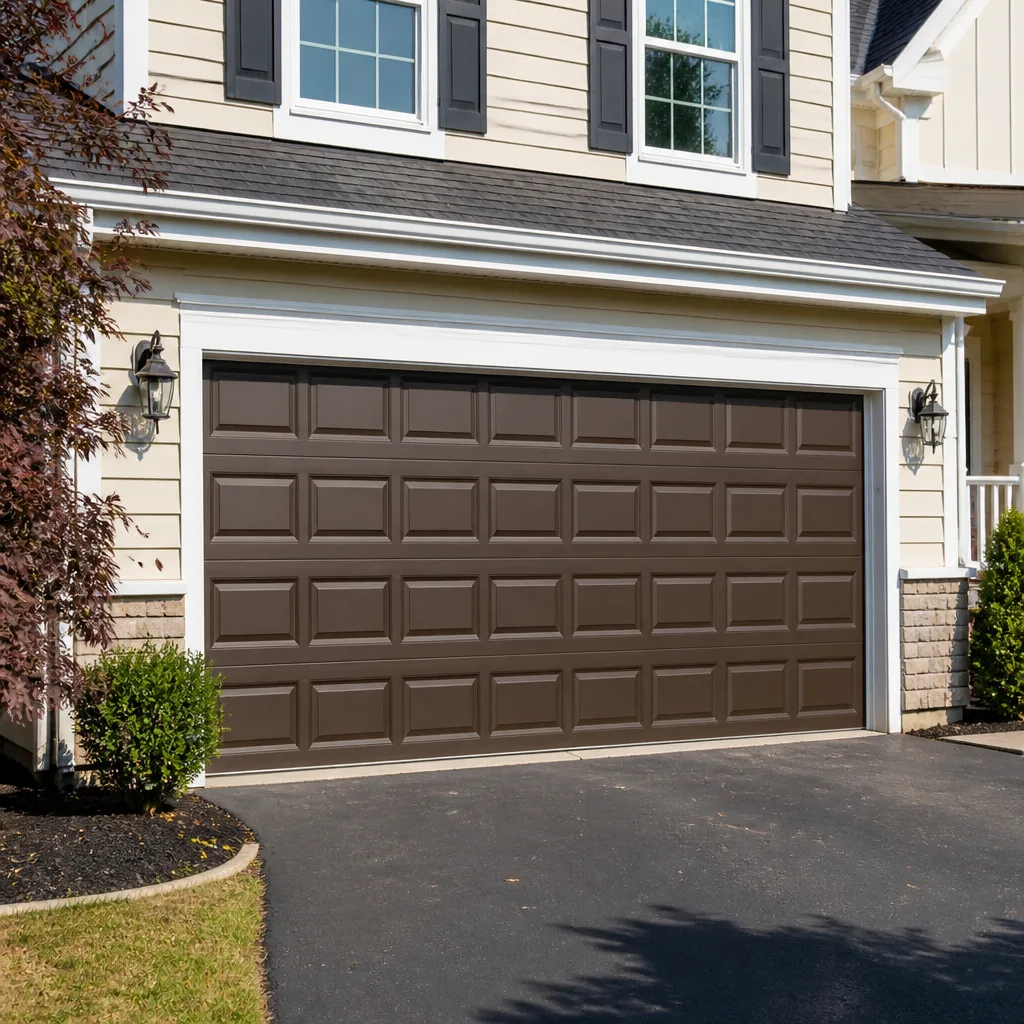 Raised-panel steel
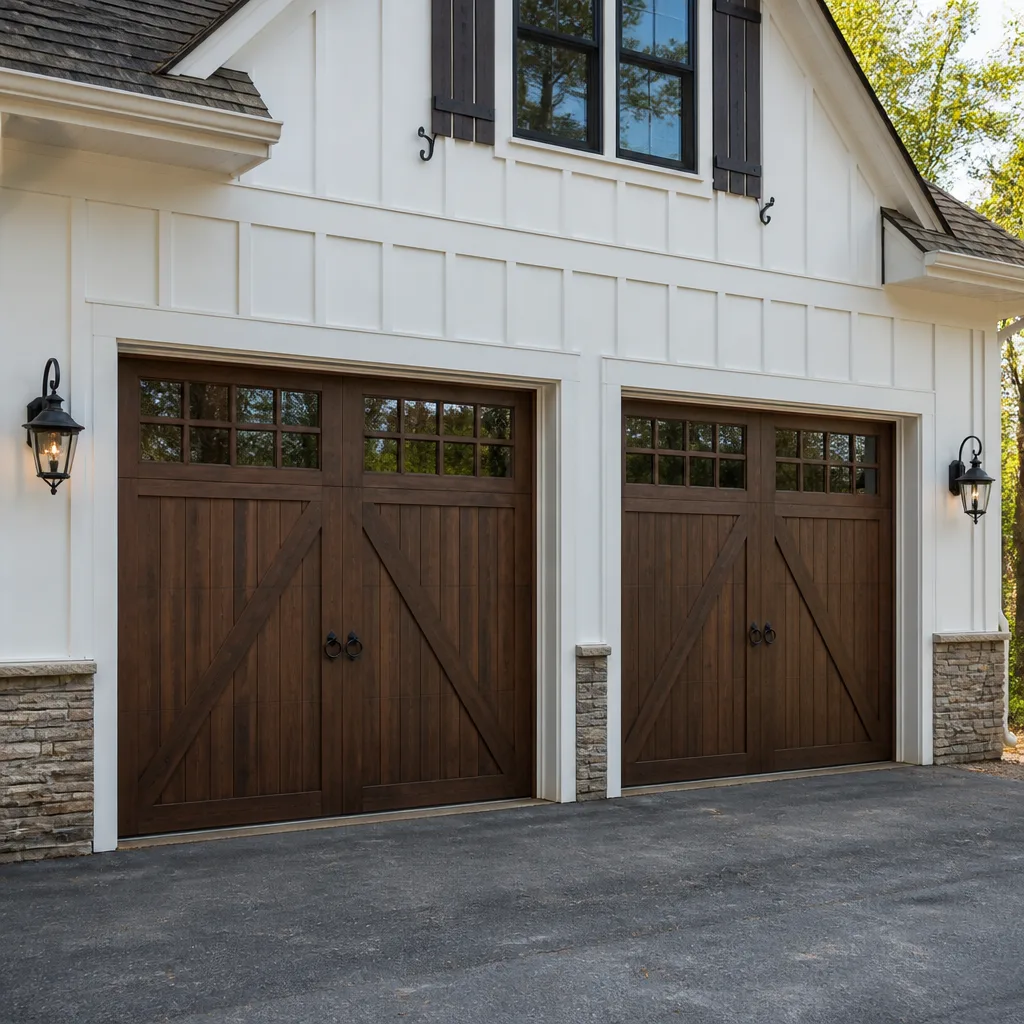 Carriage house
 Modern flush
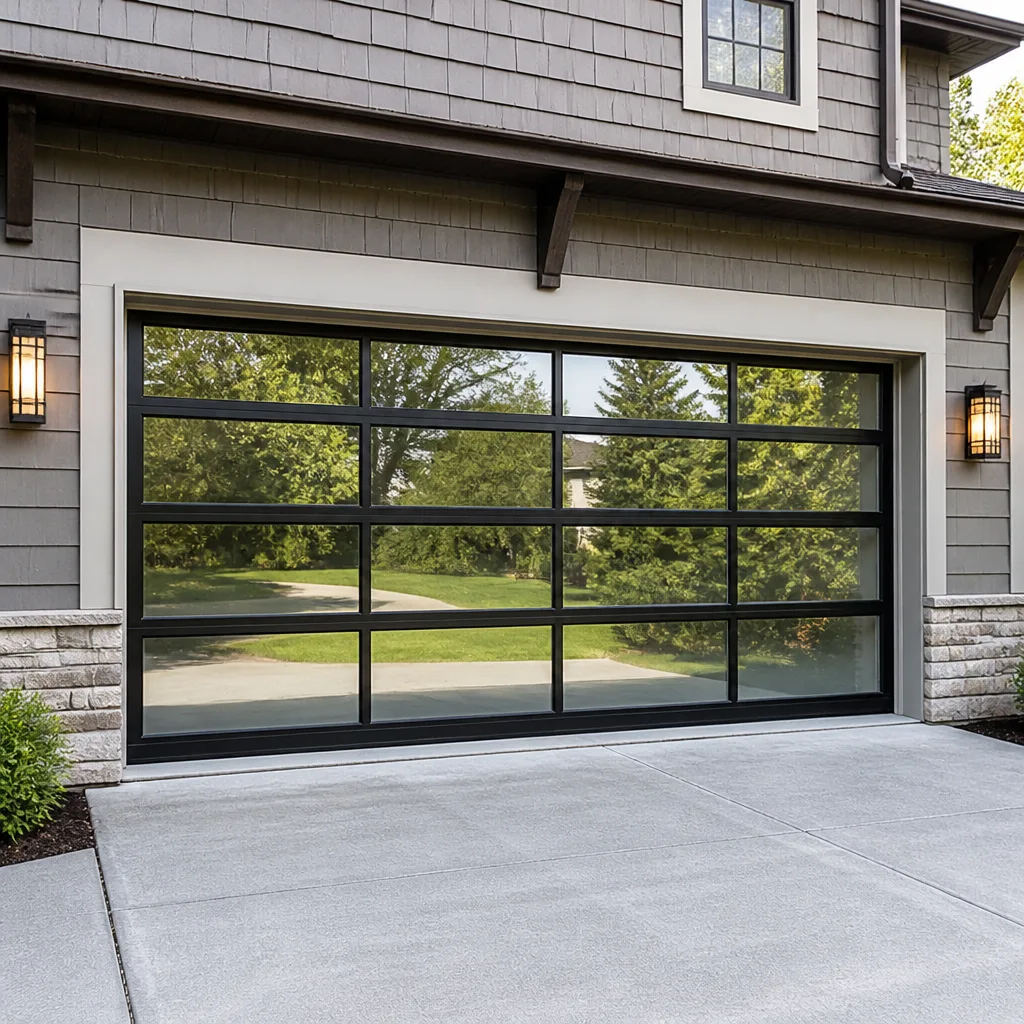 Full-view glass
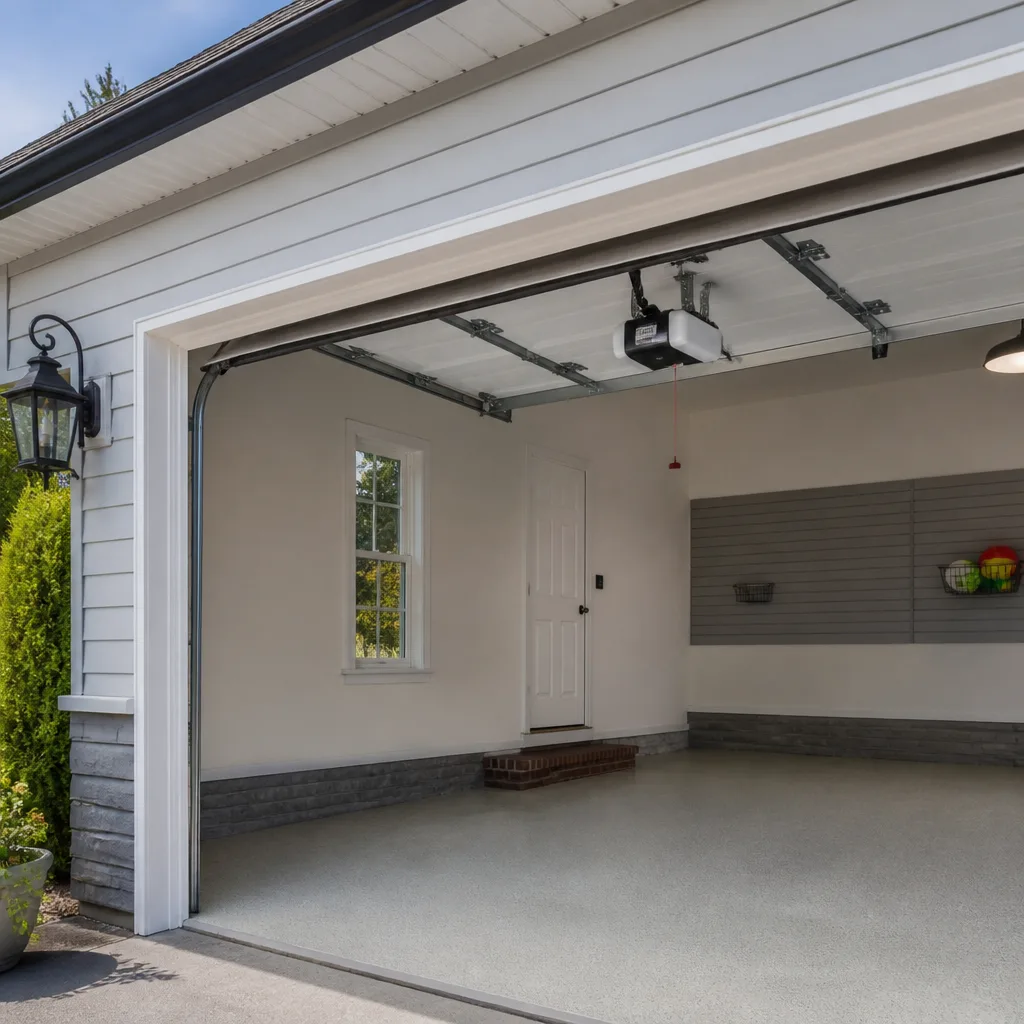 LiftMaster openers
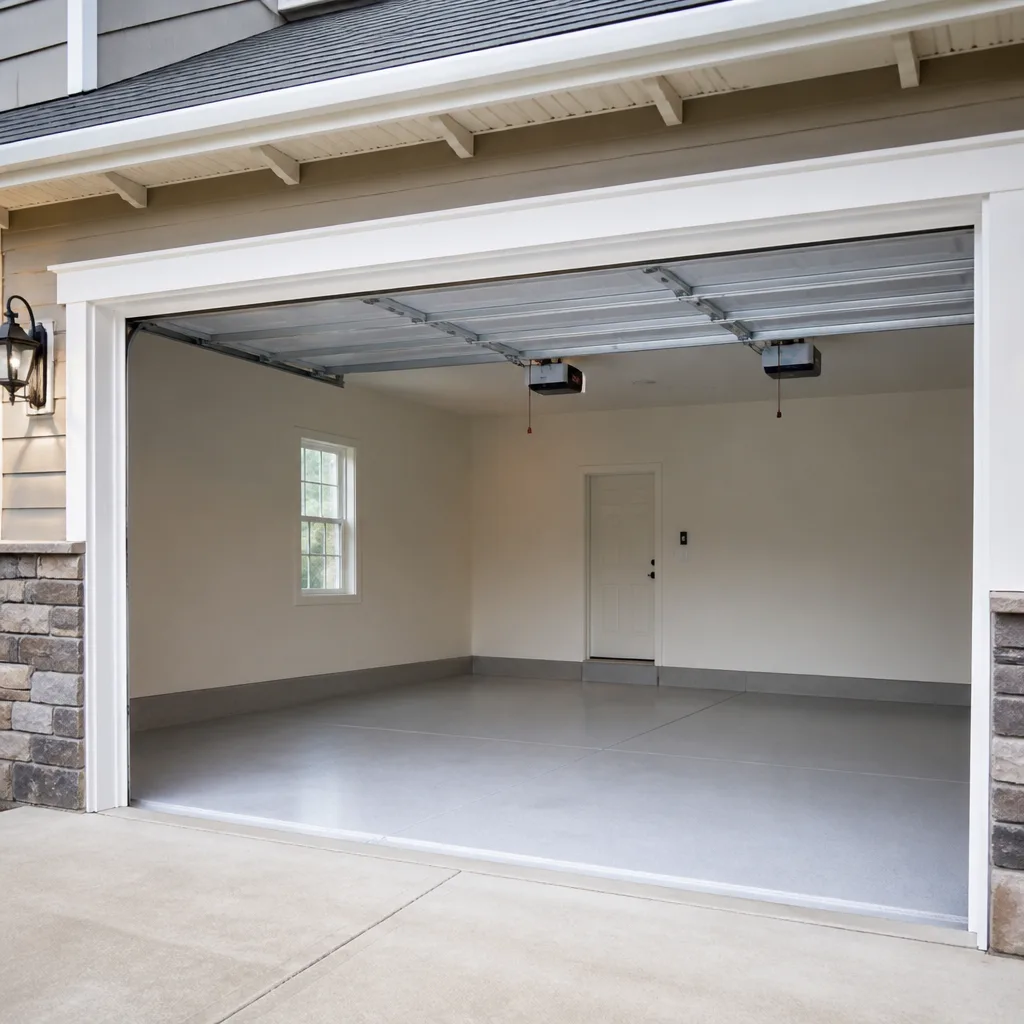 Chamberlain openers
Full 25-point door and opener safety check with every visit - springs, cables, rollers, tracks, and your LiftMaster or Chamberlain opener included
You get a price before we start. It does not change when the pro arrives.
Get your free estimateHow to Hire a Garage Door Contractor in Cambridge: A Step-by-Step Guide
Cambridge has no shortage of general handymen who list “garage doors” on their service menu. A torsion spring system under 150 to 200 ft-lbs of torque is not a general handyman job, and in Massachusetts the distinction matters more than most homeowners realize: spring work done without the right training and the right paperwork can turn a repair into an injury claim. This guide walks you through exactly what to verify, what to ask, and what documentation to request before you sign anything, so the contractor you hire in Cambridge is genuinely qualified for the hardware on your door.
Styles & brands we work with
- Raised-panel steel
- Carriage house
- Modern flush
- Full-view glass
- LiftMaster openers
- Chamberlain openers
Quick Answer
To hire a garage door contractor in Cambridge, verify three things before work starts: a current Home Improvement Contractor (HIC) registration you can check yourself on the state’s Office of Consumer Affairs database, a certificate of general liability insurance plus workers’ compensation coverage, and evidence the contractor actually specializes in garage doors rather than treating them as a side job. Ask about torsion spring experience, brand familiarity, and whether they stock or order your specific hardware. A contractor who can answer those questions in detail is the one worth hiring. If they dodge them, keep looking.
Table of Contents
- Why a Garage Door Specialist Beats a General Handyman in Cambridge
- Step 1: Verify HIC Registration in Massachusetts
- Step 2: Require the Right Insurance Documents
- Step 3: The Five Questions That Reveal a Real Specialist
- Step 4: Red Flags in a Cambridge Garage Door Quote
- Step 5: How to Compare Quotes Fairly Across Brands
- Understanding Torsion Springs (and Why They Demand Caution)
- Cambridge Climate and Housing: What Your Door Actually Faces
- Common Mistakes to Avoid
- When to Call a Professional
- Frequently Asked Questions
- The Bottom Line
Why a Garage Door Specialist Beats a General Handyman in Cambridge
Garage doors are their own trade. The springs, cables, tracks, and openers on a typical Cambridge door form a system where every part affects the others, and the technician who works on them every day understands that system in a way a generalist simply can’t. That matters most when something goes wrong: a door that runs rough, a door that reverses halfway down, an opener that strains. A specialist diagnoses the actual cause. A generalist often replaces parts until the problem goes away.
The gap shows up in the hardware itself. Different lines of openers and doors have different mountings, different logic boards, different safety-reversal behaviors. We work across LiftMaster, Chamberlain, Genie, Clopay, Amarr, Wayne Dalton, Craftsman, and Raynor because those brands cover the vast majority of what’s actually installed in Cambridge homes and small commercial buildings. Knowing a Chamberlain opener’s travel-limit adjustment or a Raynor door’s track configuration cold means the right part gets ordered the first time, not the second or third.
There’s also a safety argument. The torsion spring above your door stores enough energy to cause serious injury if it’s released under load, and the cables under tension are just as dangerous. A contractor who mostly handles painting and drywall may not have the tools, training, or habit of care that this work requires. When you’re hiring in Cambridge, look for someone whose entire trade is garage doors. Springs, openers, panels: that’s the whole job, all day. It’s the difference between a specialist and a dabbler, and your door is worth the wait.
Step 1: Verify HIC Registration in Massachusetts
Massachusetts requires home improvement contractors to register as Home Improvement Contractors under the state’s contractor registration rules. This registration is administered through the Office of Consumer Affairs and Business Regulation, and one of its most useful features for homeowners is that you can look a contractor up yourself. Before you book any garage door work in Cambridge, take five minutes and run the check.
- Get the contractor’s legal business name exactly as it appears on their written estimate or contract, not just the name on their truck or website.
- Ask for their HIC registration number in writing. A legitimate contractor provides it without hesitation.
- Search the Office of Consumer Affairs database for that registration number and confirm the status is current, not expired or suspended.
- Check the name matches the business you’re hiring. A mismatched name is a reason to pause and ask questions.
- Keep a copy of the registration with your signed contract for your records.
This step matters in Cambridge because the local housing stock is old and varied: two-families, triple-deckers, converted carriage houses, and newer infill construction all sit within a few blocks of each other. Old doors on old openings often need more than a part swap, and a registered contractor working under the state’s home improvement rules is accountable in a way an unregistered one isn’t. If a contractor can’t produce an HIC registration, that’s your answer. Find someone who can. Registration doesn’t guarantee great work, but the absence of it tells you something important.
Step 2: Require the Right Insurance Documents
Insurance is where a lot of Cambridge homeowners stop asking questions too early. “They said they’re insured” is not verification. Ask for the certificate of insurance and look at it. Two coverages matter for garage door work, and they do different jobs.
General liability insurance protects you if the contractor damages your property during the job: a dented panel, a cracked window, a scrape along the door frame. For spring and door work specifically, confirm the policy is active and the coverage limit is realistic for the scope. Ask the contractor to have their insurer send the certificate directly to you, or provide a current copy they can verify.
Workers’ compensation insurance is the one homeowners most often overlook. A two-person garage door shop still needs it, because if a technician is injured on your property and the contractor doesn’t carry workers’ comp, the claim can come back to you as the homeowner. Ask for the workers’ comp certificate even when the crew is small. A contractor who carries it and can show you the certificate is telling you they run their business properly.
- Request the certificate of insurance before the work is scheduled, not after.
- Check that the certificate names the coverage types and that the dates are current.
- Confirm workers’ compensation coverage specifically, not just general liability.
- Keep the certificate with your contract and HIC record.
None of this is distrust; it’s how a professional homeowner hires in Cambridge. The contractors who do good work expect you to ask and have the paperwork ready when you do.
Step 3: The Five Questions That Reveal a Real Specialist
You don’t need to know the trade to spot a specialist. You need five questions, asked in plain language, and a sense of whether the answers are specific or vague. A true garage door contractor will enjoy these. A generalist will get uncomfortable.
- “How many torsion spring jobs do you do in a typical week?” You’re listening for a number that reflects real practice. Someone who does spring work regularly will answer easily. Someone who occasionally swaps a spring will fumble.
- “Which brands of hardware do you stock, and which do you order?” A specialist knows their inventory and their ordering timelines. If they can’t tell you the difference between what’s on hand and what has to be ordered, they’re likely arranging every job with a supplier and can’t speak to your specific door.
- “How do you determine which spring a door needs?” Springs are spec’d by wire size, inside diameter, and length, and matched to the door’s weight. Someone who works on them daily will explain this without hesitation. If the answer is “we just match the old one,” ask a follow-up.
- “Can you tell me the difference between standard-lift and high-lift track?” Cambridge has a mix of ceiling heights and door openings, and a contractor who works here should know when a door needs a different track configuration and why.
- “Which opener brands do you work with regularly?” A specialist names specific brands: LiftMaster, Chamberlain, Genie, Craftsman, and so on. A generalist only calls a supplier.
Ask these questions before you book, and listen for whether the contractor asks you questions back. A real specialist wants to know the door’s age, weight, opener brand, and how the door is currently running. If they seem uninterested, that tells you plenty. If they know your Craftsman opener’s quirks off the top of their head, that’s the kind of fluency a good hire looks and sounds like.
Step 4: Red Flags in a Cambridge Garage Door Quote
A written quote is useful when it’s specific. A written quote that hides the details behind general terms is a warning sign, not a bargain. Here’s what to look for.
- “Hardware and labor” as a single line item. This tells you nothing about which spring, which opener, or which parts you’re getting. Ask for the parts by name, brand, and size, and the labor separately.
- No brand name on the spring specification. Springs are spec’d by type, wire size, inside diameter, and length. If the quote doesn’t name these, the contractor is either guessing or expecting you not to care. Ask for them.
- Quotes that don’t distinguish standard-lift from high-lift track. These are different configurations for different openings. If the quote doesn’t specify, the contractor may not have looked at your actual track and headroom.
- Prices quoted over the phone with no site visit. A door’s weight, track, and spring spec aren’t visible in a phone call. A quote that skips the verification step is a guess, and it will likely change once the contractor is standing in your garage.
- No written HIC registration or insurance certificate. If they can’t produce either, you’re not just risking poor work; you’re risking an uninsured claim on your property.
- Pushy, time-limited language. A legitimate contractor doesn’t need to pressure you into signing today. If a quote has a “only valid today” sticker, ask why.
Cambridge quotes tend to vary widely, partly because the housing stock does. A newer door on a single-family home is a simpler job than an old door on a converted carriage house with non-standard headroom. The contractor who took the time to look at your specific door will give you a quote that reflects what’s actually there. The one who didn’t will give you a number that sounds good and an invoice that surprises you.
Step 5: How to Compare Quotes Fairly Across Brands
Price-shopping garage door work is only meaningful when the two quotes describe equivalent products. A quote for a Clopay door isn’t directly comparable to one for an Amarr door unless you know the tier and gauge of each. Here’s how to make a real comparison.
- Match the door series, not just the brand name. Both Clopay and Amarr make multiple series of doors in different tiers. A base-model quote against a premium-model quote is not a fair comparison even if the brand names are similar.
- Compare door thickness and insulation. Steel thickness and whether a door is insulated affect both cost and performance. If one quote is for a thinner door with no insulation and the other is not, the cheaper price makes sense. Ask which is which.
- Compare the opener separately. A LiftMaster or Chamberlain opener is a distinct line item from the door. Compare them on their own, and confirm the opener is compatible with any smart-home features you want.
- Compare spring types. A torsion system and an extension system are different. The quote should say which one yours is getting.
- Compare the warranty and who honors it. Ask what the warranty covers and who you call if something fails. A real warranty with a clear backer is worth more than a lower sticker price.
- Compare the labor and installation details. A quote that separates the work from the materials lets you see what you’re actually paying for. A lump-sum “install and materials” number hides it.
When you compare like with like, the decision usually becomes clearer. The cheapest quote for a door you don’t actually want isn’t a good deal. And the Boston-area market has enough variation in both product and labor that a thoughtful comparison is worth the effort. Ask for the door’s gauge, insulation, series, and opener model on every quote. Then compare the specs first and the price second. If a contractor can’t give you the specs, that’s the quote to set aside.
Understanding Torsion Springs (and Why They Demand Caution)
Torsion springs are the workhorses of most modern garage doors. And they’re the most dangerous single component in the system. A torsion spring stores the energy needed to counterbalance the door’s weight; the numbers involved are significant enough that a spring under tension must be handled with the correct winding bars and a clear understanding of the system. This is not a job for a homeowner, and it’s not a job for a general handyman. In Cambridge, where older and heavier doors are common, this is the single most important reason to hire a garage door specialist.
A proper spring replacement starts with measuring the door’s weight and matching it to the spring spec: wire size, inside diameter, and length. Get those wrong and the door either won’t balance, will strain the opener, or will wear out the spring fast. A trained technician takes those measurements as part of the job and can explain why the specific spring on your door was chosen. If your Cambridge garage door spring repair is being quoted without that detail, push back.
When to call a professional, no hesitation:
- A loud snap followed by a door that won’t lift.
- A door that feels unusually heavy when you lift it by hand (if it can be lifted at all).
- Visible gaps, bends, or rust in the spring coils.
- Opener running but the door not moving.
- Cables that appear loose, frayed, or off the drum.
Do not try to fix a torsion spring yourself, and don’t let someone who hasn’t done it professionally attempt it. We’ve seen the results of a spring released under load, and it’s the sort of thing that turns a simple repair into a hospital visit. A trained garage door technician will bring the right tools, the right spring, and the right approach. Our garage door spring repair service is built around doing this safely and doing it right.
Cambridge Climate and Housing: What Your Door Actually Faces
Cambridge’s climate puts real demands on the door and its hardware. Winters bring repeated freeze-thaw cycles that can work on the door’s seals, the track, and the opener’s moving parts. The salt and grit off the roads in winter add wear to the bottom seal and the door’s pivot points. Summer heat and humidity affect the door’s balance and can cause the springs and rollers to bind. Spring and fall bring abrupt shifts in temperature, which is when springs are most likely to fail after a long winter.
The housing stock matters too. Cambridge has a large amount of older construction, including two-families, three-deckers, and former carriage houses converted into garages. Those openings don’t always match modern standard dimensions. Some have limited headroom that rules out certain door types, or unique track configurations that require a contractor who can actually look and measure rather than assume. If your garage door opener repair in Cambridge involves a door that has always been a bit quirky, that history probably has something to do with the opening it was installed in.
Cambridge also has more than a few small commercial buildings, storage spaces, and multi-unit properties where the door is doing real work every day. Those setups need commercial-grade hardware and a contractor who handles both residential and commercial installs. Our garage door repair work covers the full range across Cambridge, and we regularly work with the door-to-opener system as a whole because that’s where the real diagnosis happens.
Common Mistakes to Avoid
- Hiring on price alone. The cheapest quote in Cambridge is not the best value if it means unregistered work, uninsured labor, or parts that don’t match the door. Compare specs first, price second.
- Skipping the HIC check. Homeowners often assume the contractor’s website is enough verification. The state’s Office of Consumer Affairs database is the actual record, and running it takes a few minutes.
- Not asking for workers’ comp. General liability is the coverage people remember. Workers’ comp is the one that protects you if someone is injured on your property.
- Accepting a lump-sum quote. A quote that doesn’t separate parts by brand from labor is hard to compare and leaves you guessing what you’re getting. Ask for a breakdown.
- Letting a generalist near a torsion spring. A torsion spring under tension needs a trained specialist and the right tools. A handyman without both is a risk to themselves and to you.
- Ignoring the opener’s behavior after a spring repair. Springs and openers are a system. When one is fixed, the other should be checked. A contractor who doesn’t look at the opener is missing half the picture.
- Failing to write down the door’s model and spring spec. Keep the paperwork. When it’s time for the next repair or a full installation, knowing what’s on your door makes it faster and cheaper to diagnose.
When to Call a Professional
Some garage door problems are annoying. Others are dangerous or urgent. Call a professional if the door won’t open or close, if the spring has snapped, if the opener runs but the door doesn’t move, if the door is coming down crooked, or if you can see frayed cables, bent tracks, or a misaligned panel. Call immediately if a car is trapped inside, if the door won’t secure the building, or if a spring has failed visibly. Those are situations where a specialist needs to be on the job. Our garage door opener repair and emergency service are built for exactly these moments. Cambridge Garage Door Repair Pros offers free estimates in Cambridge. Call (866) 254-2156. We answer 24/7. Fast dispatch from 7am to 7pm, Sunday through Friday.
Frequently Asked Questions
Ask the contractor for their HIC registration number in writing, then look it up on the Massachusetts Office of Consumer Affairs and Business Regulation database. Confirm the registration is current and that the name on the registration matches the business name on your quote. If the contractor can’t produce a number, don’t hire them. Call (866) 254-2156 for a free estimate from a registered Cambridge contractor.
At minimum, general liability insurance and workers’ compensation insurance. General liability covers damage to your property during the job; workers’ comp covers the crew if someone is injured on your property. Ask for the certificate of insurance directly and confirm both coverages are active and current. The written estimate should be agreed before any work starts. Call (866) 254-2156 for a free estimate.
Ask how many torsion spring jobs they do in a typical week, which brands of hardware they stock versus order, and how they determine which spring a door needs. A specialist answers these with specific detail and asks you questions about your door in return. A generalist gives general answers. Our technicians have up to 11 years of experience and work with LiftMaster, Chamberlain, Genie, Craftsman, Clopay, Amarr, Wayne Dalton, and Raynor. Call (866) 254-2156 for a free estimate.
Because both brands make multiple series and tiers of doors at different gauges and insulation levels. A base-model Clopay isn’t directly comparable to a premium Amarr. Ask each contractor for the door’s series, gauge, insulation, and opener model, then compare those specs first and the price second. If the specs aren’t clear, that’s the quote to set aside. Call (866) 254-2156 for a free estimate.
No. A torsion spring stores enough energy to cause serious injury if released under load, and the tools and knowledge required are specific to the trade. Never attempt a spring repair yourself, and don’t let a general handyman try it either. Call a trained garage door specialist. Call (866) 254-2156 for a free estimate on spring repair in Cambridge.
We answer the phone 24/7, and we dispatch technicians with fast dispatch from 7am to 7pm, Sunday through Friday. For situations where a car is trapped or a home is unsecured, call right away and we’ll book you into the next available opening. The written estimate will set the price before any work begins. Call (866) 254-2156.
The Bottom Line
Hiring a garage door contractor in Cambridge comes down to verifying three things: current HIC registration, the right insurance documents, and real specialty experience with the hardware on your door. Ask the five specialist questions before you book. Read every quote for specific brand and spring specs, not “hardware and labor.” Compare Clopay to Amarr on series, gauge, and insulation first, price second. Treat torsion springs with the caution they deserve. Cambridge’s older housing stock, varied opening dimensions, and freeze-thaw winters make the specialist/ generalist distinction more important here than in a town of identical new builds. Do the checks, ask the questions, and the right contractor will be easy to spot. Cambridge Garage Door Repair Pros connects Cambridge homeowners with vetted local garage door professionals. For a free estimate, call (866) 254-2156. We answer 24/7. Fast dispatch from 7am to 7pm, Sunday through Friday. If you’re looking for a Cambridge garage door specialist, our Cambridge Garage Door Repair Pros team is here to help.
Written by the team at Cambridge Garage Door Repair Pros.
See the difference
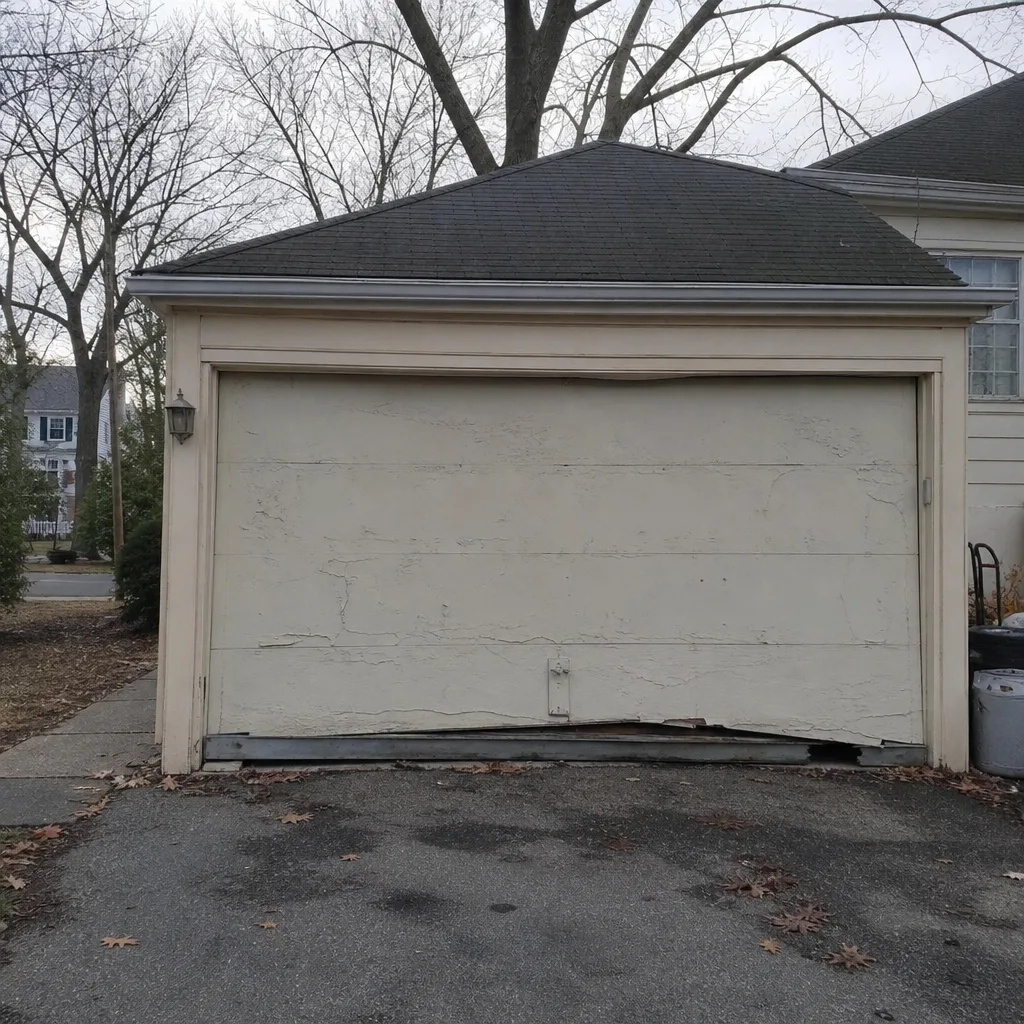 Before
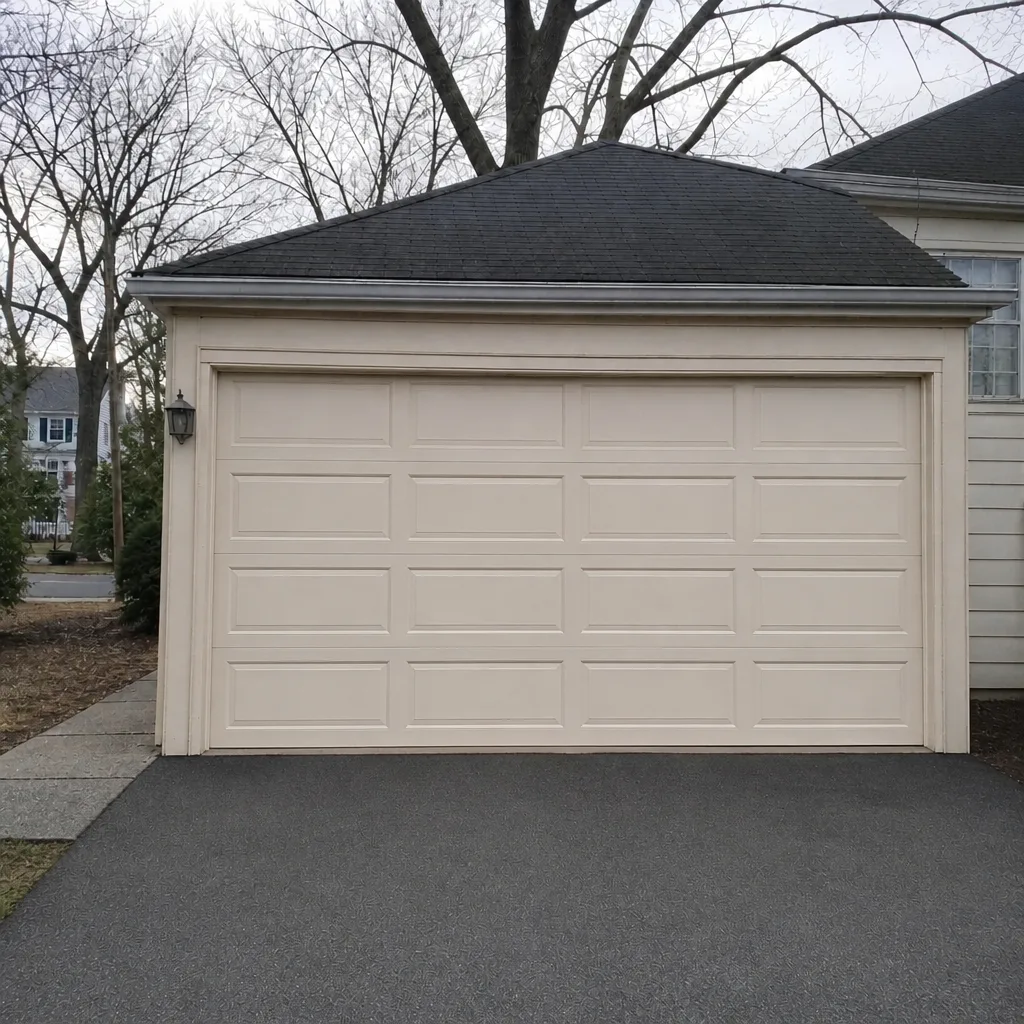 After
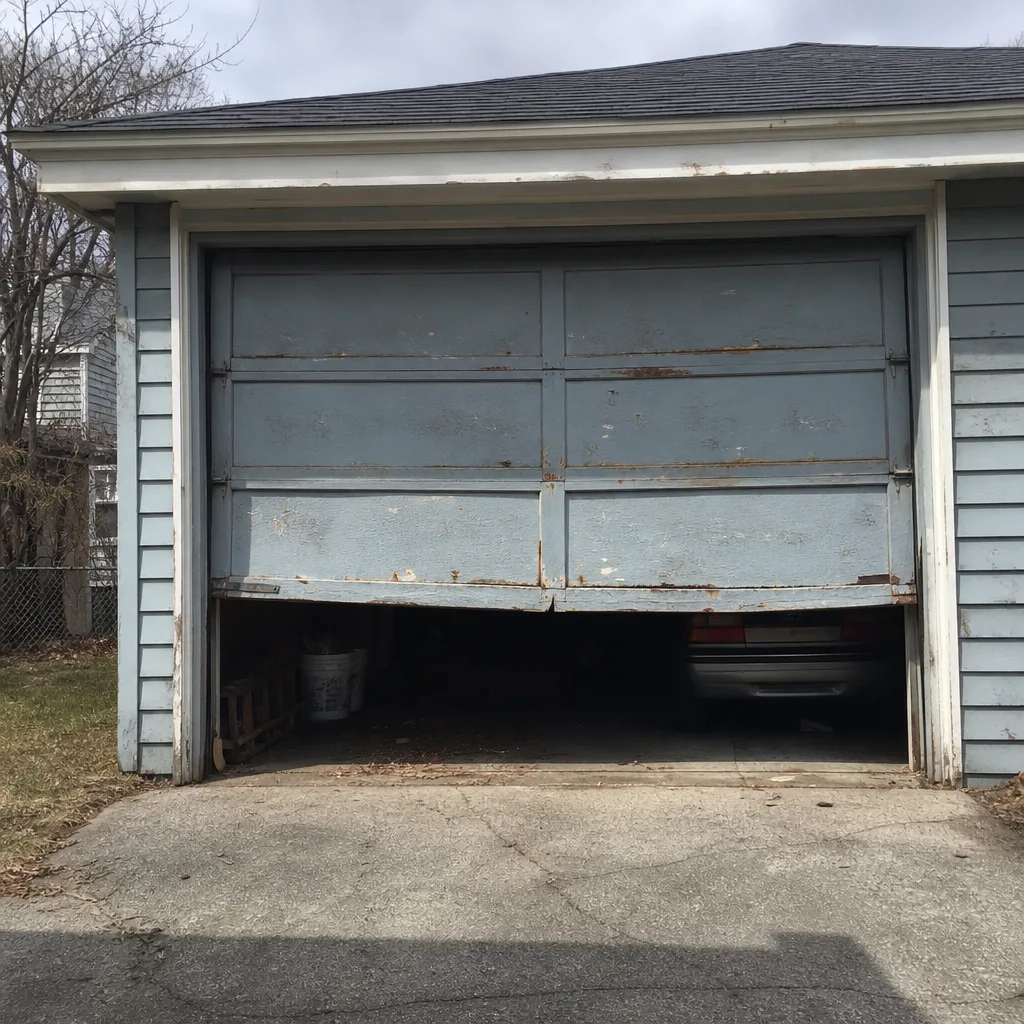 Before
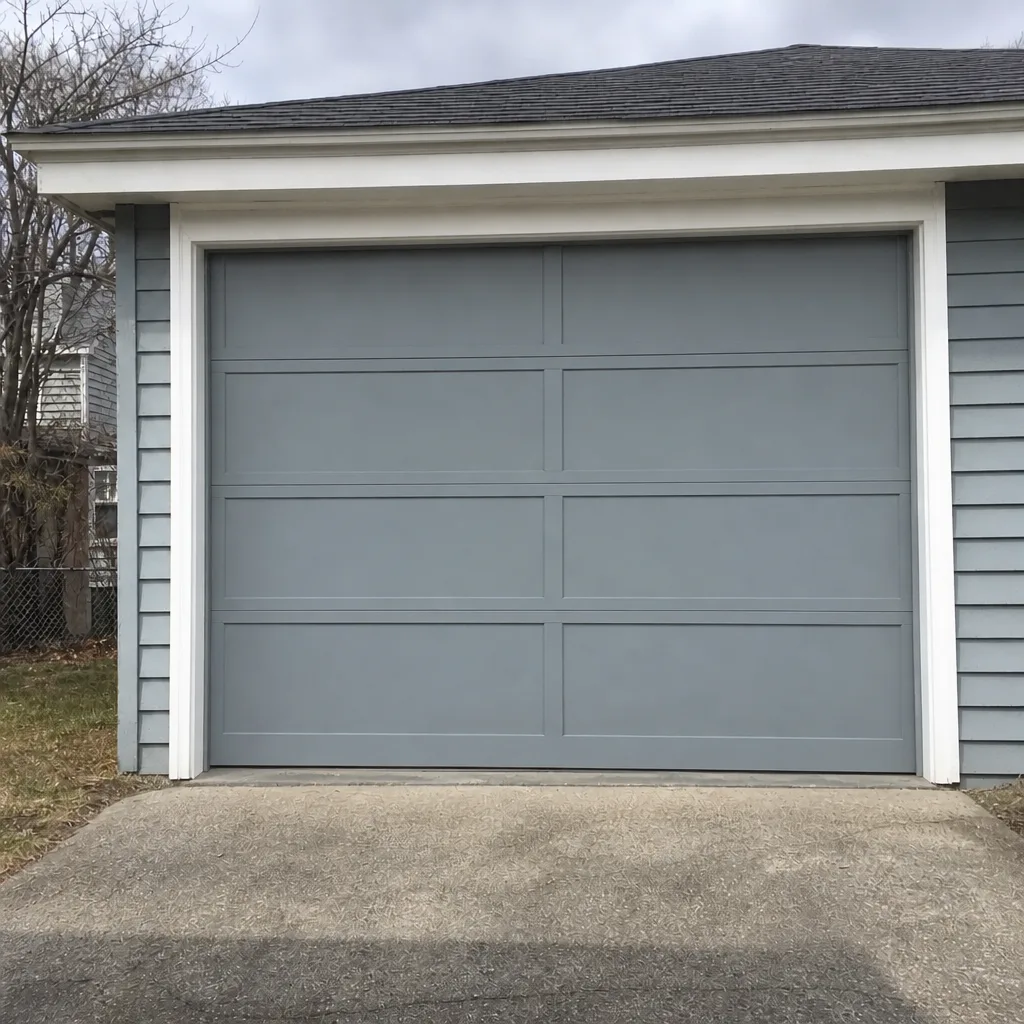 After
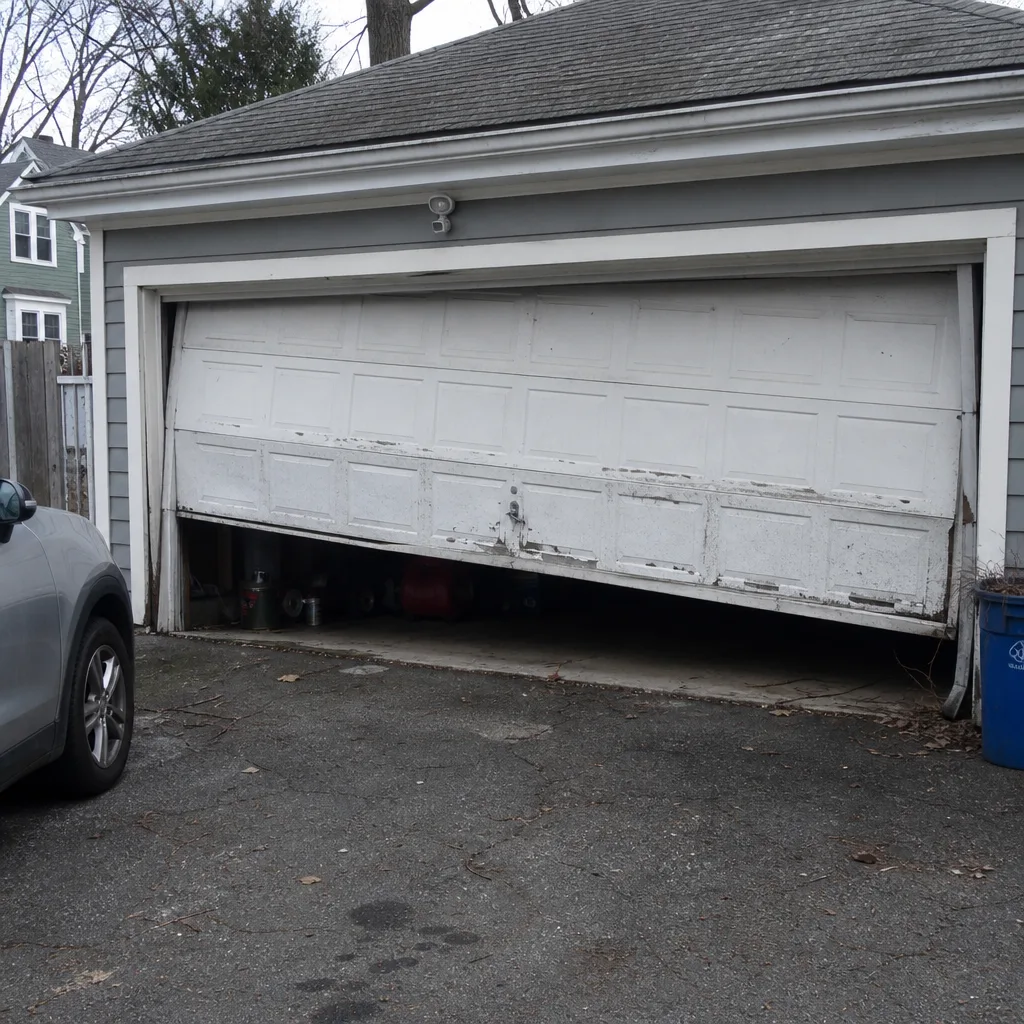 Before
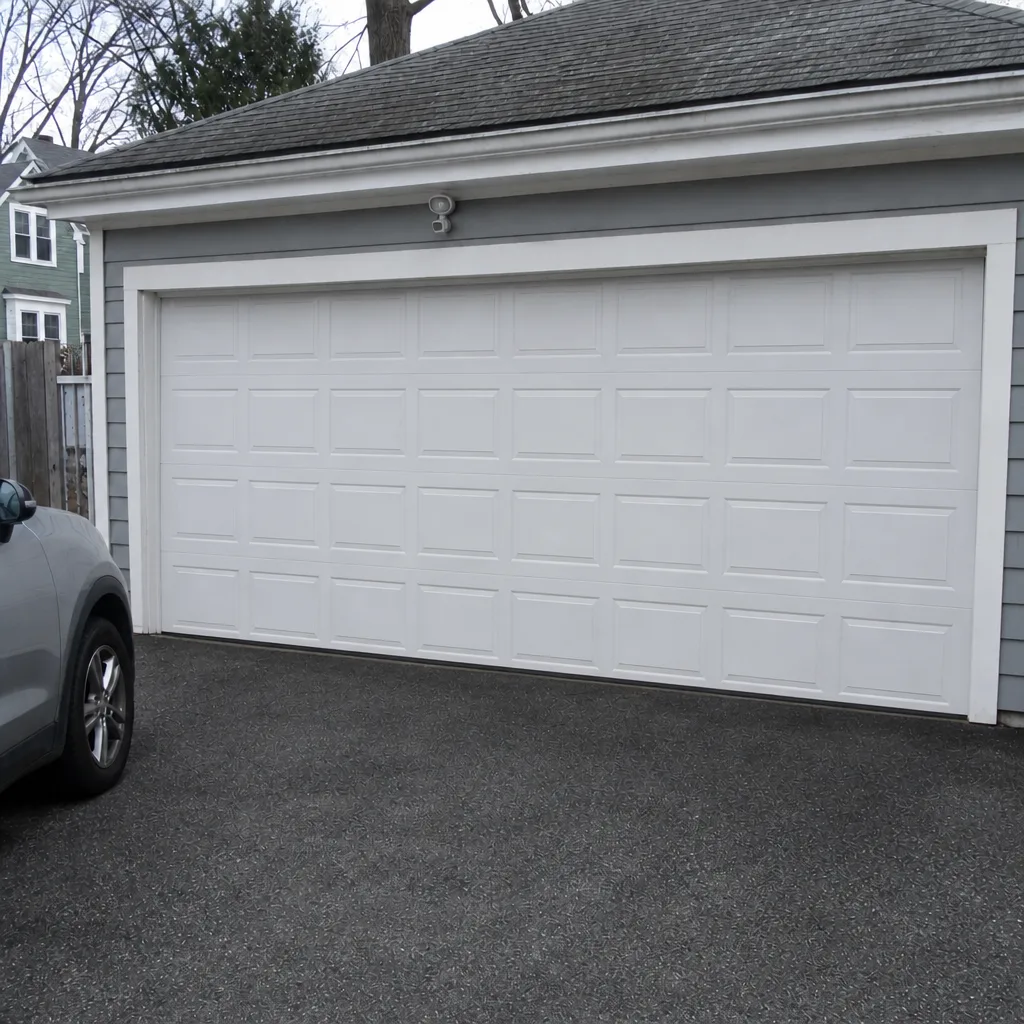 After