
Last updated November 21, 2026
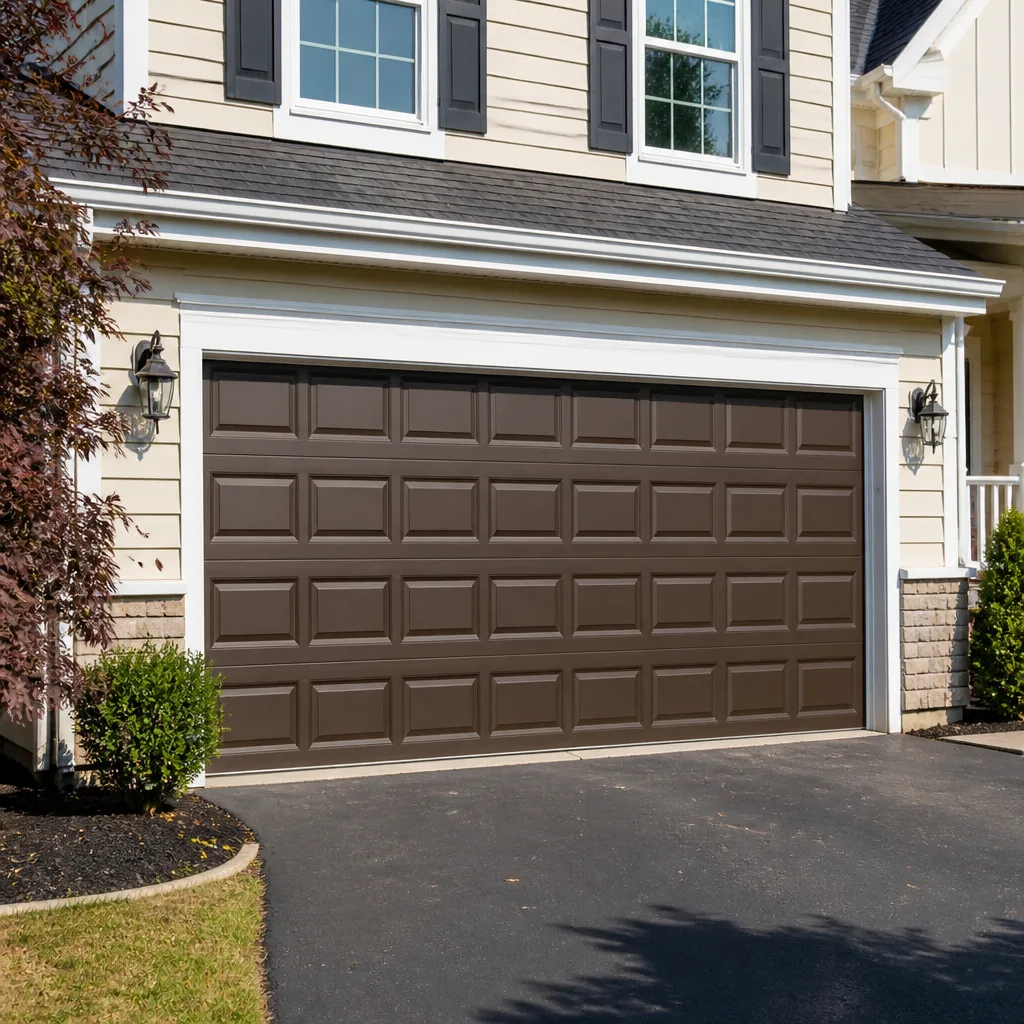 Raised-panel steel
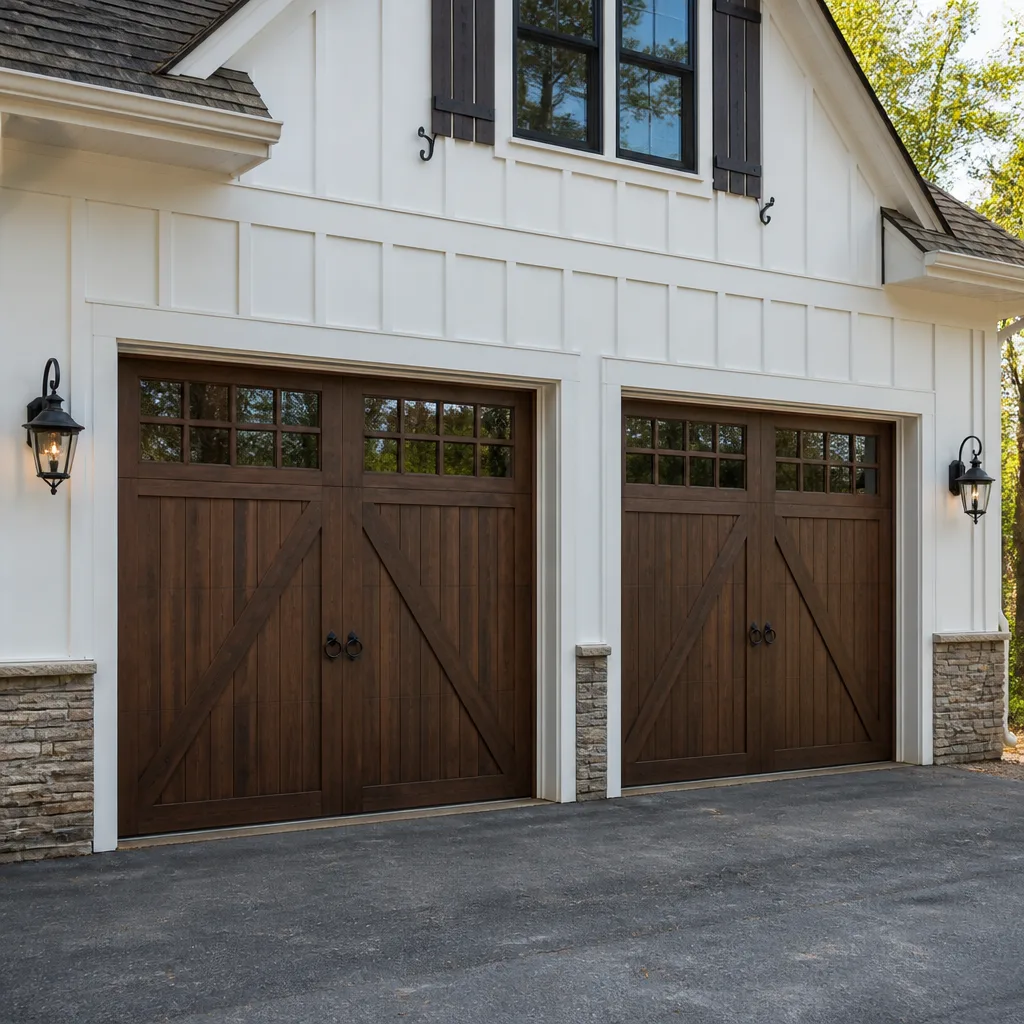 Carriage house
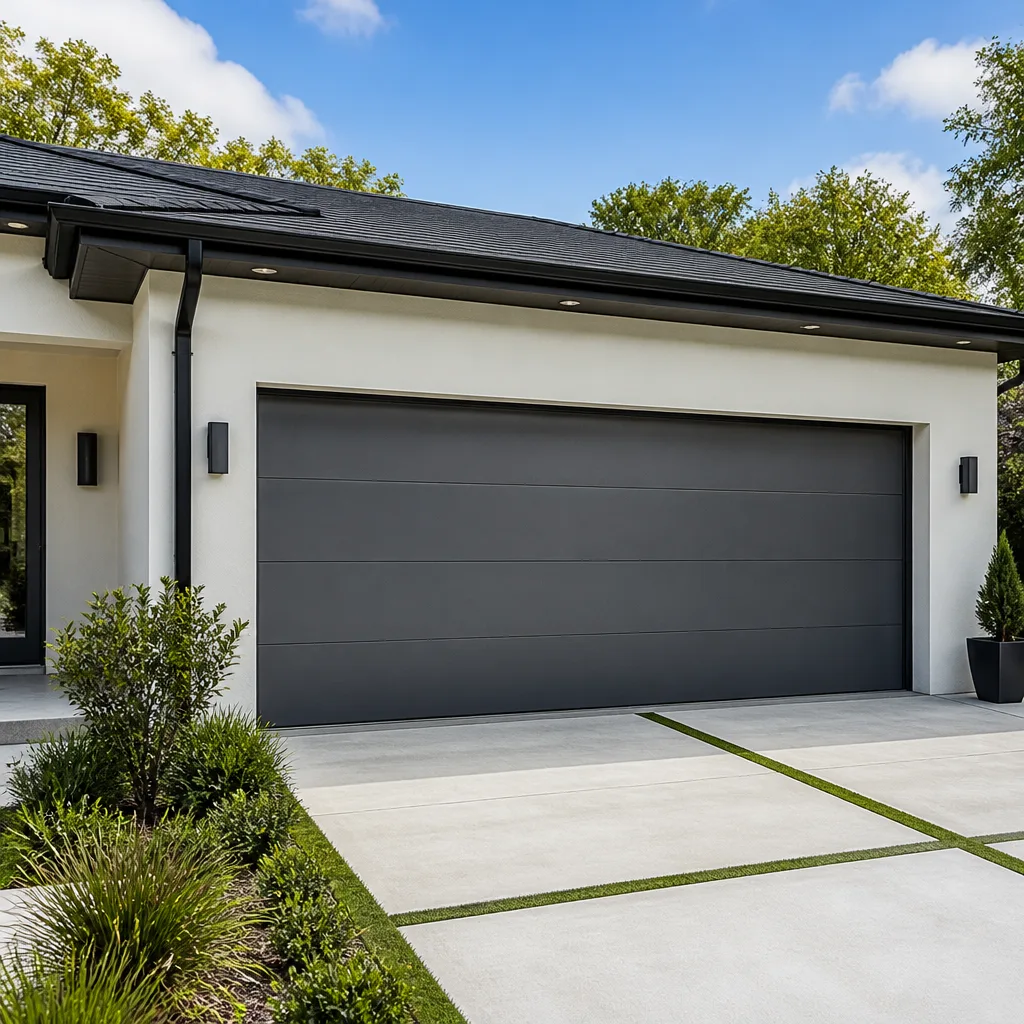 Modern flush
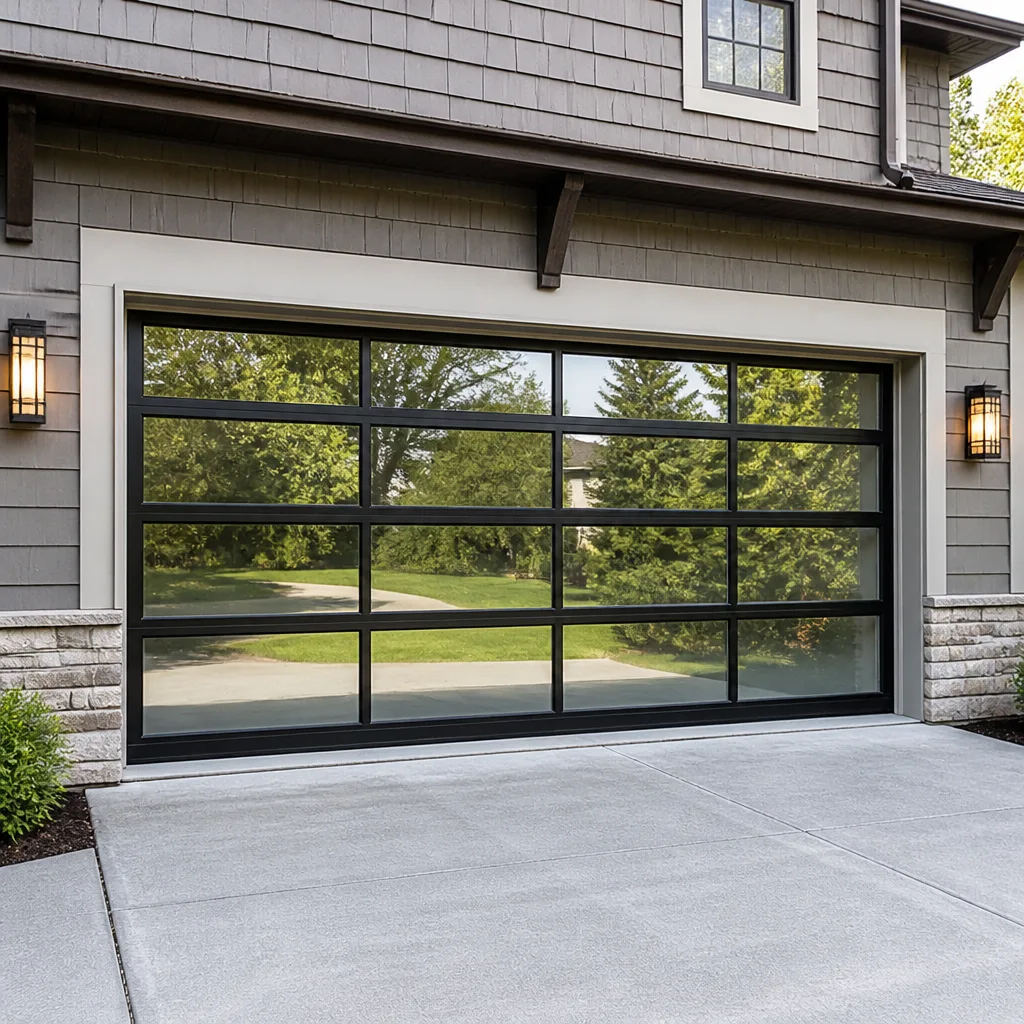 Full-view glass
 LiftMaster openers
 Chamberlain openers
Full 25-point door and opener safety check with every visit - springs, cables, rollers, tracks, and your LiftMaster or Chamberlain opener included
You get a price before we start. It does not change when the pro arrives.
Get your free estimateGarage Door Cost Breakdown: The Cambridge Homeowner’s Reference for 2026
The national average for garage door replacement that gets cited all over the web is around $1,200. In Cambridge, that figure is close to useless. Labor rates here run 35 to 45 percent above the national benchmark, and the housing stock around Porter Square and Cambridgeport routinely forces adjustments – a non-standard headroom conversion alone can add $400 to $600 before a single panel is touched. What follows is a line-by-line look at what the five most common Cambridge garage door jobs actually cost in 2026, how to read a quote for padding, and where a cheaper schedule is genuinely smarter than an emergency call.
Quick Answer
In Cambridge in 2026, torsion spring replacement typically runs $220 to $420 for one spring, with most homeowners replacing a matched pair together at roughly double that; full door replacement lands between $1,900 and $4,800 installed depending on brand tier and opening type; opener replacement runs $425 to $1,150 installed; single panel replacement sits at $285 to $650; and cable repair runs $175 to $340. Every figure below is an estimate – the written quote you receive before any work begins is the price you pay.
Styles & brands we work with
- Raised-panel steel
- Carriage house
- Modern flush
- Full-view glass
- LiftMaster openers
- Chamberlain openers
Table of Contents
- Why National Averages Miss Cambridge Entirely
- The Five Most Common Jobs, Priced Line by Line
- Hidden Cost Drivers Unique to Cambridge Installs
- Brand-Tier Pricing: Clopay Gold vs. Platinum vs. Canyon Ridge
- How to Tell If a Quote Is Padded
- What Drives Emergency Pricing – and When to Wait
- A Step-by-Step Audit of Any Quote You Receive
- What Maintenance Costs and What It Saves
Why National Averages Miss Cambridge Entirely
Cambridge sits inside a labor market where skilled trades charge meaningfully more than the national midpoint, and that gap shows up directly in a garage door invoice. A job that prices out at a national rate online is priced here with a higher hourly component, higher material delivery costs, and tighter scheduling windows because of street parking and narrow lots. A door replacement in a tight Somerville-adjacent driveway that requires carrying panels a block and a half is not the same job as one where the panels come off a trailer into a two-car garage. That difference shows up in labor, and labor is the biggest variable on any Cambridge quote.
The second reason national averages miss: Cambridge housing stock is old and inconsistent. Doors installed decades ago often sit in openings that don’t match today’s standard dimensions. Low-headroom situations are common in converted carriage houses and in the older stock near Inman Square. When a door’s torsion assembly has to be repositioned to low-headroom configuration, or the tracks have to be re-hung to match an opening that was framed before standard sizes existed, the job gets longer and the parts list gets bigger. Seasonal conditions in Cambridge amplify wear: the freeze-thaw cycling through winter and the humidity of a New England summer work on springs, cables, and wood door surfaces in ways a mild climate doesn’t. None of that is captured by a national average.
When we quote a job, we’re looking at the actual opening, the actual headroom, the actual door weight, and the actual access. That’s why we don’t publish one flat number for a Cambridge door – because we’ve seen too many quotes built on an average that quietly undercounts the work.
The Five Most Common Jobs, Priced Line by Line
These are the jobs we’re called to in Cambridge most often. The ranges reflect 2026 labor rates and standard parts for each category. Read each as an estimate for a typical job – the written quote sets the final price, and it’s always agreed before any work starts.
1. Torsion Spring Replacement
Springs are the highest-risk component of any garage door, and they’re also the part most often mishandled. A torsion spring is under substantial tension; a spring that fails under load can cause serious injury, and replacing one requires winding bars and a working knowledge of how to manage stored energy safely. This is not a job we’d recommend a homeowner attempt.
- One torsion spring, typical: $220 to $420
- Matched pair, typical: $440 to $840
- Extended-life or high-cycle spring, single: add $80 to $180
Most homeowners we talk to replace both springs at once, even if only one has failed. The two springs in a pair have done the same work for the same number of cycles, so if one has broken, the other is on the same wear timeline. Replacing one and calling it a day usually means a second visit within a year. If you want a closer look at how we approach that decision, our garage door spring repair page goes deeper.
2. Full Door Replacement
Door replacement is the biggest line item on this list, and it breaks down by opening type. A standard 16-by-7 opening in a newer build is a much simpler job than a non-standard opening in an older Cambridge property.
- Standard single door installed: $1,900 to $3,200
- Standard double door installed: $2,600 to $4,800
- Non-standard opening (custom order or reframe): add $400 to $1,100
- Old door disposal: $75 to $185
The upper end of each range reflects premium door brands and upgraded insulation, glazing, or window options. Installation is a scheduled job – it’s not same-day work, because the door has to be measured, ordered from the manufacturer, and delivered before a single technician shows up. The free measure and written price come first.
3. Opener Replacement
Wall-mount and ceiling-mount openers price differently depending on whether the existing wiring and mounting setup can be reused. Wall-mount openers are common on homes with low headroom because they free up ceiling space entirely.
- Chain-drive ceiling-mount, installed: $425 to $680
- Belt-drive ceiling-mount, installed: $495 to $780
- Wall-mount, installed: $575 to $950
- Smart-home-capable opener, installed: $650 to $1,150
- New electrical circuit, if required: $250 to $450 (permit and rough-in separate)
If the existing opener is a LiftMaster, Chamberlain, Genie, or Craftsman, a replacement is usually straightforward – the mounting and wiring are already where they need to be. Switching brands entirely (say, from a chain-drive Wayne Dalton to a wall-mount opener) may require re-routing low-voltage wiring and, in some cases, a new outlet. Our garage door opener repair page covers the repair-vs-replace question in more detail.
4. Panel Replacement
Single panel replacement is cheaper than a full door but trickier than it looks, because panels have to match the original door’s manufacturer, model, and profile. A common mistake is ordering a “close enough” panel from a different brand – it rarely fits the stamp pattern and it never matches the color exactly.
- Standard steel panel, installed: $285 to $475
- Insulated panel, installed: $340 to $650
- Custom color or marked-up panel match: add $75 to $200
If you have a Clopay, Amarr, or Raynor door, matching panels are usually available through the manufacturer. If the door was installed by a brand that’s no longer manufactured in the same profile, we’ll tell you that upfront rather than order a panel that doesn’t fit.
5. Cable Repair
Cables are a second high-risk component: they carry the door’s weight alongside the springs, and a cable under load can snap. A cable that has gone slack, frayed, or come off its drum needs to be addressed before the door is operated again, and this is a job for a trained technician, not a homeowner with a pair of pliers.
- Single cable, installed: $175 to $340
- Both cables, installed: $310 to $525
- Cable plus spring, combined: $520 to $890 (springs priced separately if only one spring)
If a cable has failed, run the door by hand only if you can do so safely without injury, and don’t force anything. Call a specialist. Our garage door repair page covers what our typical cable repair visit involves.
Hidden Cost Drivers Unique to Cambridge Installs
These are the line items that separate a Cambridge quote from a quote built on a national average. None of them are surprises to a Cambridge specialist. All of them are surprises to a homeowner reading a website.
Non-Standard Headroom Conversion
Low-headroom situations show up in a lot of Cambridge properties, particularly converted carriage houses, garages attached to older homes, and basement-level parking. When a door’s torsion assembly has to be repositioned to low-headroom configuration, or the door has to move from extension springs to a low-headroom torsion setup, the labor adds up. Expect $400 to $600 in additional work on top of a standard installation. On a non-standard opening, the door itself may also have to be custom-ordered, which adds another $400 to $1,100.
Electrical Permit and Rough-In
Adding a new opener circuit where none exists is not a garage-door job alone – it’s an electrical job, and most cities require a permit for new electrical work. The rough-in and permit together usually run $250 to $450 in Cambridge, and it’s not a line item our trade covers directly. If your new opener needs a dedicated circuit, ask your city’s building department about the permit requirements and plan for a licensed electrician to do that rough-in. Budget for it before the door is measured, not after.
Old Door Disposal
Cambridge has strict bulk waste rules, and old door panels are not something you can leave on the curb and expect to disappear. Disposal of a full door set typically runs $75 to $185, and that figure reflects the sorting, loading, and hauling cost in a city where pickup windows are narrow. If a quote doesn’t include a disposal line item, ask where the old panels are going to end up.
Access, Parking, and Staging
This is the cost driver almost nobody prices in online. A door replacement requires the new door to be delivered and staged near the opening; if that means carrying panels a block from a truck, the labor goes up. It’s not unusual in Cambridge for a job to require a parking spot to be reserved or a delivery to be timed around street cleaning. That work is real, and it belongs in the quote, not on a surprise invoice.
Brand-Tier Pricing: Clopay Gold vs. Platinum vs. Canyon Ridge
The door brand you choose is the biggest single determinant of your installed price. The three Clopay lines below are the ones we see most often on Cambridge homes, and the pricing tiers reflect actual installed costs including the door, hardware, and labor.
- Clopay Gold (base steel, non-insulated or lightly insulated): $1,900 to $2,600 installed for a standard single door
- Clopay Platinum (heavier-gauge steel, better insulation, better hardware): $2,500 to $3,600 installed for a standard single door
- Clopay Canyon Ridge (wood-look composite or carriage-house style): $3,400 to $4,800+ installed for a standard single door
What you’re buying at each tier is real, but it’s also misunderstood. The Gold line is a serviceable door – it opens, it closes, it lasts a solid number of years. What you don’t get is insulation value, quieter operation, or a finish that stands up to repeated weather cycles. In Cambridge, where freeze-thaw cycles through winter work on the finish and the hinges, the Gold tier shows wear faster than it would in a milder climate.
Platinum gets you meaningful insulation, a heavier-gauge panel that resists denting, and quieter operation. On an attached garage where the door faces a living space, that insulation value is doing actual work – it separates a cold garage from the rest of the house. On a detached garage, the insulation is doing less for you, and the extra cost is mostly about durability and appearance.
Canyon Ridge is a design-driven door. The performance gain over Platinum is incremental on the insulation side; what you’re paying for is appearance and the cachet of a wood-look finish that doesn’t need the maintenance real wood does. If the door is on a street-facing facade in a Cambridge neighborhood where curb presentation matters, that’s a legitimate reason to spend. If it’s on a back alley garage, the upgrade is harder to justify on performance alone.
A note on matching brands: if your existing door is an Amarr, Wayne Dalton, or Raynor, moving to Clopay means re-hanging and possibly re-tracking. It’s usually fine, but it’s part of the quote. We work on all of the leading brands, so a brand switch isn’t a reason to change specialists.
How to Tell If a Quote Is Padded
A legitimate specialist prices hardware within a reasonable markup over wholesale, and is transparent about labor. A padded quote inflates hardware markups to preserve margin while looking competitive on the headline number. Here’s how to spot it.
- A spring priced at $900 or more as a single line item is a red flag. A standard torsion spring installed in Cambridge should sit in the $220 to $420 range for single, and a matched pair for roughly double that. A $900 spring line item is a 300 percent-plus markup dressed up as a premium part.
- A rolling “shop supplies” or “hardware kit” charge that adds $150 to $300 without an itemized list is padding. Legitimate hardware (cables, rollers, hinges, bearings) should be itemized, and if it’s included in the labor line, that should be stated.
- A quote that prices the door at full retail plus installation, with no acknowledgment that the door was ordered at trade cost, is a markup the specialist is choosing not to disclose. Ask for the door and hardware line items separately from the labor line.
- An “emergency retrieval” or “priority dispatch” line item on a scheduled job is padding. Emergency pricing applies to genuine emergencies; a job you booked for Thursday at 2pm is not one.
- Any quote that won’t be given in writing before the work starts is not a quote. It’s a conversation. Walk away from it.
What a clean quote looks like: door or parts at a visible cost, labor at a stated hourly rate or flat fee, any permits and disposal called out separately, and a written total. If a Cambridge quote doesn’t have all four, it’s not finished.
What Drives Emergency Pricing – and When to Wait
Emergency garage door service exists because some situations can’t wait for a next-day appointment. A car trapped behind a door that won’t open, a home left unsecured because the door won’t close, a business that can’t operate because vehicles are stuck – those are genuine emergencies, and emergency dispatch is a real offering, not a sales tactic.
What a homeowner should know: the price is set per job by the written estimate, and the estimate should be agreed before any work starts. There’s no separate “after-hours surcharge” schedule we publish because it isn’t a flat surcharge – it’s a job-specific quote that reflects the actual work at the actual time. What we can say with confidence: a next-morning appointment on the same job is usually a lower cost than an emergency call, because the schedule is easier and the parts sourcing is standard. If a door is stuck but the home is secure and no car is trapped, waiting for the next opening is often the cheaper and safer call.
What’s genuinely an emergency: a door that has come off its tracks and is hanging, a spring that has failed and left the door inoperable, a door that won’t close and leaves the home open, a business door that’s blocking operations. In those cases, call (866) 254-2156. We answer 24/7. Fast dispatch from 7am to 7pm, Sunday through Friday. A call outside dispatch hours is booked into the next opening, Sunday through Friday, 7am to 7pm. For non-emergency repair, our garage door repair team schedules you into the next convenient slot.
A Step-by-Step Audit of Any Quote You Receive
Before you sign anything, walk through these steps. Each one takes under a minute, and together they’ll tell you whether the quote in front of you is solid or padded.
- Confirm the quote is in writing. No exceptions. A verbal quote that “will be confirmed later” is not a quote.
- Check that the parts are itemized. A spring line item should tell you single vs. pair, and cycle rating if applicable. A door line item should tell you brand, model, and size.
- Look for a labor line that’s separate from parts. If parts and labor are bundled into one flat “installed” price with no breakdown, ask for the split. It’s fair to want to see both numbers.
- Ask where permits and disposal sit. Disposal of an old door should be a named line item. Permit costs for electrical work should be either included or explicitly excluded – never a gray area.
- Verify the total against the Cambridge ranges above. A spring quote at $1,200 or a door quote at $8,000 for a standard single isn’t necessarily padded, but it needs to have specific reasons behind it. Ask what’s driving the number above the range.
- Confirm the price is final before any work starts. The written estimate is the price you pay. Ask directly: “Is this the total I’ll see on the invoice?” If the answer isn’t a clean yes, get it in writing.
- Ask what happens if the job uncovers more. A door that looks standard until it’s opened often reveals a seized bearing or a worn drum. A clean quote says upfront how change orders are handled, and in what order costs are agreed.
What Maintenance Costs and What It Saves
A routine service visit in Cambridge typically runs $95 to $185 and covers lubrication, balance checking, track and hinge inspection, and tightening of mounting hardware. That’s not a promotion or a maintenance plan – it’s a per-job visit, priced by estimate, and it’s optional. What it saves is harder to price, but it’s real: a spring that’s caught in early fatigue before it breaks is a much smaller job than a spring that fails and takes a cable with it. A door that’s been checked for balance runs on its opener less and puts less wear on the motor. If you’re getting an annual visit done and the technician finds something, you’ll hear about it before it becomes an emergency. If you’d rather not, that’s fine too – the door will still work, until it doesn’t.
Common Mistakes to Avoid
- Accepting a phone quote as final. A number given over the phone without seeing the door, the headroom, or the opening is a guess, not a quote. In Cambridge, where non-standard openings are common, that guess can be off by $500 or more.
- Assuming a national average is the number. The $1,200 figure that shows up in every national guide undercounts Cambridge labor by 35 to 45 percent, and it doesn’t include disposal, permits, or non-standard opening work. Use the local ranges in this guide.
- Replacing one spring when both are worn. A matched pair has done the same work for the same number of cycles. Replacing one and leaving the other usually means a second service call within a year, at full labor cost.
- Choosing a brand match without checking the track. Switching from a Wayne Dalton or Amarr door to a Clopay door is fine, but the tracks and hinges may need to be re-hung. If the quote doesn’t mention re-hanging, ask about it.
- Skipping the disposal line. Old door panels don’t vanish. In Cambridge’s bulk waste environment, disposal costs $75 to $185, and any quote that doesn’t name it is leaving a surprise for the invoice.
- Treating an emergency call as the default. If the home is secure and no car is trapped, a next-opening appointment on the same job is often cheaper. Emergency service is for genuine emergencies.
- Accepting a bundled price with no parts-labor split. You don’t have to accept it, and a legitimate specialist won’t be offended by the ask. A quote that resists itemization has something to hide in the markup.
See the difference
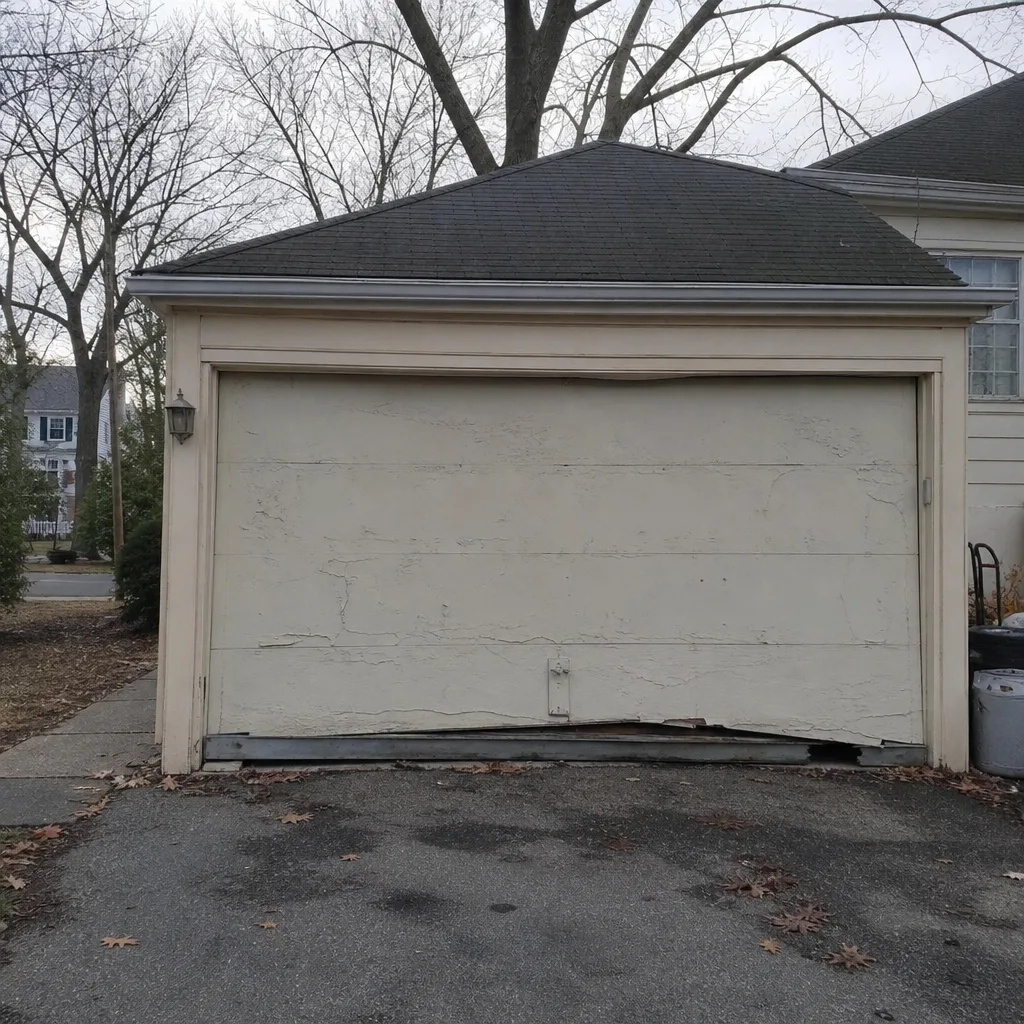 Before
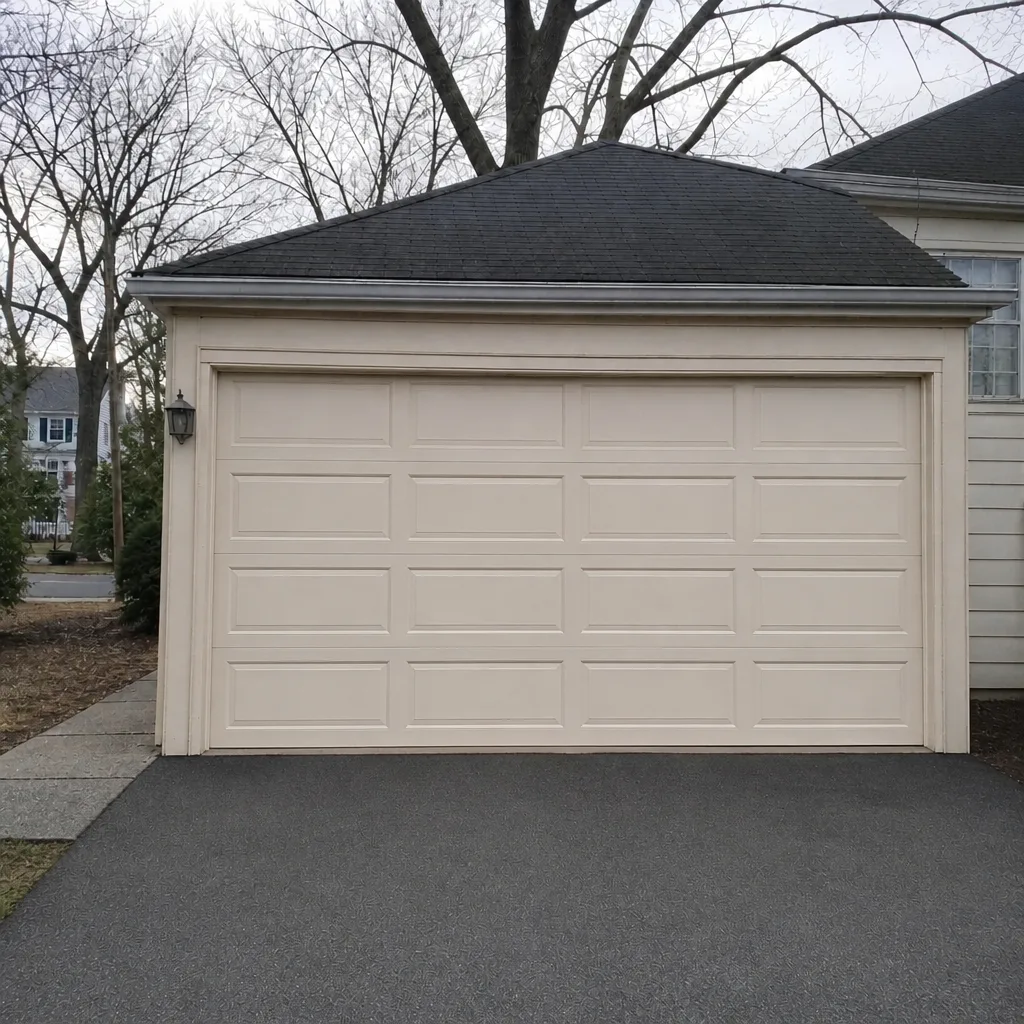 After
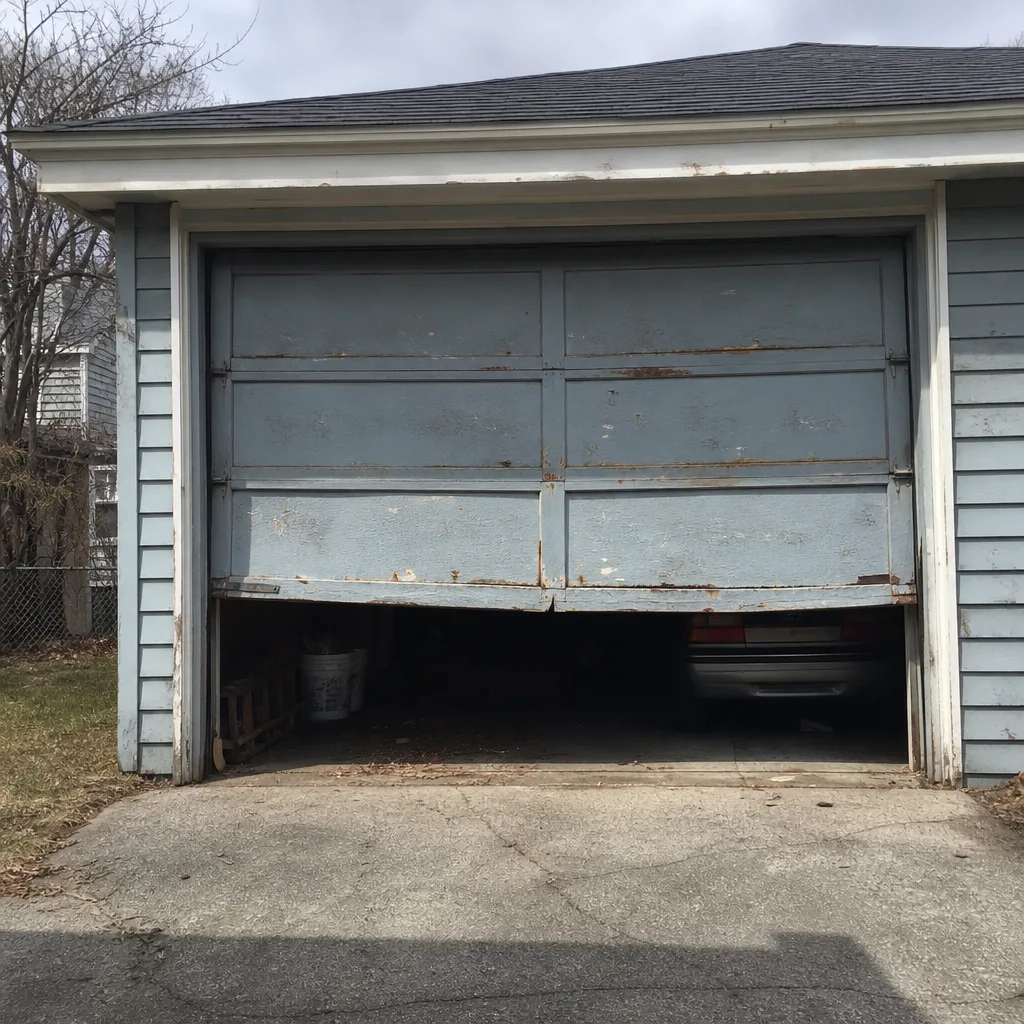 Before
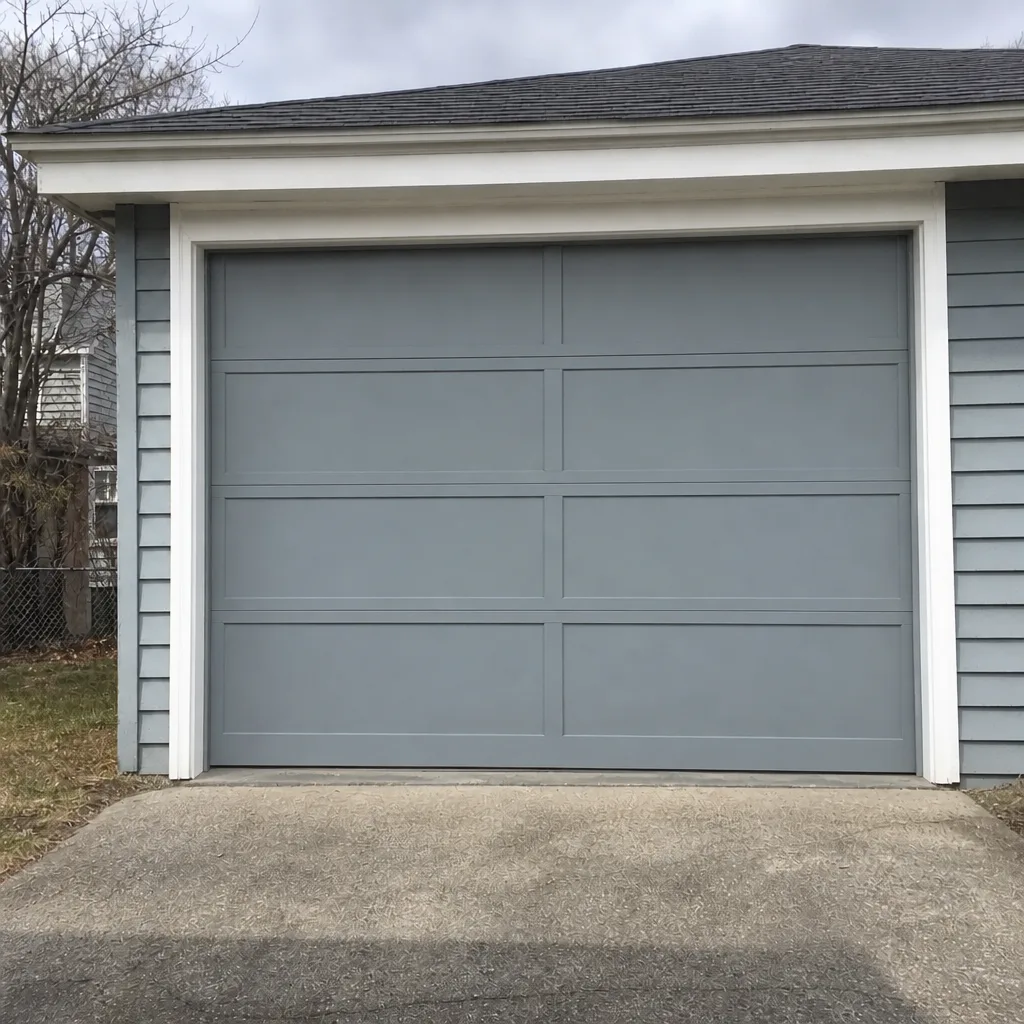 After
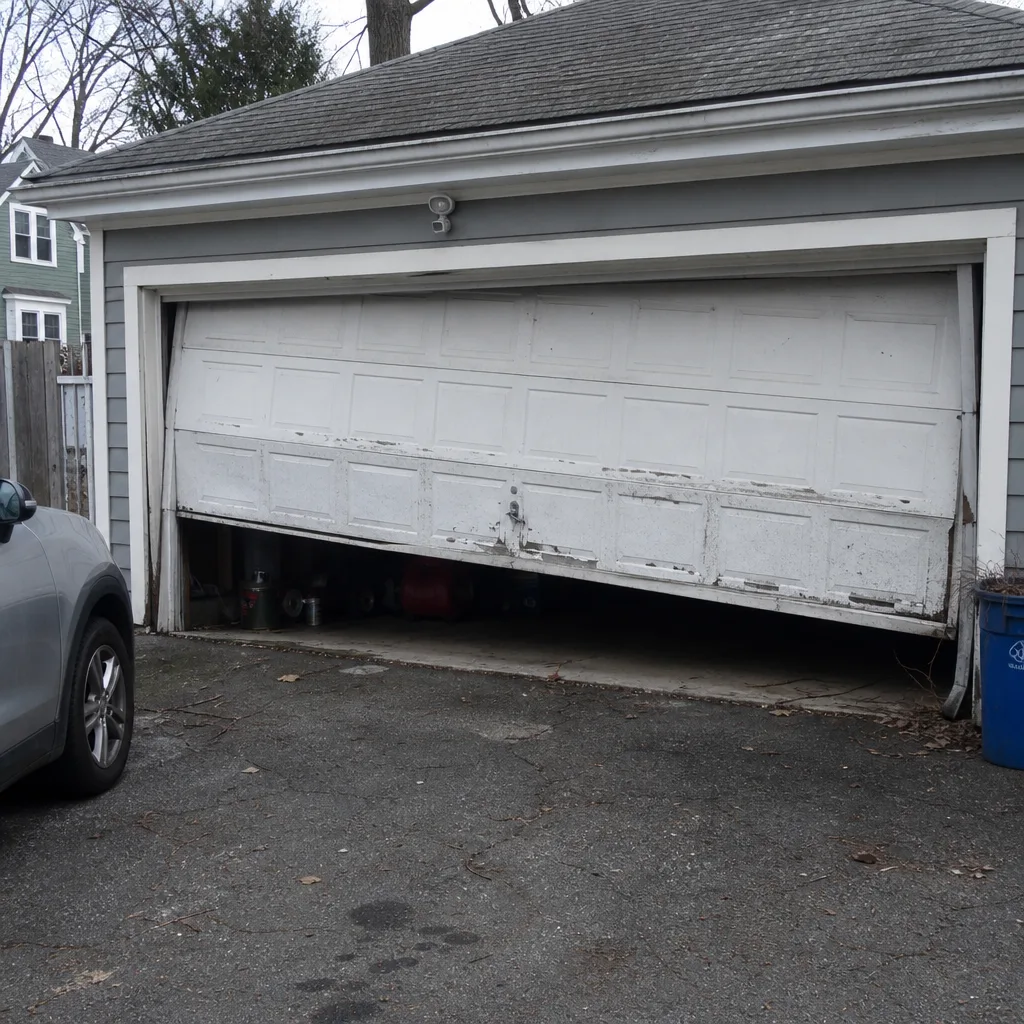 Before
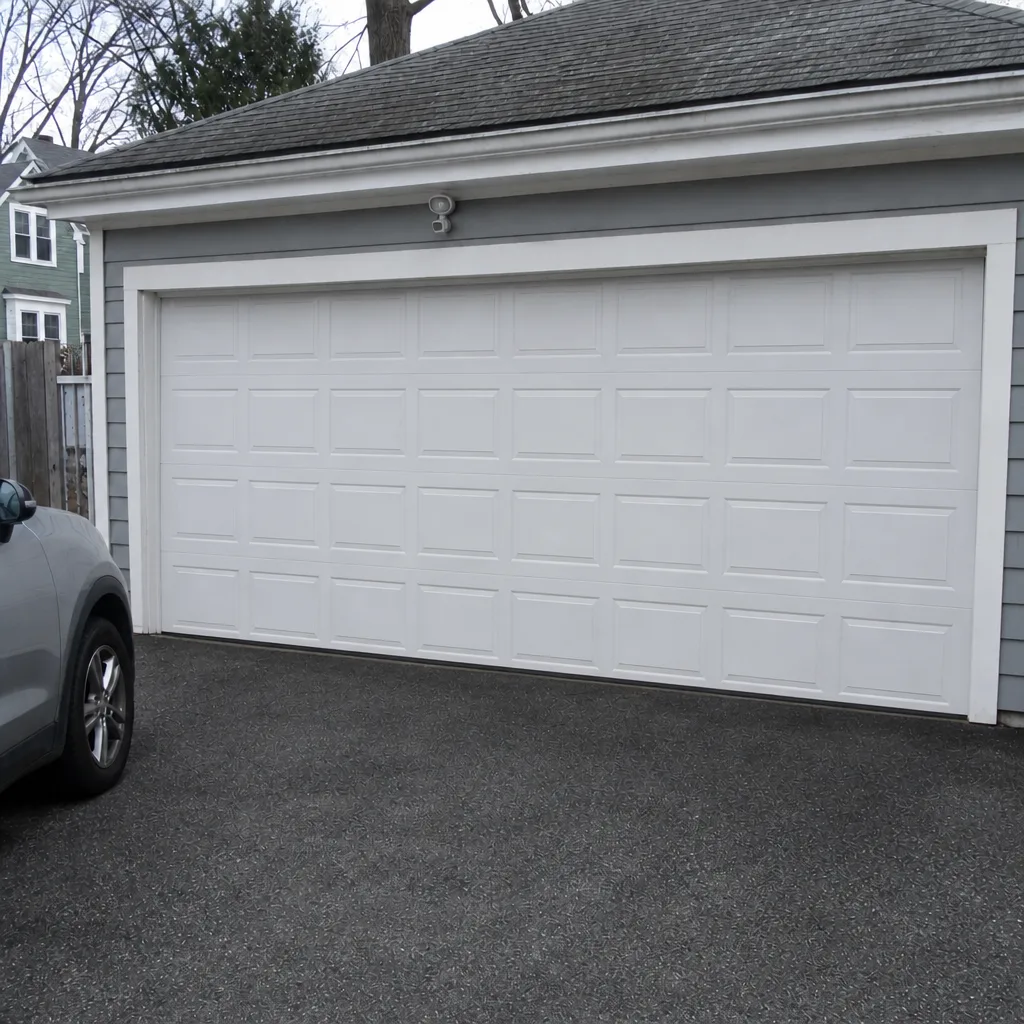 After
When to Call a Professional
Some garage door problems are genuinely unsafe to touch: torsion springs under tension, cables that have come off their drums, doors that have left their tracks, and openers that are pulling a door that’s no longer balanced. Those aren’t repairs to experiment with, and the risk of injury is real. Call a specialist. Other work – a door that’s become noisy, an opener that’s stopped responding, a panel that’s been dented by a misjudged backup – is worth a professional look before a small issue becomes a big one. Cambridge Garage Door Repair Pros offers free estimates in Cambridge – call (866) 254-2156. We answer 24/7. Fast dispatch from 7am to 7pm, Sunday through Friday.
Frequently Asked Questions
Most common garage door repairs in Cambridge in 2026 run between $175 and $650 depending on the part: cable repair sits at $175 to $340, single panel replacement runs $285 to $650, and torsion spring replacement runs $220 to $420 for one spring or roughly double for a matched pair. The written estimate agreed before work starts sets the final price. Call (866) 254-2156 for an exact quote – estimates are free.
Yes, for genuine emergencies. If a car is trapped, the home is left unsecured, or a business can’t operate, call (866) 254-2156 – same-day emergency repair is a core offering, not an upsell. We answer 24/7, and fast dispatch runs 7am to 7pm, Sunday through Friday, with a call outside dispatch hours booked into the next opening. For non-emergency jobs, we’ll schedule you into the next convenient slot.
No – the written estimate you agree to before work begins is the price you pay. If the technician finds something that genuinely wasn’t visible before the job started, the additional work is priced and agreed with you in advance, and you decide whether to proceed. Nothing gets added to the invoice after the fact without your approval. Call (866) 254-2156 for a free estimate.
The local professionals we connect you with are licensed and insured as their state requires. Our technicians have up to 11 years of experience across the major garage door and opener brands, and every job is scoped and estimated in writing before any work starts. Call (866) 254-2156 with any questions about credentials before booking.
We service equipment from LiftMaster, Chamberlain, Genie, Clopay, Amarr, Wayne Dalton, Craftsman, and Raynor – the brands on the vast majority of doors and openers in Cambridge and the surrounding area. If you’re not sure of your brand, most doors and openers have a model plate that identifies the manufacturer. Call (866) 254-2156 and we’ll help you figure it out.
Usually, yes. Non-standard openings in Cambridge’s older housing stock commonly require either a custom-ordered door or a reframe, and that typically adds $400 to $1,100 over a standard opening. Low-headroom situations common in converted carriage houses and older attached garages can add another $400 to $600 in conversion labor. Both costs are quoted in writing before work begins. Call (866) 254-2156 for a free measure and written price.
The Bottom Line
The national garage door cost guides that show up first in a search aren’t wrong – they’re just not describing Cambridge. Labor rates here run well above the national midpoint, the housing stock forces custom work more often, and disposal and permit costs add real line items that most online quotes don’t mention. Use the ranges in this guide to sanity-check any quote you receive: one spring at $220 to $420, a matched pair at roughly double that, a standard single door installed at $1,900 to $3,200, and a non-standard opening adding $400 to $1,100 over the base. The written estimate sets the final price, and it should always be agreed before any work starts. If a quote doesn’t match those numbers without a specific reason, ask why.
If you’re ready for a real, itemized quote on your Cambridge door, call Cambridge Garage Door Repair Pros at (866) 254-2156 for a free estimate. We answer 24/7. Fast dispatch from 7am to 7pm, Sunday through Friday. Our technicians have up to 11 years of experience, and we specialize in garage doors – repair, opener repair, spring repair, and installation. Garage doors are all we do. For more detail on what each service involves, see our garage door repair page or start at Cambridge Garage Door Repair Pros.
Written by the team at Cambridge Garage Door Repair Pros.